
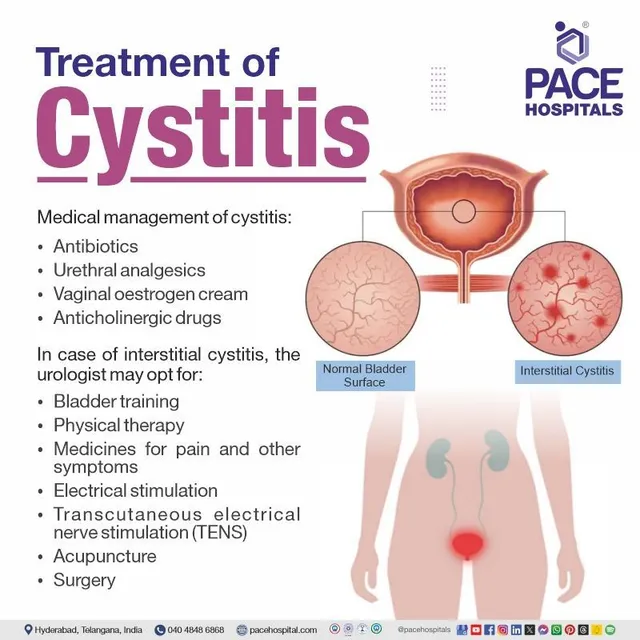
As the most common type of infection in the urinary tract, cystitis can cause discomfort and pain for millions of people worldwide. In this article, we will delve into the causes, symptoms, and treatment options for cystitis, as well as provide practical tips on how to prevent and alleviate its symptoms.
What is Cystitis?
Cystitis is an infection of the urinary tract that affects both men and women. It occurs when bacteria, such as Escherichia coli (E. coli), enter the bladder and cause inflammation, leading to symptoms like frequent urination, pain during urination, and blood in the urine.
Who is More Likely to Get Cystitis?
Women are more susceptible to cystitis than men due to their anatomical differences. The female urethra is shorter and more prone to bacterial colonization, making them more likely to contract an infection.
Symptoms of Cystitis
Identifying the symptoms of cystitis can be straightforward:
- Frequent urination
- Pain or burning sensation during urination (dysuria)
- Reduced sense of urgency or pain during urination
- Presence of blood in the urine
- Dark or strong-smelling urine
- Lower back pain or pressure
- Chills or fever
If you experience any of these symptoms, it’s essential to consult a healthcare professional for proper diagnosis and treatment.
Treatment Options
The standard treatment for cystitis involves antibiotics to eliminate the infection. In some cases, antifungal medications may be prescribed if a fungal infection is suspected. Lifestyle modifications can also help alleviate symptoms:
- Increase fluid intake: Drink at least eight glasses of water per day to prevent dehydration and promote urine production.
- Avoid spicy or acidic foods: Limit your consumption of pepper, citrus fruits, and other acidic foods that can irritate the bladder and urinary tract.
- Urinate frequently: Aim for regular urination (every 2-3 hours) to flush out bacteria from the urinary tract.
- Maintain good hygiene: Practice proper genital hygiene by washing yourself thoroughly after using the bathroom, avoiding tight-fitting pants, and changing your underwear regularly.
Natural Remedies
In addition to medical treatment, natural remedies can help alleviate cystitis symptoms:
- Cranberry juice: Cranberries contain compounds that may prevent bacteria from adhering to bladder walls.
- Probiotics: Beneficial bacteria in the gut can promote a healthy balance of flora and support immune function.
- Mirtillo rosso (Red Currant) Juice: Drinking mirtillo rosso juice, which is rich in antioxidants, can help regulate urine pH and reduce inflammation.
Prevention
To prevent cystitis, follow these guidelines:
- Practice good hygiene
- Wear loose-fitting clothing
- Avoid tight-fitting pants
- Change your underwear regularly
- Drink plenty of water
- Limit spicy or acidic foods
By understanding the causes and symptoms of cystitis, as well as implementing prevention strategies, you can reduce your risk of developing this common urinary tract infection.
Frequently Asked Questions (FAQs)
- What is the most common cause of cystitis?
- The most common cause of cystitis is bacterial infection, particularly Escherichia coli (E. coli).
- Can I get cystitis from drinking too much water?
- No, drinking excessive amounts of water will not cause cystitis.
- How long does it take for cystitis to clear up on its own?
- Symptoms of cystitis typically resolve within a few days without treatment.
- What are the natural remedies for cystitis?
- Cranberry juice, probiotics, and mirtillo rosso (red currant) juice may help alleviate symptoms and prevent future episodes.
- Can I get cystitis if I have a weakened immune system?
- Yes, people with compromised immune systems are more susceptible to urinary tract infections, including cystitis.
In addition to the treatment options mentioned earlier, there are other ways to manage symptoms of cystitis:
- Urinary catheters: In severe cases, a urinary catheter may be inserted to drain urine from the bladder and relieve pressure.
- Pain relief medication: Over-the-counter pain relievers such as ibuprofen or acetaminophen can help alleviate pain and discomfort during urination.
Complications of Cystitis
If left untreated, cystitis can lead to more serious complications:
- Kidney damage: Repeated infections can cause scarring and damage to the kidneys.
- Urinary tract blockage: A blockage in the urinary tract can occur if bacteria accumulate and cause inflammation.
- In rare cases, cystitis can spread to other parts of the body, such as the bloodstream or reproductive organs.
Conclusion
Cystitis is a common urinary tract infection that can cause discomfort and pain for millions of people worldwide. By understanding its causes, symptoms, and treatment options, you can effectively manage and treat this condition. With natural remedies, lifestyle modifications, and proper medical treatment, you can reduce your risk of developing cystitis and alleviate its symptoms.
What to Expect During Treatment
During treatment, you can expect the following:
- Antibiotic therapy: You will likely be prescribed antibiotics for a specific duration (usually 7-10 days) to eliminate the infection.
- Monitoring of symptoms: Your healthcare provider may monitor your symptoms regularly to ensure that the infection is clearing up.
- Follow-up appointments: Schedule follow-up appointments with your healthcare provider to check on your progress and adjust treatment as needed.
By understanding what to expect during treatment, you can better prepare yourself for the process and alleviate any concerns or anxiety you may have.


