
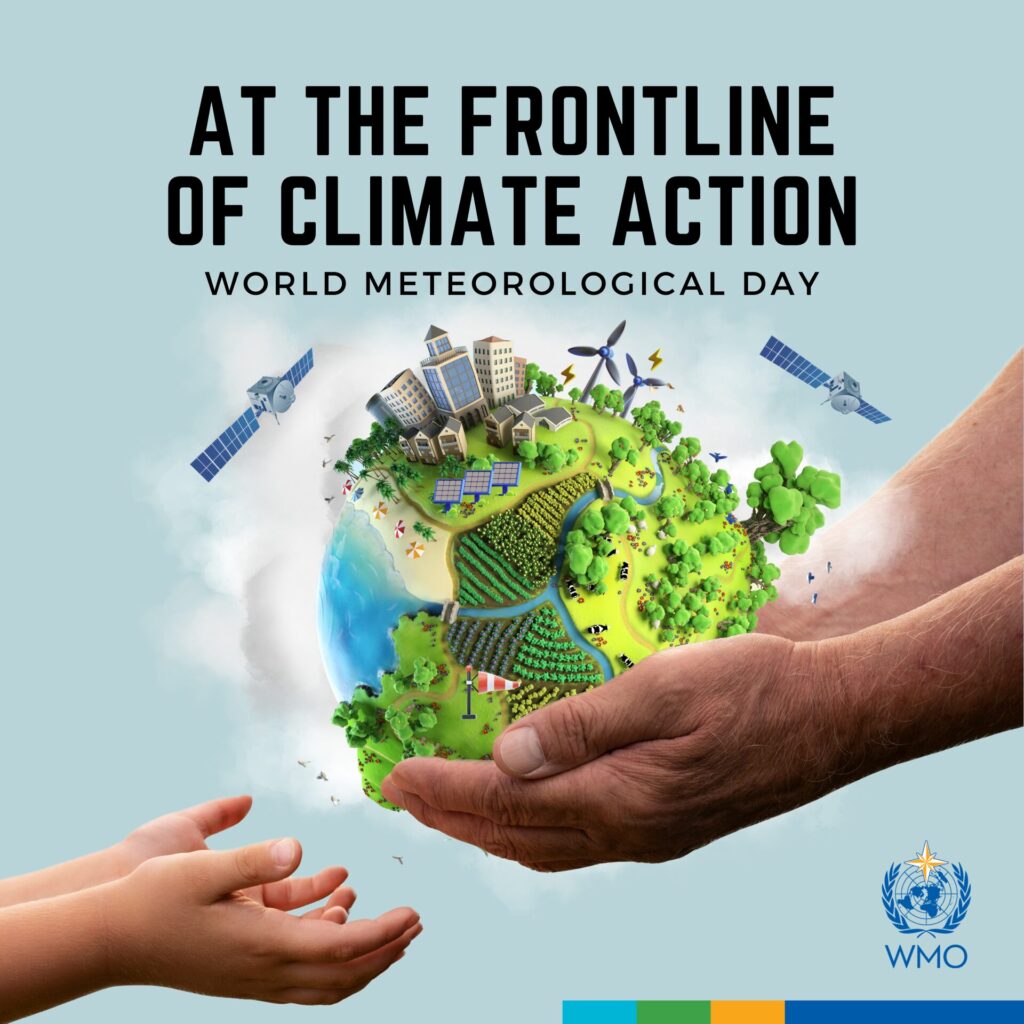
As we mark another year of World Meteorology Day on March 23rd, it’s hard not to wonder why this day is so crucial in our lives. With the increasing frequency of weather-related news and alerts, many people have become meteorology-obsessed, turning what was once a noble science into a form of guesswork. But today, we’re here to shed some light on the importance of meteorology and how it can benefit us all.
A Brief History of World Meteorology Day
World Meteorology Day was first celebrated in 1951, coinciding with the entry into service of the World Meteorological Organization (WMO) from Geneva. Since then, every March 23rd has been dedicated to promoting the importance of meteorology and its impact on our daily lives.
The WMO is an international organization that brings together governments, research institutions, and other stakeholders to advance weather forecasting, climate monitoring, and warning systems around the world. The organization plays a vital role in providing accurate and timely information to help mitigate the impacts of extreme weather events and support sustainable development.
The Challenges of Climate Change
One of the biggest challenges facing us today is climate change. With rising temperatures, more frequent natural disasters, and unpredictable weather patterns, it’s becoming increasingly difficult to distinguish between fact and fiction. On World Meteorology Day, we’re reminded that our actions have consequences – or rather, our inactions do.
Climate change is a complex and multifaceted issue that requires a comprehensive approach to address its root causes and mitigate its impacts. While the science of climate change is well-established, there is still much to be learned about the dynamics driving this global phenomenon. By studying the atmosphere, oceans, and land surfaces, scientists can provide us with valuable insights into the complex interactions between Earth’s systems.
The Role of Meteorology in Understanding Climate Change
So, what can we do about climate change? The answer lies in meteorology. By studying the atmosphere, oceans, and land surfaces, scientists can provide us with valuable insights into the complex dynamics driving climate change. From tracking temperature fluctuations to monitoring sea-level rise, meteorologists play a crucial role in helping us understand the science behind our changing world.
Meteorology is not just about predicting the weather; it’s also about understanding our surroundings. By studying the atmosphere and oceans, scientists can help us better comprehend the intricate relationships between Earth’s systems. This knowledge has far-reaching implications for fields such as agriculture, aviation, and emergency management.
What Can We Do to Make a Difference?
So, what can we do to contribute to mitigating the effects of climate change? The good news is that there are many ways to make a positive impact. Here are some simple steps you can take:
- Stay informed: Check reliable sources for weather forecasts and climate updates.
- Reduce your carbon footprint: Look into energy-efficient practices, public transport options, and eco-friendly products.
- Support climate change research: Donate to organizations dedicated to studying the effects of climate change.
The Importance of Meteorology in Our Daily Lives
Meteorology isn’t just about predicting the weather – it’s also about understanding our surroundings. By studying the atmosphere and oceans, scientists can help us better comprehend the intricate relationships between Earth’s systems. This knowledge has far-reaching implications for fields such as agriculture, aviation, and emergency management.
In addition to its practical applications, meteorology also plays a critical role in promoting environmental awareness and education. By understanding the science behind weather patterns and climate change, we can make informed decisions about our daily lives and work towards creating a more sustainable future.
Case Studies: Meteorology in Action
There are many real-world examples of how meteorology is being used to make a positive impact on society. Here are a few case studies:
- Weather Forecasting for Aviation: The National Weather Service (NWS) provides critical weather forecasts and warnings to support safe aviation operations. By understanding the latest weather patterns, pilots can plan their flights with confidence and minimize risks.
- Climate Change Research: Scientists at the Intergovernmental Panel on Climate Change (IPCC) have published numerous reports on the impacts of climate change. Their research provides valuable insights into the dynamics driving this global phenomenon and informs policy decisions around the world.
- Emergency Management: Meteorologists play a critical role in supporting emergency management efforts during extreme weather events. By providing accurate forecasts and warnings, meteorologists can help save lives and minimize property damage.
Conclusion
As we celebrate World Meteorology Day on March 23rd, let’s take a moment to appreciate the importance of this vital science. By understanding meteorology, we can gain valuable insights into the complex dynamics driving climate change – and make a positive impact on our world. So, next time you hear about a heatwave or storm, remember that there are dedicated scientists working tirelessly behind the scenes to help us better understand the weather.
Frequently Asked Questions
- What is World Meteorology Day?
- World Meteorology Day is celebrated on March 23rd every year to promote the importance of meteorology and its impact on our daily lives.
- Why is climate change a major concern today?
- Climate change poses significant threats to our planet, including rising temperatures, more frequent natural disasters, and unpredictable weather patterns. Addressing this issue requires a collaborative effort from scientists, policymakers, and individuals alike.
- How can I contribute to mitigating the effects of climate change?
- By staying informed, reducing your carbon footprint, and supporting climate change research, you can play an active role in helping us better understand and address this pressing global issue.
Additional Resources
For more information on World Meteorology Day, climate change, and related topics, visit:
- National Weather Service
- National Oceanic and Atmospheric Administration (NOAA)
- Intergovernmental Panel on Climate Change (IPCC)
By staying informed and supporting meteorology, we can make a positive impact on our world. Join us in celebrating World Meteorology Day on March 23rd and let’s work together to create a more sustainable future for all.


