
Have you ever taken water for granted? Like we do, it’s hard to imagine a situation where water might be scarce. But, unfortunately, accidents can happen. For example, a burst pipe or contamination of the water supply can leave us without access to clean drinking water. Being prepared is key.
Why Is Water Shortage Necessary?
If you’re living in remote areas, it’s essential to keep a stockpile of potable water at home. This includes extra water for children, people with medical conditions, and pregnant women who require more fluids. In case of an emergency, having a reserve of clean drinking water can be lifesaving.
In many parts of the world, access to clean drinking water is limited due to various factors such as droughts, floods, or conflict. When there’s a water shortage, it’s crucial to have a plan in place to ensure that everyone has access to safe and clean drinking water.
What Causes Water Shortage?
There are several reasons why you might not have access to clean water:
- Leaks in the pipes: If there’s a leak or damage to the water supply lines, you might lose access to clean water for an extended period.
- Contamination: In case of sewage backup or other contamination events, your water supply could be compromised.
- Flooding: Floods can cause your pipes to burst, leading to a lack of clean water.
What To Do When There Is No Water
If you find yourself without access to clean water, here are some steps to take:
- Close the main valve: Shut off the main valve in your home to prevent further contamination.
- Use alternative sources: Look for alternative sources of clean water, such as:
- Cubes of ice from your freezer
- Water from your boiler or storage tank (if it hasn’t been contaminated)
- Water from higher floors (to flush out pipes and aerate them)
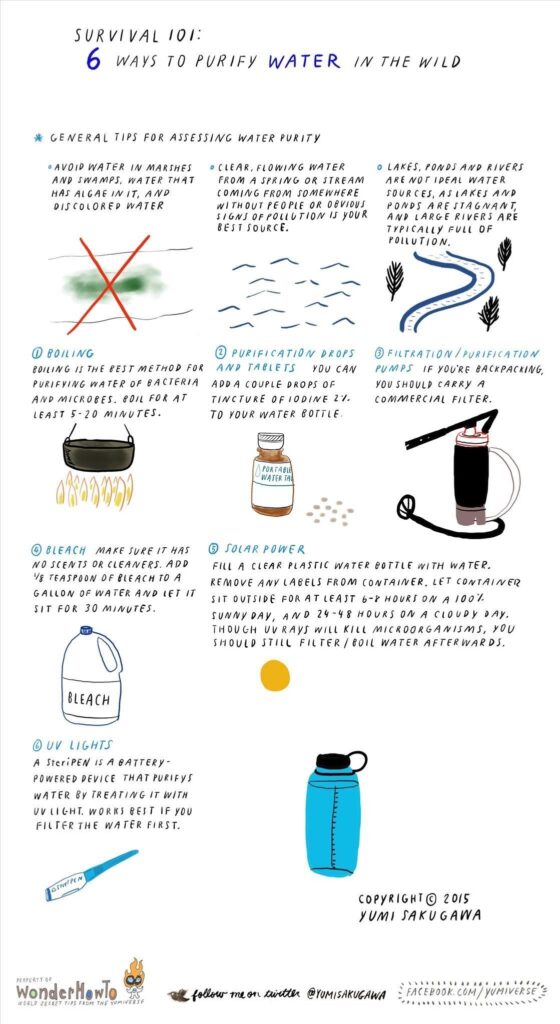
How to Purify Water
In emergency situations, you may need to purify water before using it for drinking or cooking. Here are some methods:
- Boiling: Boil the water for at least 10 minutes to kill bacteria and other microorganisms.
- Filtration: Use a filter, such as a coffee or tea filter, to remove particulate matter from the water.
Purification Methods
There are several methods to purify water:
- Boiling
- Filtration
- Chlorination: Add chlorine tablets or liquid to the water to disinfect it.
- Distillation: Boil the water and then collect the condensed steam as a pure form of water.
Water Purification Systems
If you’re looking for long-term solutions, consider investing in water purification systems:
- Mini filters: Portable filters that can be used to purify water on-the-go.
- Tanics: Collapsible water containers that can be filled with clean drinking water.
In addition to these methods and systems, it’s essential to have a well-planned emergency response plan. This should include identifying alternative sources of clean water, establishing communication protocols, and having a clear plan for evacuation or shelter-in-place.
Importance of Water Conservation
Water conservation is also crucial in preventing water shortages. Every drop counts, and making conscious efforts to reduce our water usage can help ensure that everyone has access to safe and clean drinking water.
Some simple ways to conserve water include:
- Fixing leaks promptly
- Using low-flow showerheads and faucets
- Installing drought-resistant plants in your garden or yard
- Taking shorter showers
Conclusion
Having a plan for water shortage is crucial. By being prepared and knowing how to purify water, you can ensure access to clean drinking water in emergency situations. Moreover, making conscious efforts to conserve water can help prevent water shortages altogether.
In conclusion, having a plan for water shortage is key to ensuring that everyone has access to safe and clean drinking water. Whether it’s a burst pipe or contamination of the water supply, being prepared and knowing how to purify water can be lifesaving.


