
Asbestos is a material that has been widely used in construction and other industrial sectors for its fire-resistance properties and durability. However, it has been proven to be highly carcinogenic and can cause severe health problems. This has led to increased attention on removing asbestos and preventing exposure to it.
Understanding Asbestos
To recognize the presence of asbestos, one needs to know what products contain it. Asbestos comes in various forms, including sheets, tubes, cowlings, fabrics, cardboard, and even paints. It’s essential to note that asbestos is not always visible to the naked eye, so laboratory analysis on a suspected material sample must be performed to confirm its presence.
What You Need to Know About Asbestos
In this article, we will provide guidance on identifying asbestos and what to do if you suspect its presence. We’ll also offer advice on reducing exposure to asbestos and safely removing it.
Content
-
What is Asbestos?
1.1. Origin and Composition
1.2. Types of Asbestos -
Identifying Asbestos
2.1. Physical Appearance
2.2. Common Uses and Locations
2.3. Professional Testing and Analysis -
Risks to Health and Legislation
3.1. Effects of Exposure
3.2. Current Regulations
What is Asbestos?
Asbestos is a fibrous mineral substance that has been widely used for its technical properties, such as fire resistance and abrasion resistance. However, asbestos is also known for its hazardous impact on human health, causing severe respiratory diseases like asbestosis and mesothelioma. This has led to a ban on its use in many countries, including Italy.
Origin and Composition
Asbestos originates from various parts of the world, such as Russia, Canada, South Africa, and Brazil. There are six primary types of asbestos: cristolite, amosite, crocidolite, tremolite, actinolite, and anthophyllite. Cristolite is the most common type, representing around 95% of all used asbestos worldwide.
Asbestos is primarily composed of magnesium silicates in the form of thin, elongated fibers. These fibers can easily be inhaled and penetrate deep into the lungs, causing irreparable damage.
Types of Asbestos
Asbestos can be classified based on its shape and crystal structure. The three primary types are:
- Serpentine: This type has a spiral structure and a greenish-gray color. Only one type, cristolite, belongs to this category.
- Amphibolic: This type has a rod-like structure and a gray-blue color. Asbestos varieties that belong to this category include amosite, crocidolite, tremolite, actinolite, and anthophyllite.
- Mixed asbestos: This form is a mixture of serpentine and amphibolic types.
Identifying Asbestos
Asbestos can be identified visually by its fibrous structure. However, due to its frequent mixing with other materials, it can be challenging to recognize solely based on physical appearance.
Common uses and locations where asbestos has been used include old buildings, ships, cars, and industrial facilities.
Professional testing and analysis are necessary to confirm the presence of asbestos in a material. Laboratory tests conducted by certified experts can determine whether a material contains asbestos or not.
Risks to Health and Legislation
Effects of Exposure
Asbestos is highly hazardous to human health. Asbestos fibers can be inhaled and penetrate deep into the lungs, causing severe diseases such as asbestosis, mesothelioma, and lung cancer.
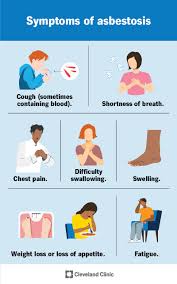
Prolonged exposure to asbestos can lead to serious health problems, including difficulty breathing, coughing, chest pain, weight loss, fever, and fatigue.
Legislation
To protect workers’ health and the environment, various regulations govern asbestos use and management. In Italy, the primary legislation is the 2008 decree n. 81, which sets safety and prevention guidelines for managing asbestos.
This decree mandates identifying and cataloging all materials containing asbestos present in buildings and requiring a cleaning plan for removal. It also outlines rules for worker training and environmental surveillance.
Moreover, the decree prescribes penalties for non-compliance with safety regulations.
Reducing Exposure to Asbestos
To minimize exposure to asbestos, it’s crucial to follow safe handling practices and remove any potentially contaminated materials.
If you suspect the presence of asbestos in your home or workplace, consult a certified professional for analysis and removal.
Conclusion
Asbestos is a hazardous material that poses significant health risks. Recognizing its presence requires knowledge of its forms and locations. By following safety guidelines and consulting professionals, we can minimize exposure to this carcinogenic substance.
Frequently Asked Questions
- What are the common uses of asbestos?
- Asbestos has been used in various products, including insulation, fabrics, construction materials, and even paints.
- Can I identify asbestos by its appearance?
- While asbestos has a fibrous structure, it can be challenging to recognize solely based on physical appearance due to its frequent mixing with other materials.
- How do I protect myself from asbestos exposure?
- To minimize exposure, follow safe handling practices and consult certified professionals for analysis and removal.
- Are there any regulations governing asbestos use in Italy?
- Yes, the Italian government has established guidelines to ensure safe management of asbestos through Decree n. 81/2008.
- Can I remove asbestos from my home or workplace without professional help?
- No, it is not recommended to attempt removal yourself, as improper handling can lead to further health risks and legal consequences.
- What are the potential health effects of asbestos exposure?
- Prolonged exposure to asbestos can cause severe diseases such as asbestosis, mesothelioma, lung cancer, and respiratory problems.
- Can I be diagnosed with asbestos-related disease without symptoms?
- Yes, some individuals may not exhibit noticeable symptoms but can still develop health issues due to prolonged exposure.
- Are there any alternative materials that can replace asbestos?
- Yes, various safer alternatives have been developed for insulation and other applications where asbestos was previously used.
Asbestos Removal Methods
Asbestos removal is a complex process requiring specialized training and equipment. The following methods are commonly used:
- Mechanical removal: This involves breaking up the asbestos-containing material into smaller pieces using power tools, which can then be removed.
- Shredding: Asbestos-containing materials are shredded into small pieces to prevent fibers from becoming airborne.
- Encapsulation: A sealant is applied to the affected area to contain the asbestos fibers and prevent them from releasing into the air.
- Vacuum sealing: The affected area is sealed off, and a vacuum system is used to remove the asbestos-containing material.
Asbestos Abatement
Asbestos abatement refers to the process of removing or encapsulating asbestos-containing materials. This can be done through various methods, including:
- Inspection and testing: Identifying areas containing asbestos and conducting laboratory tests to confirm its presence.
- Removal: Using specialized equipment and techniques to safely remove asbestos-containing materials.
- Encapsulation: Applying a sealant to the affected area to contain the asbestos fibers.
Asbestos Cleanup
Asbestos cleanup involves removing contaminated materials from a site and disposing of them properly. This can be done through various methods, including:
- Decontamination: Cleaning surfaces and equipment contaminated with asbestos.
- Disposal: Properly disposing of asbestos-containing materials in licensed landfills or incinerators.
- Remediation: Conducting remedial actions to prevent future contamination.
Conclusion
Asbestos is a hazardous material that poses significant health risks. Recognizing its presence requires knowledge of its forms and locations. By following safety guidelines and consulting professionals, we can minimize exposure to this carcinogenic substance.
Asbestos removal and abatement are complex processes requiring specialized training and equipment. It’s essential to consult certified professionals for analysis and removal to ensure safe handling practices and prevent further health risks.
Final Thoughts
Asbestos is a hazardous material that requires careful handling and disposal. By understanding its properties, risks, and management methods, we can minimize exposure to this carcinogenic substance and protect public health.


