
As the world shifts towards more sustainable and environmentally friendly transportation options, the demand for electric cars is on the rise. But with so many models available in the market, it can be daunting to determine the right price for one. In this article, we’ll explore the key factors to consider when buying an electric car, including price, autonomy, design, and incentives.
The Benefits of Electric Cars
Before we dive into the details, let’s talk about why electric cars are becoming increasingly popular. Not only do they produce zero tailpipe emissions, but they also offer a range of other benefits, including:
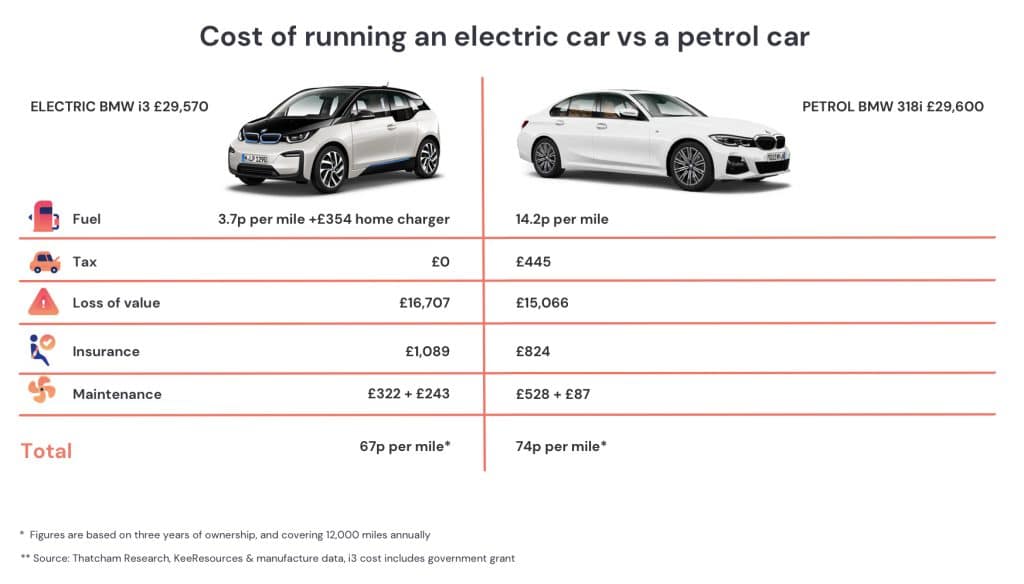
- Lower operating costs: Electric cars are generally cheaper to run than their gasoline-powered counterparts, with electricity being significantly less expensive than fuel.
- Improved air quality: By reducing the amount of greenhouse gases and pollutants emitted by vehicles, electric cars contribute to cleaner air and a healthier environment.
- Reduced greenhouse gas emissions: Electric cars produce zero tailpipe emissions, which means they don’t contribute to climate change or air pollution in the same way that traditional vehicles do.
- Smooth and quiet ride: Electric cars are known for their smooth and quiet acceleration, making them a pleasure to drive.
However, electric cars also have some drawbacks. For example:
- Limited range: Most electric cars have limited ranges (around 200 miles) before needing to be recharged, which can make long road trips more difficult.
- Charging infrastructure: While charging infrastructure is improving rapidly, it’s still not as widespread as gasoline stations, making it harder for drivers to find charging points on the go.
Despite these challenges, electric cars are becoming increasingly popular, and their prices are decreasing rapidly. In this article, we’ll explore some of the key factors that influence the price of an electric car and provide guidance on how to make an informed decision when buying one.
The Price of Electric Cars
According to a study conducted by Deloitte and Expert System, which analyzed over 6,000 websites, the average price of an electric car is around $15,000. However, prices can range from under $10,000 for basic models to over $50,000 for luxury vehicles.
So what are some key factors that influence the price of an electric car? Here are a few:
- Autonomy: Electric cars with longer ranges (over 160 miles) tend to be more expensive than those with shorter ranges.
- Design: Luxury electric cars often come with premium features and designs, which can drive up their price.
- Incentives: Governments and manufacturers may offer incentives such as tax credits or rebates to make electric cars more affordable.
Norway’s Model: A Guide to Electric Car Incentives
One country that has implemented a comprehensive set of incentives for electric car owners is Norway. The Norwegian government offers a range of benefits, including:
- Zero Value-Added Tax (VAT): This means that buyers don’t have to pay any additional taxes on their purchase.
- No tolls or parking fees: Electric cars are exempt from tolls and parking fees in Norway, which can save drivers a significant amount of money over time.
- Free access to high-speed charging stations: The Norwegian government provides free access to high-speed charging points for electric car owners, making it easier for them to charge on the go.
- Over 3,500 public charging points (many of which are free): Norway has an extensive network of public charging points, many of which are free to use.
These incentives have helped make electric cars incredibly affordable in Norway, with prices starting from around $10,000.
Italy’s Electric Car Incentives: A New Era
In Italy, a new law has been passed that provides incentives for electric car buyers. The law includes:
- A bonus of up to $5,000 for purchasing an electric car: This means that buyers can get a significant discount on their purchase.
- A comprehensive infrastructure plan for public charging stations: The Italian government is investing heavily in building out the country’s public charging network, making it easier for drivers to charge on the go.
- “Promotional” electricity rates during the start-up phase of the market: Electric car owners can take advantage of discounted electricity rates during the early stages of the market.
The Italian government has also allocated €420 million over three years (starting from 2013) to develop sustainable mobility solutions. This significant investment is helping to drive growth in the electric car market and make it more affordable for buyers.
The Market Potential: 30-35,000 Electric Cars per Year
According to Deloitte’s partner Marco Martina, the potential market for electric cars in Italy is around 30-35,000 units per year. This presents a significant opportunity for both manufacturers and consumers alike.
“So we’re facing a huge opportunity that can bring benefits not only economically but also in terms of quality of life and smart mobility,” says Martina.
Conclusion
As the world shifts towards more sustainable transportation options, electric cars are becoming increasingly popular. But with so many models available in the market, it’s essential to consider several key factors when buying an electric car. From autonomy and design to incentives and government support, there’s no one-size-fits-all solution. By understanding these factors and doing your research, you can make an informed decision about which electric car is right for you.
FAQs
- What is the average price of an electric car?
The average price of an electric car is around $15,000. - How much do incentives affect the cost of an electric car?
Incentives can significantly impact the cost of an electric car, with bonuses and tax credits ranging from $5,000 to $10,000 or more. - Which countries have implemented comprehensive electric car incentives?
Norway and Italy are two examples of countries that offer a range of benefits for electric car owners. - What is the market potential for electric cars in Italy?
The market potential for electric cars in Italy is estimated to be around 30-35,000 units per year. - How does government support impact the affordability of electric cars?
Government support can significantly reduce the cost of electric cars by offering incentives such as tax credits and rebates. - What are some key factors that influence the price of an electric car?
Autonomy, design, and incentives all play a significant role in determining the price of an electric car. - Can I still afford an electric car without government incentives?
Yes, many electric cars can be purchased at competitive prices without government incentives, although they may require more financial consideration upfront. - How do I research electric car models and find the best fit for my needs?
Researching electric car models involves considering factors such as autonomy, design, price, and incentives, as well as reading reviews from other owners to get a sense of their experiences with specific models.
Tips for Buying an Electric Car
- Consider your budget: Before buying an electric car, consider how much you can afford to spend on the purchase, maintenance, and ongoing costs.
- Research different models: Look into different electric car models and compare their features, prices, and performance.
- Check incentives and tax credits: Make sure to check if there are any government incentives or tax credits available for electric cars in your area.
- Consider the cost of charging: Think about how much you’ll spend on electricity costs over time and whether an electric car will fit within your budget.
- Test drive different models: Take test drives to get a sense of which electric car feels most comfortable and enjoyable to drive.
By following these tips and doing your research, you can make an informed decision about which electric car is right for you.


