
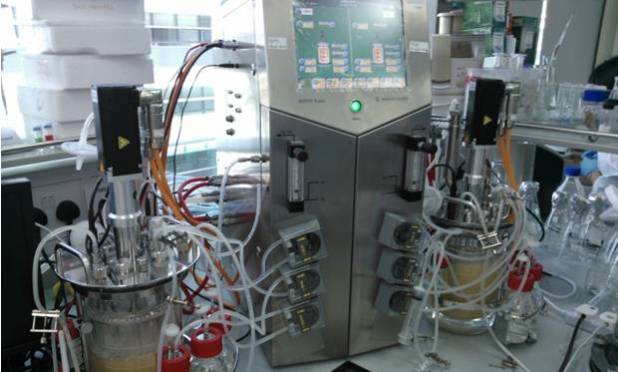
In a world where sustainability is becoming increasingly important, companies are being forced to rethink their waste management strategies. The coffee giant, Starbucks, has taken a bold step towards reducing its environmental impact by launching a biorefinery that converts food waste into valuable products. This innovative project has the potential to revolutionize the way companies approach waste management and create a more sustainable future for generations to come.
The Problem of Food Waste
Did you know that 39% of the American population feels guilty about throwing away food? It’s not just a moral issue; it’s also an economic one. The crisis economy has made it difficult for households and businesses to manage their finances, leading to a staggering amount of food waste. According to the United Nations Food and Agriculture Organization (FAO), one-third of all food produced globally is lost or wasted. This not only has significant environmental implications but also results in substantial economic losses.
The impact of food waste extends beyond the environmental sector. It can also have negative effects on public health, as it leads to an over-reliance on non-food products for energy and nutrients. In addition, food waste contributes to greenhouse gas emissions, as it decomposes and releases methane and other potent gases into the atmosphere.
The Biorefinery Project
Starbucks has partnered with researchers from the University of Hong Kong to develop a biorefinery that can convert food waste into sustainable products. The project is the result of a collaborative effort between the company and the university, which was showcased at the 224th Congress of the American Chemical Society.
The biorefinery uses a special microorganism to convert carbohydrates in food waste into simple sugars. With the addition of nitrogen, the microorganisms produce acetic acid, which is then crystallized into powder form. This powder can be used to produce detergives, bioplastics, and even pharmaceuticals.
The Science Behind the Biorefinery
So, how does it work? The biorefinery uses a special enzyme that breaks down carbohydrates in food waste into simple sugars. These sugars are then fed into a microorganism that converts them into acetic acid. The microorganisms use a process called anaerobic digestion to break down the sugars, producing acetic acid as a byproduct.
The addition of nitrogen allows the microorganisms to produce more acetic acid, which is then crystallized into powder form. This powder can be used in various applications, including detergives, bioplastics, and pharmaceuticals.
The Benefits of Acetic Acid
Acetic acid is a highly versatile substance that has multiple applications in various industries. It’s currently on the US Department of Energy’s list of fundamental materials for industrial production, making it a valuable resource for companies looking to reduce waste and increase sustainability.
In addition to its use as a raw material for bioplastics and pharmaceuticals, acetic acid also has potential applications in the energy sector. It can be used as a fuel additive to improve the efficiency of diesel engines and reduce greenhouse gas emissions.
The Future of Sustainability
Starbucks’ biorefinery project is still in its pilot phase, but the potential impact is enormous. By converting food waste into sustainable products, the company can reduce its environmental footprint while generating new revenue streams. The future of sustainability is bright, and companies like Starbucks are leading the way.
Conclusion
In conclusion, Starbucks’ biorefinery project is a game-changer for the coffee industry and beyond. By harnessing the power of food waste, the company is creating a more sustainable future for itself and for generations to come. As consumers become increasingly environmentally conscious, companies will need to adapt to meet their needs.
Frequently Asked Questions
Q: What type of food waste can be converted into acetic acid?
A: The biorefinery uses food waste products such as bread, coffee grounds, and tea bags to produce acetic acid.
Q: How does the microorganism convert carbohydrates into simple sugars?
A: The microorganism uses a special enzyme that breaks down carbohydrates into simple sugars, which can then be converted into acetic acid.
Q: What are some potential applications of acetic acid beyond detersives and bioplastics?
A: Acetic acid has potential applications in the pharmaceutical industry, where it can be used as an ingredient in certain medications. It also has potential uses in the energy sector, including as a fuel additive to improve the efficiency of diesel engines.
Q: Is the biorefinery project still in its pilot phase?
A: Yes, the project is currently undergoing testing and evaluation before being implemented on a larger scale.
Q: How will Starbucks’ biorefinery project impact the coffee industry?
A: The project has the potential to reduce waste and increase sustainability for the coffee industry, while also generating new revenue streams for the company.
Q: What role does the US Department of Energy play in the development of acetic acid?
A: The US Department of Energy has listed acetic acid as one of its fundamental materials for industrial production, making it a valuable resource for companies looking to reduce waste and increase sustainability.
Q: Can consumers expect to see any changes in Starbucks’ operations or products as a result of the biorefinery project?
A: It’s likely that customers will see some changes in the company’s operations and products, such as the use of sustainable packaging materials and reduced food waste.
How You Can Get Involved
So, how can consumers get involved in reducing food waste and supporting sustainability initiatives like Starbucks’ biorefinery project? There are several ways to make a difference:
- Reduce your own food waste: Plan meals, shop from local farmers, and avoid buying more than you need.
- Use reusable bags and containers: Avoid single-use plastics and opt for reusable alternatives instead.
- Support companies that prioritize sustainability: Companies like Starbucks are leading the way in reducing waste and increasing sustainability.
- Educate yourself on sustainable practices: Learn about the impact of food waste and how to reduce it, as well as other ways to live a more sustainable lifestyle.
By working together, we can create a more sustainable future for generations to come. The Starbucks biorefinery project is just one example of how companies are leading the way in reducing waste and increasing sustainability.


