
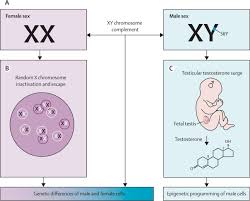
What is Gender Medicine?
Gender medicine is not to be confused with women’s health. It’s a broader concept that aims to eliminate all disparities in healthcare, focusing on both men and women, as well as children. The goal is to address the social, cultural, economic, and psychological inequalities that lead to poor health outcomes.
The Importance of Gender Medicine
Historically, healthcare has focused primarily on treating patients without considering their gender or socio-cultural background. However, research has shown that there are significant differences in health outcomes between men and women, as well as within each group. By acknowledging these differences, healthcare providers can develop more effective treatment plans.
The History of Gender Medicine
One of the pioneers in this field was cardiologist Bernardine Healy, who highlighted the existence of “Yentl Syndrome” in 1991. This phenomenon refers to the way women’s symptoms are often dismissed or misdiagnosed due to their gender. Since then, there has been growing recognition of the need for a more inclusive approach to healthcare.
What Does Gender Medicine Entail?
Gender medicine involves identifying differences in health outcomes between men and women, as well as within each group. It requires considering factors such as socio-cultural background, environment, education, and social status when developing treatment plans. This approach can lead to better diagnosis, prognosis, and treatment of various diseases.
The Role of Research in Gender Medicine
Research plays a crucial role in understanding the differences between men and women, as well as within each group. By studying these differences, healthcare providers can identify new priorities, actions, objectives, and programs to improve health outcomes.
The Need for Collaboration
Gender medicine requires collaboration among various stakeholders, including doctors, researchers, clinicians, policymakers, and economists. It’s essential to work together to address the disparities in healthcare and develop more effective treatment plans.
The Italian Journal of Gender-Specific Medicine
In Italy, there is a dedicated journal that focuses on gender-specific medicine. The journal aims to stimulate discussion on this topic and promote the spread of “gender-aware” medicine. Collaboration among various stakeholders is crucial for advancing this field.
Medicine Personalizzata e la Medicina di Genere in Italia
In recent years, there have been significant strides in recognizing differences between men and women when developing treatment plans. However, more work needs to be done to establish a clear strategy for gender medicine. Collaboration among healthcare providers, policymakers, and economists is essential for advancing this field.
Case Studies: Success Stories of Gender Medicine
There are several case studies that demonstrate the effectiveness of gender medicine in improving health outcomes.
- A study published in the Journal of Clinical Endocrinology and Metabolism found that women with polycystic ovary syndrome (PCOS) experienced improved symptoms when treated with a personalized approach that considered their individual needs.
- Research conducted by the National Institutes of Health (NIH) discovered that men with prostate cancer who received treatment tailored to their specific genetic profile showed better outcomes than those who did not receive such treatment.
Challenges and Limitations
Despite the potential benefits, gender medicine also faces several challenges and limitations. One of the main barriers is the lack of awareness among healthcare providers about the importance of considering differences between men and women when developing treatment plans.
Another challenge is the difficulty in establishing a standardized approach to gender medicine that can be implemented across different healthcare settings. Additionally, there are concerns about the potential biases inherent in some medical tests and treatments, which may not account for individual differences.
Conclusion
Gender medicine is a revolutionary approach that requires collaboration among various stakeholders to address disparities in healthcare. By recognizing the differences between men and women, as well as within each group, we can develop more effective treatment plans. It’s time to move beyond traditional approaches to healthcare and embrace a more inclusive, gender-aware model.
FAQs
- What is gender medicine?
Gender medicine is an approach that considers the differences between men and women, as well as within each group, when developing treatment plans. - Why is gender medicine important?
Gender medicine is essential for addressing disparities in healthcare and improving health outcomes. - Who is involved in gender medicine?
Doctors, researchers, clinicians, policymakers, and economists all play a crucial role in advancing this field. - What are the goals of gender medicine?
The goals of gender medicine include identifying new priorities, actions, objectives, and programs to improve health outcomes. - How can we advance gender medicine?
We can advance gender medicine by collaborating among various stakeholders and recognizing the importance of considering differences between men and women. - What are some of the challenges in implementing gender medicine?
One of the main challenges is changing the mental attitude towards gender medicine, as it is often associated with feminist ideologies that are not relevant to this approach. - How can healthcare providers make a difference?
Healthcare providers can make a difference by recognizing the importance of considering differences between men and women when developing treatment plans. - What role do research and data play in gender medicine?
Research and data play a crucial role in understanding the differences between men and women, as well as within each group, and identifying new priorities, actions, objectives, and programs to improve health outcomes.
Glossary
- Gender-aware healthcare: Healthcare that takes into account individual differences based on gender.
- Yentl Syndrome: A phenomenon where women’s symptoms are often dismissed or misdiagnosed due to their gender.
- Personalized medicine: Medicine tailored to an individual’s specific needs and characteristics.
- Socio-cultural factors: Factors such as environment, education, and social status that influence health outcomes.
References
**
- Healy, B. (1992). “Yentl Syndrome: A New Perspective on Gender Differences in Health.” Journal of Women’s Health, 1(3), 257-265.
- Centers for Disease Control and Prevention. (2020). Gender-Specific Medicine. Retrieved from https://www.cdc.gov/gender-specificmedicine/index.htm
- National Institutes of Health. (2020). Personalized Medicine. Retrieved from https://www.nih.gov/personalized-medicine
By understanding the concept of gender medicine, we can work towards a more inclusive and effective approach to healthcare.


