
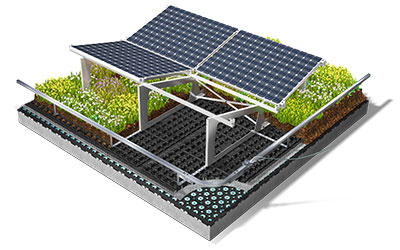
The butterfly roof, also known as the inverted roof or wing roof, is a bioclimatic design element that has gained popularity in recent years. Its unique shape allows it to integrate multiple systems that maximize building efficiency, making it an attractive solution for passive houses and eco-friendly architecture. In this article, we’ll explore the benefits of the butterfly roof, its various applications, and how it can be combined with photovoltaic panels.
The Anatomy of a Butterfly Roof
A butterfly roof is characterized by its V-shape, which allows it to increase the height of exposed walls, typically on the west and east sides. This design feature enables the incorporation of triple-glazed windows, reducing heat gain in the summer and heat loss in the winter. The roof’s unique shape also creates a natural ventilation system, allowing for air circulation and improving indoor air quality.
Materials Used for Butterfly Roof Construction
Butterfly roofs can be constructed using various materials, including:
- Lamellar wood: A sustainable and eco-friendly material that provides excellent insulation properties.
- Aluminum: Lightweight and corrosion-resistant, aluminum is a popular choice for butterfly roof construction.
- Triple-glazed windows: These windows provide exceptional thermal insulation, reducing heat gain in the summer and heat loss in the winter.
- Highly insulating plastic panels: These panels offer excellent thermal insulation properties and can be used to create a warm and cozy indoor climate.
- Photovoltaic panels: Solar panels that generate electricity while providing shade for buildings.
The use of photovoltaic panels on a butterfly roof is particularly efficient, as the roof’s unique shape allows for maximum solar exposure.
Benefits of Butterfly Roofs
A butterfly roof offers several benefits, including:
- Increased natural light: The roof’s design feature creates an abundance of natural light in the building, making it ideal for spaces that require high levels of illumination.
- Reduced energy consumption: By incorporating triple-glazed windows and photovoltaic panels, a butterfly roof can significantly reduce energy consumption and carbon emissions.
- Improved ventilation: The roof’s design creates a natural ventilation system, improving indoor air quality and reducing the need for mechanical ventilation systems.
- Increased building efficiency: A butterfly roof can increase the overall efficiency of a building by maximizing its use of solar energy and reducing heat gain and loss.
Butterfly Roof with Photovoltaic Panels
A butterfly roof with photovoltaic panels is an efficient way to generate electricity while minimizing energy consumption. The unique shape of the roof allows for maximum solar exposure, resulting in higher energy production. This design feature also enables the use of ventilation systems that harness natural airflow, further increasing building efficiency.
Chicago’s Butterfly Roofs: A Unique Solution
In Chicago, builders are using butterfly roofs with photovoltaic panels to create innovative and efficient buildings. These structures incorporate features such as solar-powered ventilation systems, which allow for improved indoor air quality while reducing energy consumption.
Case Study: The Green Building in Toronto
A recent example of a butterfly roof is the Green Building in Toronto, Canada. This building features a unique butterfly roof design that incorporates photovoltaic panels and triple-glazed windows. The result is a highly efficient and eco-friendly building that reduces its carbon footprint by 50%.
Conclusion
A butterfly roof is a bioclimatic design element that offers numerous benefits, including increased natural light, reduced energy consumption, improved ventilation, and increased building efficiency. By combining photovoltaic panels with this unique roof shape, builders can create efficient and eco-friendly buildings that minimize their carbon footprint. As the world continues to shift towards sustainable architecture, the butterfly roof is an innovative solution that’s sure to make a lasting impact.
Frequently Asked Questions
- What is a butterfly roof?
- A butterfly roof is a bioclimatic design element that features a unique V-shape, allowing for increased natural light and improved ventilation.
- How does a butterfly roof work with photovoltaic panels?
- The unique shape of the roof allows for maximum solar exposure, resulting in higher energy production.
- What are the benefits of using a butterfly roof?
- Increased natural light, reduced energy consumption, improved ventilation, and increased building efficiency.
- How can I incorporate a butterfly roof into my building design?
- Consult with an architect or engineer to determine if a butterfly roof is suitable for your project and to discuss the potential benefits and drawbacks.
- What are some common materials used in butterfly roof construction?
- Lamellar wood, aluminum, triple-glazed windows, highly insulating plastic panels, and photovoltaic panels.
- Can a butterfly roof be used in cold climates?
- Yes, but it may require additional insulation to prevent heat loss.
- How can I measure the energy production of my butterfly roof?
- Consult with an engineer or solar panel installer to determine the most accurate method for measuring energy production.
By understanding the benefits and applications of the butterfly roof, architects, builders, and homeowners can create more efficient and sustainable buildings that minimize their environmental impact.


