
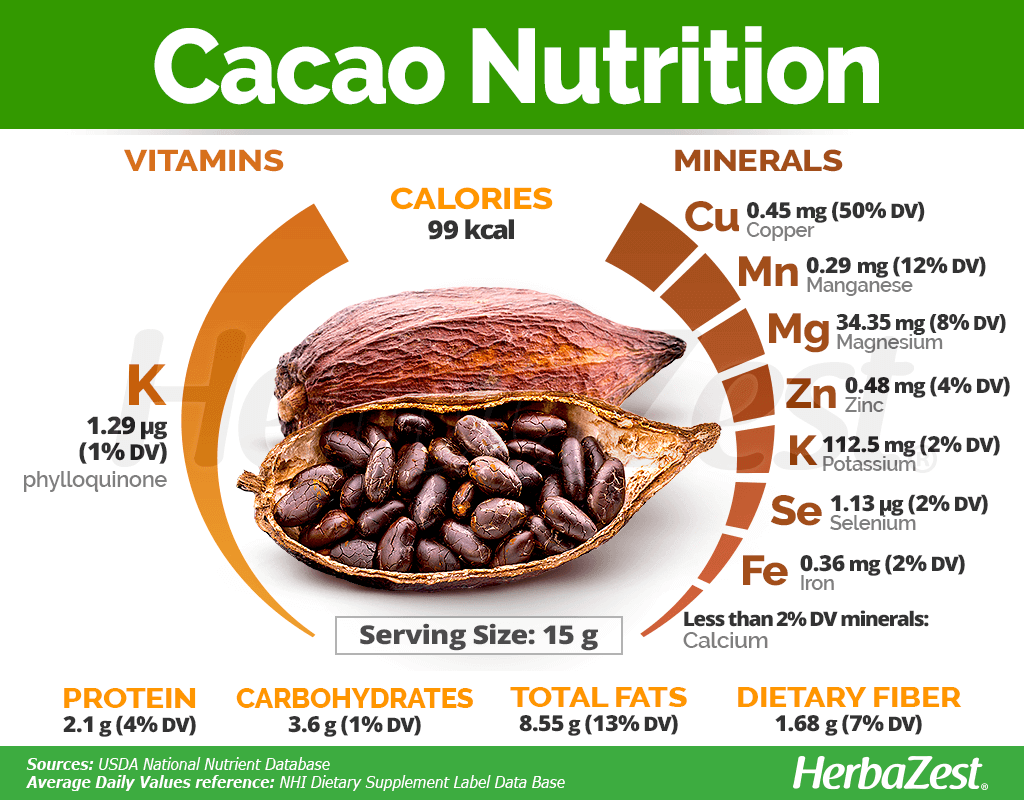
Cacao, introduced to the world by Christopher Columbus from the Americas, is a nutrient-rich food with numerous health benefits. To understand the significance of cacao in ancient cultures, consider the Maya and Aztec civilizations, who considered it a sacred gift to their gods. The fine powder obtained from extracting the cocoa butter from the seeds of the cacao plant, known as chocolate powder, was used to create chocolate.
A Brief History of Cacao
The history of cacao dates back thousands of years, with evidence suggesting that it was first cultivated in Mesoamerica around 3000 BCE. The Maya and Aztecs revered cacao as a sacred gift from the gods, using it not only for its flavor but also for medicinal purposes. They believed that cacao had spiritual powers and used it to perform rituals and ceremonies.
Nutritional Properties of Cacao
Cacao is a rich source of essential micronutrients such as lipids, carbohydrates, and proteins, as well as minerals like magnesium, potassium, calcium, phosphorus, iron, and sodium. The presence of caffeine, serotonin, tyramine, and phenylethylamine has led to numerous health benefits attributed to cacao consumption. Additionally, it contains various vitamins from the B group, particularly vitamin B3.
The Chemical Composition of Cacao
Cacao is composed of a variety of compounds, including:
- Flavonoids: A type of antioxidant found in dark chocolate
- Theobromine: A stimulant that can improve mood and cognitive function
- Serotonin: A neurotransmitter involved in regulating mood and appetite
- Tyramine: An amino acid involved in regulating blood pressure and heart rate
- Phenylethylamine: A natural amphetamine-like compound that can improve mood
Health Benefits of Cacao
The consumption of chocolate triggers the release of endorphins, also known as “feel-good” hormones, similar to those found in opium, resulting in a sense of euphoria and well-being. It is recommended to consume 40 grams of chocolate to reap the benefits of cacao (please note excessive consumption). A study conducted by Missouri State University found that cacao has analgesic properties, alleviating headaches.
A recent research conducted in England suggests that consuming approximately 20 grams of bitter chocolate per day can increase an individual’s lifespan. The presence of theobromine in cacao leads to improved concentration and reaction time. For individuals suffering from depression, there is positive news: serotonina and tyramine in cacao support the nervous system, while tyramine is also used in antidepressant medication.
Studies have consistently shown that the most significant benefits come from consuming dark chocolate (without overindulging). Only bitter chocolate contains epicatechin, a flavonoid responsible for its characteristic taste, maintaining its antioxidant properties. The antioxidants present in cacao help combat free radicals and slow down cellular aging processes.
The Antioxidant Properties of Cacao
Cacao is rich in antioxidants, which are compounds that can neutralize free radicals and protect cells from damage. These antioxidants include:
- Flavonoids: Which have been shown to improve cardiovascular health and reduce inflammation
- Polyphenols: Which have been shown to have anti-inflammatory properties
- Theobromine: Which has been shown to have antioxidant properties
The Role of Cacao in Weight Management
Cacao has been suggested as a potential aid in weight management due to its ability to suppress appetite and improve metabolism. Studies have found that consuming cacao can:
- Reduce cravings for sweet or salty foods
- Improve feelings of fullness and satisfaction
- Increase the burning of fat and carbohydrates
However, it is essential to note that excessive consumption of cacao can lead to weight gain.
The Relationship Between Cacao and Cognitive Function
Cacao has been shown to have a positive impact on cognitive function, particularly in older adults. The presence of theobromine in cacao leads to improved concentration and reaction time. Additionally, cacao contains compounds that may help improve memory and reduce the risk of age-related cognitive decline.
The Potential Health Benefits for Individuals with Mental Health Conditions
Cacao has been suggested as a potential treatment for various mental health conditions, including:
- Depression: Serotonin and tyramine in cacao support the nervous system, while tyramine is also used in antidepressant medication.
- Anxiety: Theobromine in cacao can help improve mood and reduce anxiety.
- ADHD: Cacao contains compounds that may help improve focus and concentration.
Frequently Asked Questions
- Q: What are the main health benefits of consuming cacao?
A: Cacao contains various essential micronutrients, minerals, and antioxidants, which have been linked to improved cognitive function, mood enhancement, and overall well-being. - Q: Is it true that cacao has analgesic properties?
A: Yes, research conducted by Missouri State University found that cacao has analgesic properties, alleviating headaches. - Q: Can cacao improve concentration and reaction time?
A: The presence of theobromine in cacao leads to improved concentration and reaction time. - Q: Does cacao have any benefits for individuals suffering from depression?
A: Serotonina and tyramine in cacao support the nervous system, while tyramine is also used in antidepressant medication. - Q: What type of chocolate is most beneficial for our health?
A: Dark chocolate (without overindulging) is the most beneficial, as it contains epicatechin, a flavonoid responsible for its characteristic taste and maintaining antioxidant properties. - Q: Does cacao have any negative effects on skin health?
A: Contrary to popular belief, research has debunked the notion that chocolate causes acne. The cause is entirely independent of chocolate consumption. - Q: Can I consume too much cacao?
A: Yes, excessive consumption can lead to adverse effects, so it’s essential to enjoy cacao in moderation (40 grams per day). - Q: Is cacao a suitable substitute for traditional treatments?
A: While cacao has numerous health benefits, it should not be used as a sole substitute for medical treatment; consult with a healthcare professional before making any significant changes to your diet.
Conclusion
In conclusion, cacao is a nutrient-rich food with numerous health benefits attributed to its unique properties. By incorporating dark chocolate into our diets, we can reap the rewards of improved cognitive function, mood enhancement, and overall well-being. As we continue to explore the potential of cacao, it becomes clear that this ancient gift from the gods holds many secrets waiting to be unlocked.
Recommendations for Incorporating Cacao into Your Diet
- Eat dark chocolate in moderation: Enjoy 20-40 grams of dark chocolate per day, without overindulging.
- Choose high-quality cacao products: Look for products that contain at least 70% cocoa solids to reap the most benefits from the flavonoids and antioxidants present in cacao.
- Experiment with different types of cacao: Try different types of cacao, such as dark chocolate, milk chocolate, or white chocolate, to see what works best for you.
- Combine cacao with other healthy foods: Enjoy cacao with other nutrient-dense foods, such as fruits, nuts, and seeds, to reap the most benefits from your diet.
By incorporating cacao into your diet in moderation, you can experience improved cognitive function, mood enhancement, and overall well-being.


