
As a gardener, many of us believe that seasonal vegetables are an essential part of our home garden. And for good reason. Not only can it provide the best-tasting produce, but it also allows us to connect with nature and respect the natural cycles of growth.
While large-scale producers may benefit from using varieties more adaptable to different seasons or using greenhouse technology (a clear economic choice), when it comes to personal consumption, why force nature’s pace? Growing your own vegetables is a chance to savor the flavors of the season, experiment with lunar influences on plant cultivation, and care for a small piece of the planet through gentle farming practices.
At the heart of this concept is the importance of seasonal produce. This aligns perfectly with the ultimate purpose of home gardening: enjoying fresh, locally grown food. When consumed within hours of harvest, seasonal vegetables are richer in nutrients. For example, vitamin C levels decrease rapidly after harvesting, which means that products stored in refrigerators for extended periods can be less nutritious.
Furthermore, seasonal produce allows you to eat at the peak of freshness and flavor, making each meal more enjoyable and satisfying. The intense flavors of summer tomatoes, for instance, are hard to replicate with out-of-season imports. Seasonal vegetables also encourage a more mindful approach to food consumption, fostering an appreciation for the simple pleasures in life.
The concept of seasonal eating is deeply rooted in traditional farming practices. Many farmers still adhere to these methods, even in modern times. By planting and harvesting according to nature’s natural cycles, farmers can take advantage of favorable weather conditions, soil temperature, and sunlight patterns to promote healthy plant growth.
In addition to the benefits for personal consumption, seasonal vegetables also play a significant role in supporting local food systems. When we purchase produce from our neighbors or friends who are growing their own, we’re investing in the health and prosperity of our community. This grassroots approach to food production fosters a stronger sense of connection among gardeners and consumers.
Before we dive into the specifics of when each vegetable is in season, let’s clarify what we mean by “seasonal” in this context. We’re not talking about planting times, but rather when a particular variety is ready to be harvested according to nature’s natural cycles. This distinction may seem subtle, but it has significant implications for gardeners who are looking to grow a diverse range of produce.
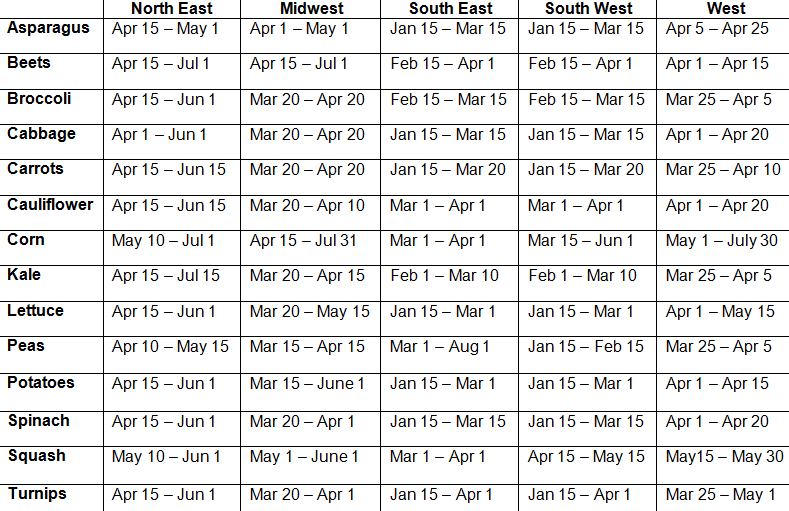
To refresh our memories on which vegetables are in season at different times of the year, here is a handy calendar:
Spring Vegetables (March to May)
- Asparagus: March to May
- Basil: June and July
- Beets: Throughout the year
- Broccoli: October to April
- Carrots: September to June
- Cauliflower: November to April
- Celery: May to September
- Kale: January to May
- Lettuce: April to August
Summer Vegetables (June to August)
- Beans: June to October
- Cucumbers: June to November
- Eggplant: July to November
- Peppers: July to October
- Pumpkins: June to October
- Squash: June to November
- Tomatoes: June to September
Fall Vegetables (September to November)
- Apples: September to November
- Beans: September to October
- Cabbage: September to April
- Carrots: September to June
- Kale: September to May
- Lettuce: August to February
Winter Vegetables (December to February)
- Brussels Sprouts: December to April
- Broccoli: October to April
- Cauliflower: November to April
- Kale: January to May
- Spinach: September to June
Now that we have a better understanding of what constitutes seasonal produce, let’s explore some practical tips for incorporating these vegetables into your home garden.
Tips for Growing Seasonal Vegetables
- Observe the Weather: Before planting any new varieties, observe the weather patterns in your area and plan accordingly. In general, spring is a time of rapid growth, while summer is characterized by heat and dryness.
- Choose Varieties That Suit Your Climate: Select vegetables that are well-suited to your local climate and growing conditions. For example, if you live in a region with frosty winters, choose varieties like Brussels sprouts or kale that can tolerate cooler temperatures.
- Start Small: Don’t try to tackle too much at once. Start by planting a few easy-to-grow vegetables, like lettuce or tomatoes, and gradually expand your garden as you gain experience.
- Use Companion Planting Techniques: Companion planting involves growing different vegetables together in the same bed to improve growth, flavor, and pest resistance. For example, basil repels pests that target tomatoes, making it a popular companion for these two vegetables.
- Keep Records of Your Plantings: Keep track of which varieties you plant, when they’re harvested, and any challenges or successes you encounter along the way. This will help you refine your gardening techniques over time.
The Benefits of Seasonal Eating
Eating seasonal produce has numerous benefits for our health, environment, and community. Here are just a few reasons to make a conscious effort to incorporate more seasonal vegetables into your diet:
- Nutrient-Rich: As mentioned earlier, seasonal produce is typically richer in nutrients than out-of-season imports.
- Environmental Benefits: By growing your own vegetables or purchasing from local farmers, you’re reducing your carbon footprint and supporting sustainable agriculture practices.
- Community Building: Seasonal eating encourages a stronger sense of connection among gardeners and consumers, fostering a more resilient food system.
- Increased Food Security: Growing your own vegetables can provide a vital source of fresh produce during times of economic or environmental stress.
In conclusion, the importance of seasonal vegetables in your home garden cannot be overstated. By incorporating these delicious, nutritious, and versatile produce items into our diets, we’re supporting local food systems, reducing our carbon footprint, and enjoying the simple pleasures of life.
By embracing the concept of seasonal eating, we can take a step towards creating a more sustainable and resilient food system that nourishes both ourselves and the planet. So next time you bite into a juicy, crunchy carrot or slice into a ripe tomato, remember the incredible journey it took to get there – from seed to plate, with love, care, and attention to nature’s natural cycles.


