
Optimizing Fertility through Diet: A Comprehensive Guide
What is Fertility Diet?
As the saying goes, “you are what you eat.” While a balanced diet is essential for overall health, it can also play a significant role in improving fertility. Both men and women can benefit from making dietary changes to enhance their reproductive well-being.
In this article, we will explore the concept of fertility diet, its benefits, and provide a comprehensive guide on how to incorporate healthy foods into your diet to improve fertility.
The Importance of Fertility Diet
A fertility diet is not just about eating healthy; it’s also about making informed choices that can have a significant impact on your reproductive health. By incorporating the right foods into your diet, you can:
- Improve sperm quality and motility in men
- Enhance ovulation and egg quality in women
- Increase fertility rates and reduce the risk of infertility
A Balanced Diet for Fertility
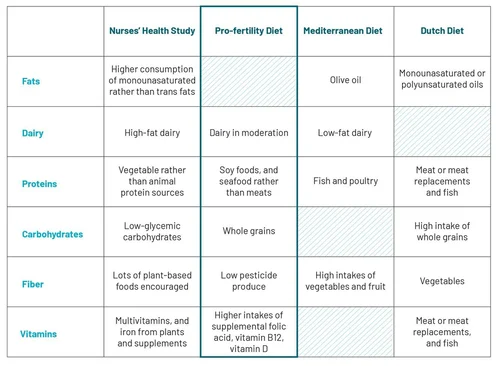
While there is no single “fertility diet,” research suggests that a balanced diet rich in whole foods, fruits, vegetables, whole grains, and lean protein can help support reproductive health.
Some key nutrients to focus on include:
- Vitamin C: essential for immune function and antioxidant production
- Folate: crucial for fetal development during pregnancy
- Iron: vital for healthy red blood cells and oxygen delivery
- Omega-3 fatty acids: supports heart health and inflammation reduction
Fertility Diet for Men
Men can benefit from a fertility diet by incorporating the following foods:
Carrots and Orange Vegetables
Carrots, sweet potatoes, and other orange vegetables are rich in beta-carotene, which converts to vitamin A in the body. Vitamin A is essential for healthy sperm production and motility.
- Eat 2-3 carrots daily
- Enjoy a variety of orange-colored fruits and vegetables throughout the day
Leafy Greens
Leafy greens like spinach, kale, and collard greens are rich in iron and folate, which support healthy sperm production.
- Add leafy greens to your salads or sauté them with garlic as a side dish
- Drink plenty of green smoothies made with spinach, banana, and almond milk
Healthy Fats
Healthy fats like avocado, nuts, and seeds support hormone production and overall reproductive health.
- Enjoy an avocado salad with mixed greens and whole grain crackers daily
- Snack on almonds or walnuts throughout the day
Fertility Diet for Women
Women can benefit from a fertility diet by incorporating the following foods:
Maca and Other Superfoods
Maca is a Peruvian plant that has been used for centuries to support hormone balance and fertility. Other superfoods like berries, leafy greens, and whole grains are also rich in antioxidants and essential nutrients.
- Add maca powder to your smoothies or oatmeal daily
- Enjoy a mix of berries, spinach, and almonds as a snack
Folate-Rich Foods
Folate is essential for fetal development during pregnancy. Include folate-rich foods like dark leafy greens, legumes, and citrus fruits in your diet.
- Eat a salad with mixed greens, cherry tomatoes, and a citrus vinaigrette daily
- Enjoy a serving of cooked spinach or collard greens with whole grain crackers
Omega-3 Rich Foods
Omega-3 fatty acids support heart health and inflammation reduction. Include omega-3 rich foods like salmon, walnuts, and chia seeds in your diet.
- Grill salmon fillets weekly
- Snack on walnuts or almonds daily
Fertility Diet for Everyone
While a fertility diet is essential for men and women, incorporating healthy foods into your diet can benefit everyone. Some key takeaways include:
- Eat a variety of fruits and vegetables daily
- Incorporate whole grains and lean protein sources into your meals
- Choose healthy fats like avocado, nuts, and seeds
Conclusion
A fertility diet is not just about eating healthy; it’s also about making informed choices that can have a significant impact on your reproductive health. By incorporating the right foods into your diet, you can improve sperm quality and motility in men, enhance ovulation and egg quality in women, and increase fertility rates.
Frequently Asked Questions (FAQs)
Q: What are some common fertility diets that can help?
A: Some common fertility diets include a balanced diet rich in whole foods, fruits, vegetables, whole grains, and lean protein. Fertility-focused diets may also include specific nutrient-dense foods like maca, leafy greens, and omega-3 rich foods.
Q: How often should I eat fertility food-rich meals?
A: Eating at least 5-6 servings of fruits and vegetables daily is recommended. Incorporating whole grains, lean protein sources, and healthy fats can also support reproductive health.
Q: Can a fertility diet help with infertility?
A: While there is no single “fertility diet,” incorporating a balanced diet rich in whole foods, fruits, vegetables, whole grains, and lean protein can help support reproductive health. A fertility-focused diet may also include specific nutrient-dense foods that have been shown to improve fertility rates.
Q: Can I incorporate fertility food-rich meals into my existing diet?
A: Yes! You can easily incorporate fertility food-rich meals into your existing diet by substituting healthy options for processed and unhealthy foods. For example, try swapping sugary snacks for fruits or veggies with hummus.
Q: Are there any specific ingredients that should be avoided when trying to conceive?
A: While a balanced diet is essential for reproductive health, avoiding certain ingredients can help reduce the risk of infertility. Some common culprits include:
- Processed meats
- Refined sugars
- Artificial additives
By making informed choices and incorporating healthy foods into your diet, you can improve fertility rates and increase your chances of conception.
Disclaimer
The information provided in this article is for informational purposes only and should not be considered as medical advice. It’s always best to consult with a healthcare professional before making any significant changes to your diet or lifestyle.


