
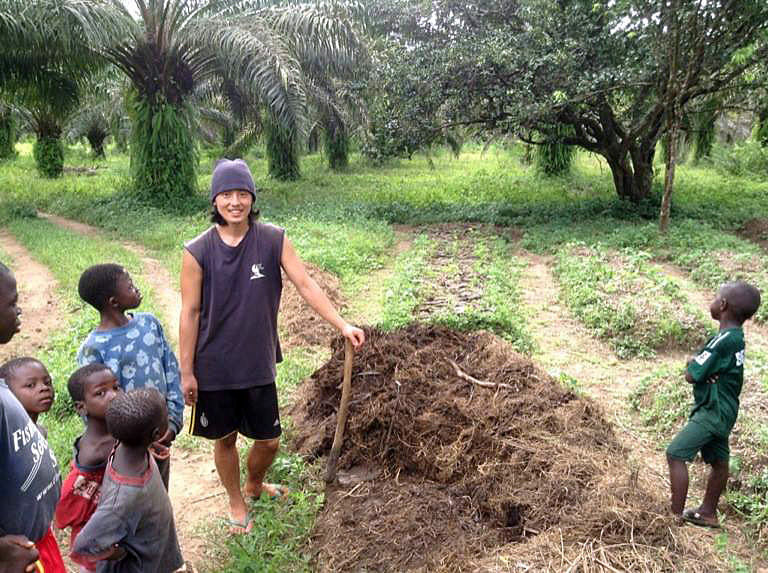
As a global network, WWOOF (World Wide Opportunities on Organic Farms) brings together organic farmers from around the world with young travelers who want to experience rural life in exchange for helping out on farms. The concept is simple: in return for room and board, individuals can volunteer on a farm, gaining hands-on experience with sustainable farming practices.
What Makes WWOOF Special?
One of the most significant benefits of WWOOF is its focus on promoting a lifestyle that values the importance of agriculture and sustainability. By working together, members can share knowledge, skills, and experiences, ultimately contributing to a more environmentally conscious society.
WWOOF’s global network allows individuals to connect with like-minded people from different cultures, fostering a sense of community and mutual understanding. Whether it’s learning new farming techniques or simply enjoying the beauty of nature, WWOOF offers an opportunity for personal growth and development.
Eligibility and Requirements
While being young may not be a requirement, many members are in their 20s and 30s. Similarly, fluency in English is not necessary, as many farms provide language support or opportunities to learn new languages during the stay.
The only requirements are a passion for farming, an understanding of organic principles, and a willingness to learn. Members must also be at least 18 years old (21 in some countries).
How WWOOF Works
In Italy, where the network has gained recognition as a formal organization, members can participate in various activities, including farm stays, language exchange programs, and cultural events. The program allows individuals to choose from a variety of hosts, ranging from organic farmers to rural communities.
WWOOF’s organizational structure consists of members who act as “WWOOFers” (volunteers) and hosts who manage the farms. The organization provides a platform for these two groups to connect, ensuring that both parties have access to essential resources, such as insurance coverage for accidents and liability.
The Benefits of WWOOF
By participating in WWOOF, individuals can:
- Gain hands-on experience with sustainable farming practices
- Learn new skills and techniques from experienced farmers
- Connect with like-minded people from around the world
- Explore different cultures and ways of life
- Develop a deeper understanding of organic principles and their importance
Real-Life Examples: Stories of WWOOFers
One example of a successful WWOOF experience is that of Cassie, a British traveler who stayed at Cascina Bagaggera, an organic farm in Rovagnate (LC), Italy. After volunteering for several months, she decided to stay on and contribute her skills and knowledge to the farm.
Another example is that of Thomas, a German volunteer who joined WWOOF after finishing his education. He spent six months working at a farm in New Zealand, where he learned about permaculture and developed new skills in organic farming.
The Benefits for Host Farms
Host farms also benefit from having WWOOF members on their land. They can:
- Gain new skills and perspectives through the exchange of knowledge
- Access to fresh ideas and innovative methods
- Contribute to the development of sustainable agriculture practices
Getting Involved: A Guide to WWOOF
If you’re interested in joining WWOOF, here are some steps to get started:
- Research local hosts and farms: Look for farms that align with your interests and values.
- Apply for membership: Register as a WWOOFer or host on the official website.
- Prepare for your stay: Learn about organic farming practices and cultural norms before arriving at your host farm.
- Stay in touch: Keep in contact with other members and hosts through online forums and social media channels.
FAQs: Frequently Asked Questions About WWOOF
- Q: What is the minimum age requirement for joining WWOOF?
A: 18 years old (21 in some countries) - Q: Do I need to speak English to participate in WWOOF?
A: No, many farms provide language support or offer opportunities to learn new languages. - Q: How do I find a host farm through WWOOF?
A: Research local hosts and farms on the WWOOF website or social media channels. - Q: What kind of insurance coverage is provided by WWOOF?
A: Members have access to essential insurance coverage for accidents and liability. - Q: Can I stay with a specific host farm or community?
A: Yes, many members choose their hosts in advance through the WWOOF website. - Q: How long can I stay at a host farm?
A: The length of your stay varies depending on the host farm and your individual needs. - Q: Can I bring my family or partner with me to the host farm?
A: Some host farms may allow families or partners to join, but it’s essential to check beforehand. - Q: Is WWOOF a formal organization recognized by law?
A: Yes, in some countries, WWOOF has gained recognition as a formal organization.
WWOOF Around the World
From Europe to Asia, Africa and South America, WWOOF has established itself as a global network of organic farmers and young travelers. Some countries with active WWOOF programs include:
- Italy: With over 100 registered host farms, Italy is one of the most popular destinations for WWOOFers.
- Germany: Germany has a thriving WWOOF community, with many members participating in farm stays and language exchange programs.
- France: French farms offer a unique opportunity to experience organic farming practices and learn about sustainable agriculture methods.
- Australia: Australian farmers are committed to sustainable agriculture, making it an ideal destination for WWOOFers interested in permaculture and regenerative farming.
WWOOF’s Impact on the Environment
By promoting sustainable agriculture practices and supporting local communities, WWOOF plays a significant role in protecting the environment. Some of the ways WWOOF contributes to environmental conservation include:
- Reducing carbon footprint: By reducing transportation costs and using public transportation, WWOOF members help minimize their impact on the environment.
- Promoting biodiversity: Many host farms focus on organic and permaculture methods, which help preserve biodiversity and promote ecosystem health.
- Supporting local economies: WWOOFers contribute to local communities by buying produce from the farm and supporting small-scale agriculture.
Challenges Facing WWOOF
While WWOOF has made significant contributions to sustainable agriculture and environmental conservation, there are also challenges facing the organization. Some of these challenges include:
- Balancing economic viability with social responsibility: Many host farms struggle to make ends meet while providing room and board for WWOOF members.
- Addressing cultural differences: Cultural exchange programs can be challenging, particularly when dealing with language barriers or different values and customs.
- Managing member expectations: WWOOFers often have high expectations about their experience, which can lead to disappointment if not managed effectively.
Conclusion
WWOOF has become a vital platform for connecting organic farmers and young travelers from around the world. By promoting sustainable agriculture practices, supporting local communities, and fostering cultural exchange, WWOOF contributes significantly to environmental conservation and social responsibility.


