
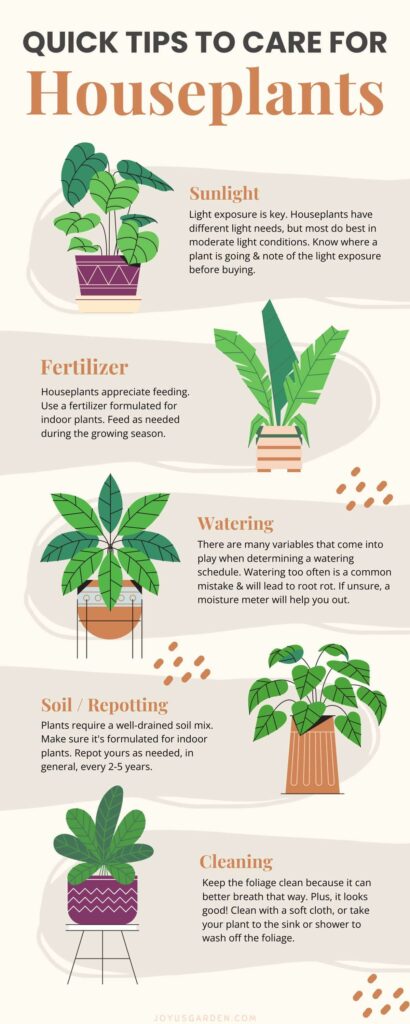
As we spend more time indoors, it’s becoming increasingly important to bring some greenery into our homes. But before you start potting up your living room, let’s get one thing straight: indoor plants aren’t like their outdoor counterparts. They don’t love direct sunlight, and that’s just the beginning.
The Sun Can Be a Bit Too Much
While succulents and cacti are happy to bask in the sun’s warm rays, most other plants prefer a more gentle approach. This means keeping them away from direct sunlight, which can cause scorching or even burn their delicate leaves. However, this doesn’t mean they don’t need any light at all! Some plants, like croton, dieffenbachia, and dracena, love to be near windows that catch the sun’s rays, as long as they’re protected from harsh direct sunlight by sheer curtains.
Understanding Light Requirements
Before we dive into the nitty-gritty of plant care, it’s essential to understand the different types of light your plants need. There are three main categories:
- Bright Light: Direct sunlight or south-facing windows (4-6 hours a day)
- Medium Light: East- or west-facing windows (2-4 hours a day)
- Low Light: North-facing windows, shaded areas, or low-light conditions (< 2 hours a day)
The Risks of Neglecting Indoor Plants
So, what happens when we neglect our indoor plants? For starters, there’s the risk of drying out the soil. While it might seem counterintuitive, overwatering can be just as damaging as underwatering. Then there’s the issue of heat sources like radiators and heaters, which can dry out the air and cause stress to our poor plant friends. And let’s not forget about drafts from open windows or doors, which can make plants shiver with fear!
Common Mistakes to Avoid
So, what are some common mistakes you can make when caring for indoor plants? Here are a few:
- Overwatering or underwatering
- Leaving plants in direct sunlight
- Not providing enough humidity
- Fertilizing too frequently
The Ideal Temperature for Indoor Plants
So, what’s the perfect temperature for our indoor plants? It’s surprisingly simple: between 15-18°C (59-64°F). Yes, you read that right – cooler temperatures are best for most plants. Some species, like flowers, azaleas, and cyclamens, can’t handle high temperatures and will wither away if the temperature gets too hot.
The Power of Humidification
But what about humidity? Indoor plants love a good misting, especially when they’re exposed to warm air from radiators or heaters. This is where humidifiers come in – they’re not just for relieving congestion; they can also help keep our plant friends happy and healthy!
Watering 101: The Right Amount of H2O
Now, let’s talk about watering. It’s easy to get this wrong, but the key is finding that sweet spot between dry and soggy. Most plants prefer a moist, but not soaking wet, environment. In fact, some plants with fuzzy leaves (like African violets) need to be dried off after watering to prevent fungal diseases.
Fertilizing: The Art of Giving Your Plants a Boost
Fertilizing is an art that requires patience and practice. Different plant species have different needs, so it’s essential to research what works best for your plants. Some plants go dormant during the winter months, while others are always ready to receive a nutrient-rich boost.
Choosing the Right Fertilizer
When selecting a fertilizer, consider the following factors:
- Type: Choose between organic or synthetic fertilizers
- pH Level: Ensure the pH level of the fertilizer matches your plant’s needs (most plants prefer a slightly acidic to neutral environment)
- Nutrient Content: Select a balanced fertilizer with equal amounts of nitrogen, phosphorus, and potassium
Top Tips for Indoor Plant Success
Here are a few expert tips to help you grow happy, healthy indoor plants:
- Use sheer curtains to filter direct sunlight
- Rotate your plants regularly to ensure even growth
- Misting is key – especially in warm environments
- Research specific fertilization needs for each plant species
- Don’t overwater or underwater!
Propagation Techniques
One of the most exciting aspects of indoor plant care is propagation. By learning how to propagate new plants from existing ones, you can share your favorite plants with friends and family, or even create a mini indoor jungle.
Some popular propagation techniques include:
- Stem Cuttings: Take 4-6 inch stem cuttings from mature plants and root them in water or soil
- Leaf Propagation: Remove healthy leaves from mature plants and use them to create new plants (this method works for plants like spider plants and pothos)
- Division: Divide established plants into smaller sections, making sure each section has at least one growing point
Common Indoor Plant Problems
Even with proper care, indoor plants can still experience problems. Here are some common issues:
- Yellowing Leaves: Can be caused by overwatering, underwatering, or exposure to too much direct sunlight
- Brown Edges: Can be caused by dry air, under-watering, or root bound conditions
- Pests: Can be caused by spider mites, mealybugs, or scale
Common Indoor Plant Pests
Some common indoor plant pests include:
- Spider Mites: Tiny, spider-like insects that feed on plant sap
- Mealybugs: Small, white, cottony insects that feed on plant sap
- Scale: Armored insects that feed on plant sap and can cause stunted growth
Common Indoor Plant Diseases
Some common indoor plant diseases include:
- Root Rot: A fungal disease caused by overwatering or poor drainage
- Leaf Spot: A fungal disease caused by wet conditions, low temperatures, or lack of air circulation
- Powdery Mildew: A fungal disease caused by high humidity and poor air circulation
How to Treat Common Indoor Plant Problems
Here are some tips for treating common indoor plant problems:
- Yellowing Leaves: Prune off yellow leaves and adjust watering schedule
- Brown Edges: Repot the plant in fresh soil, increasing water and fertilization
- Pests: Spray plants with insecticidal soap or neem oil to control pests
Conclusion
Indoor plants can bring a touch of nature into our lives, but they require some TLC. By understanding the basics of plant care, from light to fertilizer, we can create a harmonious home environment that promotes growth and well-being.
FAQs
- Q: What’s the best way to fertilize my indoor plants?
A: Research specific fertilization needs for each plant species and follow their guidance. - Q: How often should I water my indoor plants?
A: Check the soil moisture by sticking your finger in it – if it feels dry, it’s time to water! - Q: Can I use tap water on my indoor plants?
A: It’s best to use filtered or distilled water to avoid any potential chemicals or impurities. - Q: How often should I mist my indoor plants?
A: Mist your plants regularly, especially in warm environments, to maintain humidity and prevent dryness. - Q: What’s the ideal temperature for my indoor plants?
A: Between 15-18°C (59-64°F) is perfect for most plant species. - Q: Can I leave my indoor plants in direct sunlight?
A: No, it’s best to filter direct sunlight with sheer curtains or blinds. - Q: How can I propagate new plants from existing ones?
A: Research specific propagation techniques for each plant species and follow their guidance.
Happy planting, and don’t forget to share your indoor plant adventures with us!


