
As a responsible dog owner, it’s essential to be aware of the signs and symptoms of canine epilepsy. This complex condition can manifest in various ways, making it challenging to diagnose and treat. In this article, we’ll delve into the world of canine epilepsy, exploring its causes, symptoms, diagnosis, treatment options, and more.
What is Canine Epilepsy?
Canine epilepsy is a neurological disorder characterized by recurrent seizures or convulsions. These episodes can range from mild to severe and may be accompanied by other symptoms such as changes in behavior, mood, or physical reactions. While the exact cause of canine epilepsy is still unknown, research suggests that it’s linked to an abnormal increase in brain activity.
Types of Canine Epilepsy
Canine epilepsy can be categorized into two main types:
- Idiopathic Epilepsy: This type is caused by genetic factors and is more common in certain breeds.
- Secondary Epilepsy: This type is caused by underlying medical conditions, such as brain trauma, tumors, or infections.
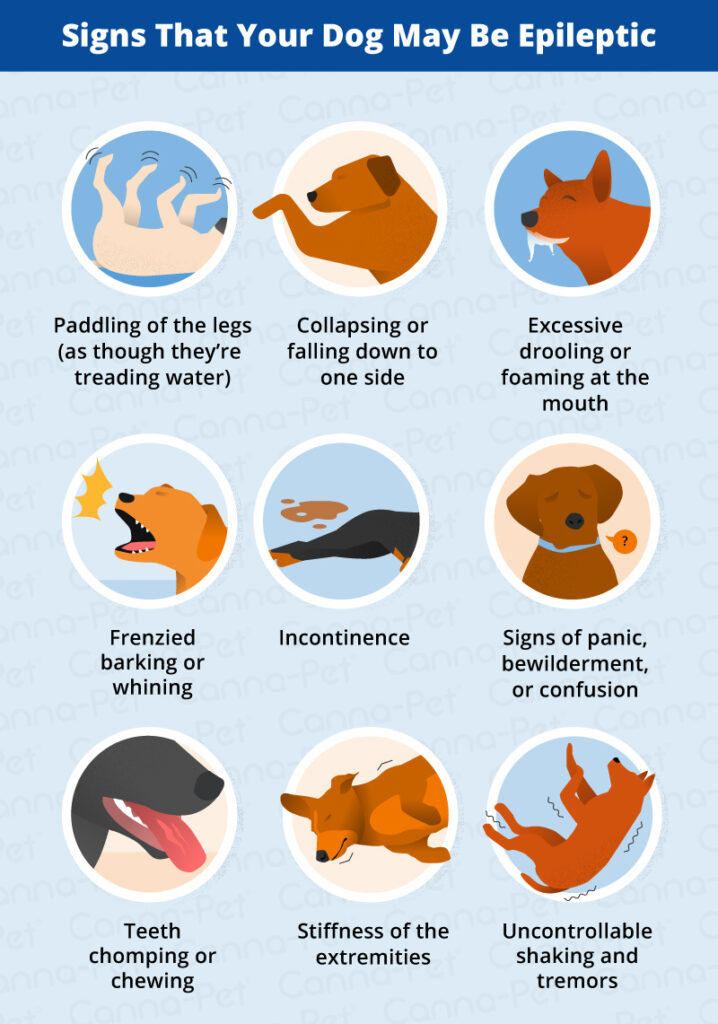
Symptoms of Canine Epilepsy
The symptoms of canine epilepsy can vary depending on the severity of the seizures. Some common signs include:
- Impulsive behavior
- Restlessness or hyperactivity
- Abnormal vocalization or barking
- Changes in appetite or water intake
- Increased anxiety or fearfulness
Diagnosing Canine Epilepsy
If you suspect that your dog is experiencing seizures, it’s crucial to consult with a veterinarian. The diagnosis process typically involves:
- Physical Examination: A thorough examination of your dog’s physical condition.
- Blood Tests: Blood samples may be collected to check for underlying medical conditions.
- Imaging Studies: X-rays, CT scans, or MRI scans may be performed to rule out any structural abnormalities in the brain.
- Electroencephalogram (EEG): An EEG test measures electrical activity in the brain.
Treatment Options
The treatment for canine epilepsy depends on the underlying cause and severity of the seizures. Your veterinarian may prescribe:
- Anticonvulsant Medications: These medications can help reduce seizure frequency and severity.
- Surgery: In some cases, surgery may be recommended to remove a tumor or other abnormal tissue.
Managing Canine Epilepsy
If your dog is diagnosed with epilepsy, there are steps you can take to manage the condition:
- Maintain a Regular Schedule: Establishing a daily routine can help reduce anxiety and stress.
- Provide a Safe Environment: Remove any potential hazards that could cause injury during seizures.
- Monitor Seizure Frequency: Keep track of seizure frequency and severity to adjust treatment plans as needed.
Frequently Asked Questions
Here are some frequently asked questions related to canine epilepsy:
- Q: What is the prognosis for dogs with epilepsy?
A: With proper treatment and management, many dogs with epilepsy can lead happy and healthy lives. - Q: Can dogs with epilepsy still live a normal life?
A: Yes, with proper care and attention, dogs with epilepsy can still enjoy a fulfilling life. - Q: Are there any breed-specific factors that affect canine epilepsy?
A: Certain breeds are more prone to idiopathic epilepsy due to genetic factors.
Conclusion
Canine epilepsy is a complex condition that requires careful diagnosis and treatment. By understanding the causes, symptoms, and management strategies, you can provide the best possible care for your furry friend. If you suspect that your dog may be experiencing seizures, consult with a veterinarian as soon as possible.
Q: Can dogs with epilepsy still have accidents in the house?
A: Yes, dogs with epilepsy can still experience accidents in the house due to loss of coordination and bladder control during seizures.
Q: Are there any natural remedies for canine epilepsy?
A: While some owners may use natural remedies, such as dietary changes or supplements, consult with a veterinarian before making any significant changes to your dog’s diet or treatment plan.
Q: Can dogs with epilepsy still participate in activities like agility training or hiking?
A: It depends on the severity of the seizures and the individual dog’s condition. Consult with a veterinarian to determine the best course of action for your dog.
Q: Are there any specific diets that can help manage canine epilepsy?
A: Some owners report success with managing seizures through dietary changes, such as eliminating grains or adding omega-3 fatty acids. However, consult with a veterinarian before making any significant changes to your dog’s diet.
Q: Can dogs with epilepsy still receive vaccinations?
A: Yes, dogs with epilepsy can still receive vaccinations, but it’s essential to discuss the risks and benefits with a veterinarian.
Q: Are there any specific medications that are safe for dogs with epilepsy?
A: Consult with a veterinarian to determine the best medication options for your dog.
Common Medications Used in Canine Epilepsy
Some common medications used to treat canine epilepsy include:
- Phenytoin: A commonly prescribed anticonvulsant medication.
- Carbamazepine: Another popular anticonvulsant medication.
- Gabapentin: A medication that can help reduce seizure frequency and severity.
Alternative Therapies for Canine Epilepsy
In addition to conventional medications, some owners have reported success with alternative therapies, such as:
- Acupuncture: A holistic treatment that involves inserting small needles into specific points on the body.
- Chiropractic care: A form of manual therapy that aims to improve spinal alignment and reduce stress on the nervous system.
Conclusion
Canine epilepsy is a complex condition that requires careful diagnosis and treatment. By understanding the causes, symptoms, and management strategies, you can provide the best possible care for your furry friend. If you suspect that your dog may be experiencing seizures, consult with a veterinarian as soon as possible.
Q: Are there any specific exercises or activities that can help manage canine epilepsy?
A: Certain exercises, such as swimming or yoga, may help reduce stress and improve overall health in dogs with epilepsy. However, consult with a veterinarian before starting any new exercise program.
Q: Can dogs with epilepsy still receive dental care?
A: Yes, dogs with epilepsy can still receive regular dental care, but it’s essential to discuss the risks and benefits with a veterinarian.
Q: Are there any specific products that can help manage canine epilepsy?
A: Some owners have reported success with using products such as pheromone diffusers or calming treats to help manage anxiety and stress in dogs with epilepsy. However, consult with a veterinarian before making any significant changes to your dog’s treatment plan.
Conclusion
Canine epilepsy is a complex condition that requires careful diagnosis and treatment. By understanding the causes, symptoms, and management strategies, you can provide the best possible care for your furry friend. If you suspect that your dog may be experiencing seizures, consult with a veterinarian as soon as possible.
Q: Are there any specific products that can help manage canine epilepsy?
A: While some owners may use products such as pheromone diffusers or calming treats to help manage anxiety and stress in dogs with epilepsy, consult with a veterinarian before making any significant changes to your dog’s treatment plan.
Conclusion
Canine epilepsy is a complex condition that requires careful diagnosis and treatment. By understanding the causes, symptoms, and management strategies, you can provide the best possible care for your furry friend. If you suspect that your dog may be experiencing seizures, consult with a veterinarian as soon as possible.


