
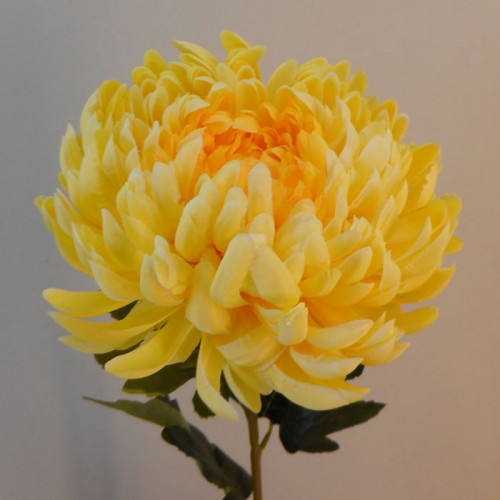
As we walk through the vibrant streets of any city, it’s easy to overlook the subtle beauty that surrounds us. But have you ever stopped to appreciate the humble yellow chrysanthemum? This flower has a rich history, spanning centuries and continents, with meanings that vary across cultures. In this article, we’ll delve into the fascinating world of yellow chrysanthemums, exploring their origins, characteristics, care, significance, and symbolism.
A Brief History of Chrysanthemums
Chrysanthemums are perennial plants native to Asia, but they’ve also been cultivated in Europe for centuries. These flowers have a special place in both Italian and Eastern cultures, with distinct meanings that set them apart. In Italy, yellow chrysanthemums are commonly used as ornamental plants, while in Asia, they’re valued for their edible leaves.
Characteristics of Chrysanthemums
These flowers are known for their bright yellow petals, which resemble small marguerites. The individual florets are extremely fine and delicate, creating a mesmerizing effect that seems almost like one giant flower. As the sun shines through, the petals unfold, revealing the golden centers within. This striking design has made chrysanthemums a popular choice for floral arrangements and bouquets.
Types of Yellow Chrysanthemums
While many species are hybrids, most yellow chrysanthemums originate from two Asian species: Chrysanthemum indicum and Chrysanthemum morifolium. The former is often used in tea and as a medicinal plant, while the latter is prized for its edible leaves.
Care and Cultivation
Yellow chrysanthemums are relatively easy to care for. To get them started, choose varieties from reputable nurseries or seed suppliers. Planting seeds in spring works well, but be aware that some hybrids may struggle with growth due to their large inflorescences. When caring for these plants, provide full sun and fertile soil with excellent drainage.
The Significance of Yellow Chrysanthemums
While the color yellow is often associated with happiness and sunshine, chrysanthemums have a more complex meaning in both Italian and Eastern cultures. In Italy, they’re seen as symbols of death, while in Asia, they represent joy and prosperity. The name “chrysanthemum” itself comes from Greek, translating to “golden flower.”
Symbolism and Meaning
In Western culture, the color yellow is often linked to optimism and warmth. However, chrysanthemums have a more nuanced symbolism:
- Yellow represents love and carelessness
- Red symbolizes intense passion
- White stands for grief or heartache
On the other hand, in Eastern cultures:
- The flower is associated with joy and success
- In Japan, it’s linked to the sun and imperial authority
The Fascinating Case of Chrysanthemums
Chrysanthemums have a special place in both Italian and Asian cultures. While they’re often used as ornamental plants, their edible leaves can be consumed as spinach or added to dishes like bok choy.
When growing yellow chrysanthemums, keep in mind that some hybrids may need more care due to their large inflorescences.
Caring for Your Yellow Chrysanthemum Plants
To ensure your plants thrive, follow these tips:
- Provide Full Sun: Chrysanthemums require at least 6 hours of direct sunlight per day. This will help them grow tall and healthy.
- Water Regularly: Water your chrysanthemums when the top inch of soil feels dry to the touch. Avoid overwatering, as this can lead to root rot and other issues.
- Use Well-Draining Soil: Chrysanthemums prefer soil that drains well, which will prevent waterlogged roots and promote healthy growth.
Common Problems with Yellow Chrysanthemum Plants
While chrysanthemums are generally easy to care for, there are a few common problems to watch out for:
- Pests: Aphids, whiteflies, and spider mites can all infest chrysanthemum plants. Use neem oil or insecticidal soap to control these pests.
- Diseases: Fungal diseases like powdery mildew and rust can affect chrysanthemums. Remove infected leaves and treat with fungicides if necessary.
Conclusion
Yellow chrysanthemums are a fascinating flower with complex meanings and symbolic significance. From their origins in Asia to their widespread cultivation in Europe, these flowers have captured the hearts of many. Whether you appreciate their delicate beauty or symbolism, yellow chrysanthemums continue to inspire and captivate us.
Frequently Asked Questions
- Q: What are the benefits of eating chrysanthemum leaves?
A: Chrysanthemum leaves contain antioxidants, flavonoids, and vitamins that can help protect against cancer and cardiovascular disease. - Q: How often should I water my yellow chrysanthemums?
A: Water your chrysanthemums when the top inch of soil feels dry to the touch. Avoid overwatering, as this can lead to root rot and other issues. - Q: Can I grow chrysanthemums indoors?
A: Yes, you can grow chrysanthemums in pots on a sunny windowsill or under grow lights. Provide them with well-draining soil and regular watering for optimal growth. - Q: What is the average lifespan of a chrysanthemum plant?
A: Chrysanthemum plants typically live between 3 to 5 years, depending on factors like climate, care, and variety. - Q: Can I use chrysanthemums as ornamental plants in my garden?
A: Yes, yellow chrysanthemums are a popular choice for gardens due to their vibrant color and long-lasting blooms.


