
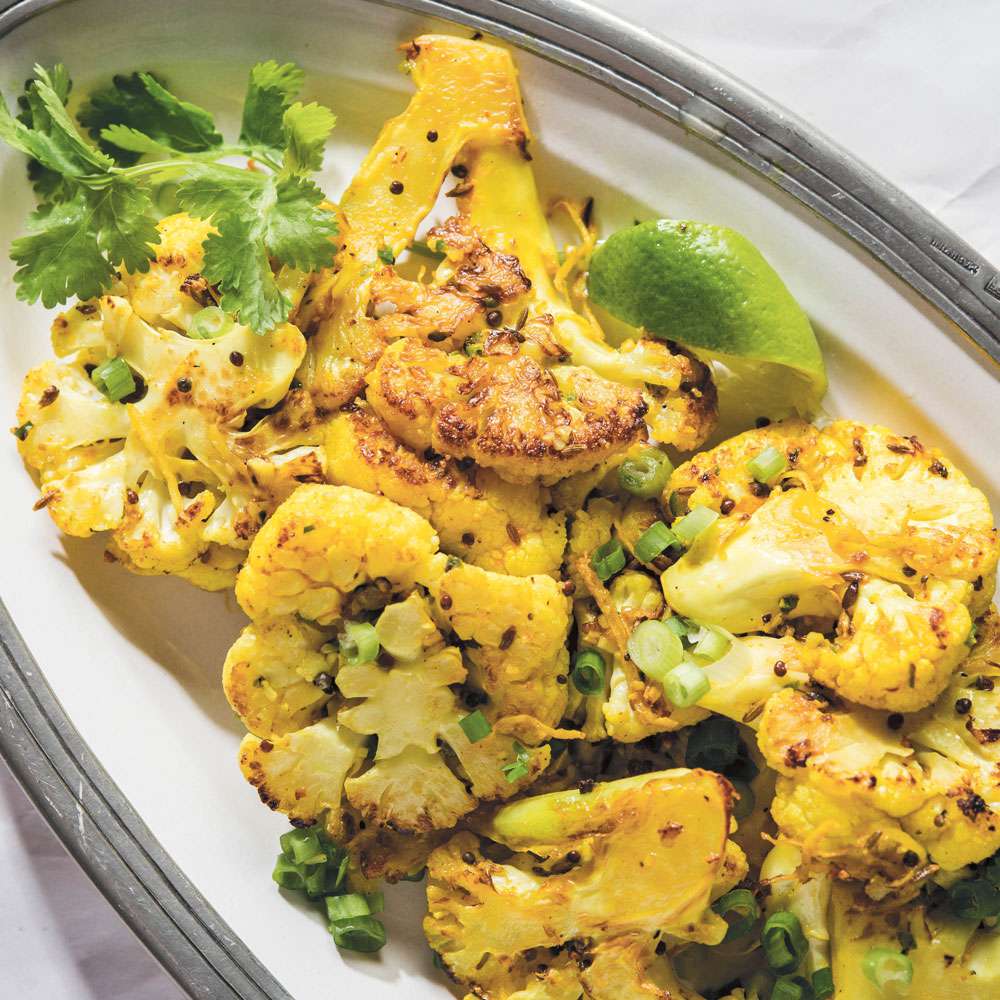
Are you looking for a quick, easy, and nutritious recipe to add some excitement to your meals? Look no further than cauliflower in a pan! This versatile vegetable is not only delicious but also packed with health benefits, making it an excellent addition to any meal. In this article, we will explore the world of cauliflower in a pan, including its history, nutritional benefits, and several recipe variations.
What is Cauliflower?
Cauliflower is a cruciferous vegetable that belongs to the Brassica family. It is a cool-season crop that is native to the Mediterranean region and is now grown worldwide for its edible flowers, leaves, and stems. Cauliflower is a nutrient-dense food, rich in vitamins C and K, folate, and fiber, making it an excellent choice for those looking to incorporate more vegetables into their diet.
The Benefits of Cauliflower
Cauliflower has been shown to have numerous health benefits, including:
- Lowering cholesterol levels
- Regulating blood sugar levels
- Supporting cancer prevention
- Aiding in weight loss
These benefits make cauliflower an excellent addition to any meal, and it’s no wonder why it’s becoming increasingly popular in health-conscious households.
The History of Cauliflower
Cauliflower has been cultivated for over 2,000 years, originating in the Mediterranean region. The Romans are credited with being the first to cultivate cauliflower as a food source. It was later introduced to Europe by the Arabs and became a staple in many European cuisines.
In the United States, cauliflower was introduced by early colonists from England and quickly gained popularity due to its mild flavor and versatility in cooking. Today, cauliflower is grown worldwide and can be found in most supermarkets.
Nutritional Benefits of Cauliflower
Cauliflower is an excellent source of vitamins C and K, folate, and fiber. It also contains a compound called sulforaphane, which has been shown to have anti-inflammatory properties. Here are some other nutritional benefits of cauliflower:
- Low in calories: 1 cup of cauliflower contains only 25 calories
- High in water content: Cauliflower is made up of about 92% water
- Good source of antioxidants: Cauliflower contains a range of antioxidants, including vitamin C and beta-carotene
Recipe Variations
While the basic recipe for cauliflower in a pan is simple and delicious, there are many ways to customize it to suit your tastes. Here are some ideas:
- Roasted Cauliflower: Roast cauliflower florets in the oven with olive oil, salt, and pepper until tender and golden brown.
- Cauliflower Gratin: Top cauliflower with grated cheese and breadcrumbs for a creamy, cheesy side dish.
- Stuffed Cauliflower: Stuff cauliflower florets with a mixture of cooked rice, ground meat, and spices for a hearty, filling meal.
Conclusion
In conclusion, cauliflower is a delicious and nutritious vegetable that’s perfect for anyone looking to add some excitement to their meals. With its numerous health benefits, versatility in cooking, and ease of preparation, it’s no wonder why it’s becoming increasingly popular worldwide. Whether you’re a seasoned chef or just starting out, our simple recipe for cauliflower in a pan is sure to impress.
Tips for Cooking Cauliflower
Here are some tips for cooking cauliflower:
- Choose fresh cauliflower: Look for firm, compact heads with tightly closed buds.
- Clean and trim: Remove any stems or leaves from the cauliflower before cutting it into florets.
- Cook until tender: Cook cauliflower until it’s tender but still crisp, as overcooking can make it mushy.
Common Mistakes to Avoid
Here are some common mistakes to avoid when cooking cauliflower:
- Overcooking: Cauliflower can become mushy if overcooked. Aim for a tender but still crisp texture.
- Not seasoning enough: Add plenty of salt and pepper to bring out the natural flavor of the cauliflower.
- Not using fresh ingredients: Use fresh, high-quality ingredients to ensure the best flavor and nutrition.
By following these tips and avoiding common mistakes, you’ll be well on your way to becoming a cauliflower expert!


