
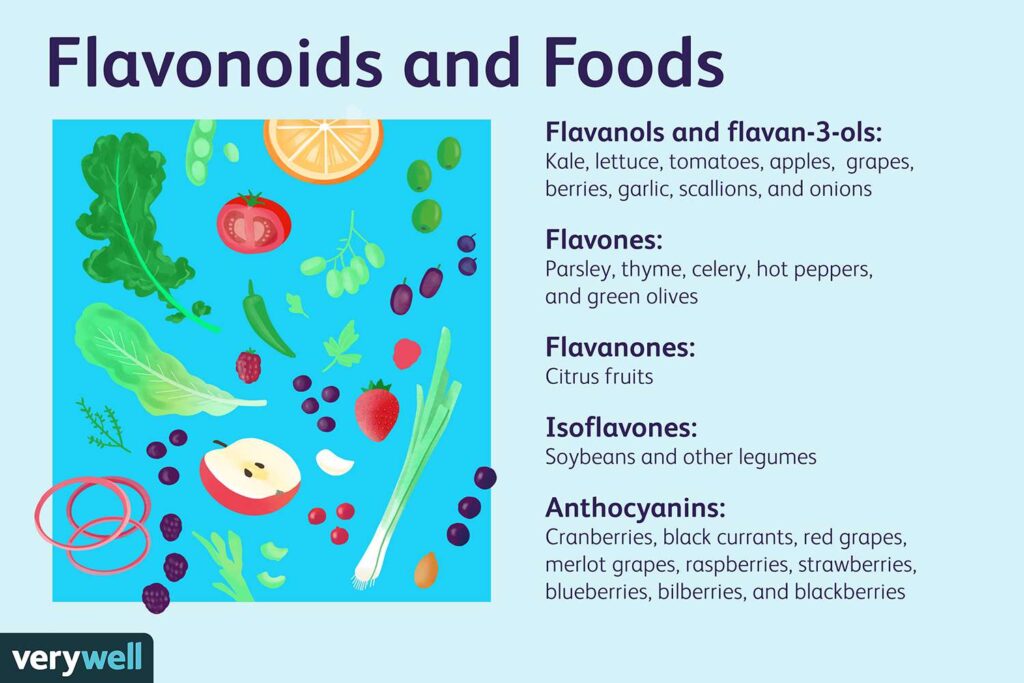
Flavonoids, often overlooked in favor of other nutrient-dense compounds, hold a wealth of health benefits that make them an essential part of a balanced diet. Found in fruits, vegetables, herbs, and beverages, these natural wonders have been protecting our bodies from damage for centuries.
What are Flavonoids?
Flavonoids, also known as bioflavonoids, are a class of plant compounds that have gained significant attention in recent years due to their impressive antioxidant properties. With over 5,000 identified compounds, each with unique characteristics, flavonoids play a vital role in maintaining optimal health.
The Science Behind Flavonoid Antioxidants
Antioxidants, like flavonoids, help neutralize free radicals – unstable molecules that can cause oxidative stress and damage to our cells. By blocking these rogue molecules, flavonoids safeguard against chronic degenerative diseases, such as heart disease, cancer, and cognitive decline.
The Benefits of Flavonoids: Unlocking Their Potential
Flavonoids have been shown to:
- Enhance liver function and protect it from toxins
- Boost immune system performance
- Improve capillary health and microcirculation
- Prevent cardiovascular and inflammatory diseases
- May even offer anti-cancer properties
Top 5 Flavonoid-Rich Foods
Discover the top foods that are bursting with flavonoids:
- Artichokes: Stimulate liver function, protect against toxins, and promote overall well-being.
- Green Tea: Rich in antioxidants, green tea is prized for its anti-aging properties and immune system support.
- Grape Seed Extract: Plays a protective role on microcirculation and offers cardiovascular benefits when consumed with vitamin C.
- Red Wine (in moderation): Contributes to cardiovascular health and may even reduce the risk of certain cancers.
- Dark Chocolate: Packed with flavonoids, dark chocolate is not only delicious but also supports heart health.
Beyond Food: Exploring Other Flavonoid Sources
Did you know that:
- Leafy greens like broccoli, spinach, and tomatoes are packed with flavonoids?
- Seeds, bark, and roots of various plants contain these compounds?
- Beverages like tea, fruit juice, and red wine are also rich in flavonoids?
Supplements: A Convenient Way to Boost Your Flavonoid Intake
For those struggling to get enough flavonoids through their diet, supplements can be a convenient alternative. Look for products that combine flavonoids with other essential nutrients, like vitamin C.
How to Choose the Best Flavonoid Supplements
When selecting a flavonoid supplement, consider the following factors:
- Source: Opt for high-quality sources, such as organic fruits and vegetables or pharmaceutical-grade extracts.
- Formulation: Ensure the product is well-formulated with other nutrients that complement flavonoids’ benefits.
- Bioavailability: Look for products that enhance bioavailability, ensuring your body can absorb the flavonoids effectively.
- Third-party testing: Choose supplements that have undergone rigorous third-party testing to ensure purity and potency.
Flavonoid Interactions: Understanding Potential Effects
While flavonoids are generally considered safe, they may interact with certain medications or exacerbate underlying health conditions. Be aware of potential interactions:
- Blood thinners: Grape seed extract may increase the risk of bleeding when combined with anticoagulants.
- Diabetes medications: Flavonoids may affect blood sugar levels in individuals with diabetes.
- Allergies: Some people may experience allergic reactions to specific flavonoid compounds.
Top 5 Flavonoid-Rich Foods for Specific Health Benefits
Discover foods that offer unique health benefits due to their high flavonoid content:
- Blueberries (brain health and cognitive function)
- Pomegranates (cardiovascular health and anti-inflammatory effects)
- Cranberries (urinary tract health and prevention of UTIs)
- Apples (digestive health and antioxidant properties)
- Grapes (anti-cancer properties and cardiovascular benefits)
Unlocking the Power of Flavonoids in Your Daily Life
Incorporate flavonoids into your daily routine through:
- Eating a balanced diet rich in flavonoid-rich foods
- Drinking green tea or other antioxidant-rich beverages
- Taking supplements, if necessary
- Exploring new recipes that feature flavonoid-rich ingredients
Conclusion: Unlock the Power of Flavonoids Today
Flavonoids are a treasure trove of antioxidants, offering a wealth of health benefits that can transform your well-being. By incorporating these natural superheroes into your diet and lifestyle, you’ll be unlocking a world of wellness possibilities.
Frequently Asked Questions (FAQs)
- What is the best way to consume flavonoids for optimal health benefits?
A balanced diet rich in flavonoid-rich foods is essential. Supplements can also support your daily intake. - Can I get enough flavonoids from a single food source?
While individual foods are rich in flavonoids, combining multiple sources will provide the most comprehensive benefits. - Are all flavonoids created equal?
Each compound has unique characteristics and health benefits, so it’s essential to explore different types and sources. - Can I use flavonoid supplements if I’m pregnant or breastfeeding?
Consult with your healthcare provider before taking any supplements during pregnancy or lactation. - How much vitamin C should I consume with grape seed extract for optimal benefits?
Typically, a small amount of vitamin C is recommended to enhance the bioavailability of grape seed extract. - Can flavonoids help reduce inflammation?
Yes, flavonoids have been shown to exhibit anti-inflammatory properties, which can contribute to overall well-being. - What are some potential side effects of high-flavonoid consumption?
Generally, flavonoids are considered safe and non-toxic in moderation. However, excessive consumption may cause stomach upset or interact with certain medications. - Can flavonoids help manage chronic diseases?
While flavonoids offer impressive health benefits, they should not be relied upon as a sole treatment for chronic diseases. Consult with your healthcare provider for personalized advice.


