
Unlocking the Potential of Waste Energy: A Sustainable Future
Energy from waste, biomass, and thermovalorization is a promising frontier in the renewable energy sector. As we strive to reduce our carbon footprint, harnessing energy from waste materials has become an essential aspect of sustainable development.
The Controversy Surrounding Waste Energy
While transforming waste into energy presents numerous benefits, it also raises concerns about environmental impact and public health. The use of incinerators and thermovalorizers for waste combustion is a contentious issue, as it can lead to air pollution and toxic emissions. On the other hand, biomass utilization has sparked intense debate, with some arguing that it can be a sustainable alternative to fossil fuels.
The Ideal Scenario: Biomass from Public Waste
In an ideal world, energy would be generated from waste biomasses, such as fallen leaves or small-scale gardening waste. However, the collection of these materials is subject to regulations and cannot be easily obtained by private companies operating in the biomass sector. As a result, we need to explore alternative sources of waste energy.
Energy from Waste: Examples and Applications
Several technologies can harness energy from waste:
- Biometanol: A renewable fuel produced from organic waste through a process of dehydration and fermentation.
- Thermotoga Neapolitana: A bacterium that enables the production of electricity from organic waste through biogas fermentation.
- Biometano: A type of biofuel derived from biogas generated during the anaerobic digestion of organic waste.
- Biogas: A mixture of methane and carbon dioxide produced through anaerobic digestion, which can be converted into energy.
A New Frontier: Biogas and Thermovalorization
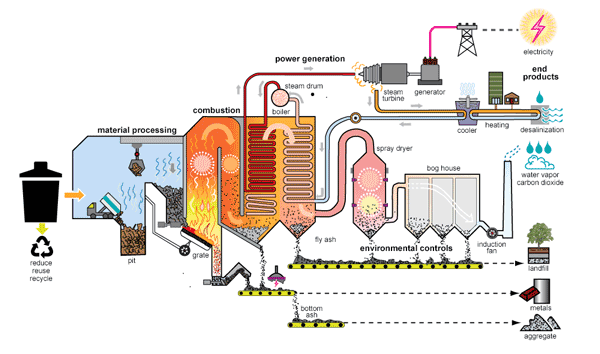
The biogas industry has made significant progress in recent years, with advancements in technology and efficiency. Thermovalorization, on the other hand, is a relatively new method for generating electricity from waste materials. While it raises concerns about environmental impact, some argue that it can be a more efficient alternative to traditional incineration methods.
The Role of Biomass in Energy Production
Biomass-based power plants have the potential to play a significant role in energy production, particularly when utilizing waste wood and agricultural residues as fuels. However, the industry must address concerns about air pollution and greenhouse gas emissions associated with biomass combustion.
Transferring Waste Oil into Biodiesel
The use of waste oil to produce biodiesel is an attractive option for reducing energy consumption. This byproduct can be transformed into a renewable fuel or used directly in power plants to generate electricity through combustion.
Incineration: A Limited Solution
While incinerators can provide temporary relief from waste management issues, they are not a sustainable solution due to their environmental impact and potential health risks. The use of thermovalorizers for waste combustion is also controversial, with some arguing that it can be an efficient alternative to traditional incineration methods.
Conclusion: Embracing Sustainable Energy Solutions
As we navigate the complexities of energy production, it’s essential to acknowledge the limitations and challenges associated with harnessing energy from waste. By adopting a multifaceted approach that incorporates biomass, biogas, and thermovalorization, we can create a more sustainable future for generations to come.
Frequently Asked Questions
- Q: What are the benefits of using waste energy?
A: Waste energy can provide renewable energy sources, reduce greenhouse gas emissions, and promote sustainable development. - Q: How can we ensure that biomass-based power plants minimize environmental impact?
A: Implementing regulations, investing in pollution control systems, and utilizing renewable fuels can help mitigate the negative effects of biomass combustion. - Q: What is biometanol, and how is it produced?
A: Biometanol is a renewable fuel derived from organic waste through dehydration and fermentation processes. - Q: Can thermovalorization be an efficient alternative to traditional incineration methods?
A: While thermovalorization raises concerns about environmental impact, some argue that it can be a more efficient solution due to its lower emissions levels. - Q: How can we reduce waste oil consumption and promote sustainable energy solutions?
A: Implementing recycling programs, reducing energy consumption, and promoting the use of renewable fuels can help minimize waste oil usage. - Q: What is biogas, and how is it produced?
A: Biogas is a mixture of methane and carbon dioxide generated through anaerobic digestion, which can be converted into energy. - Q: Can biomass-based power plants play a significant role in reducing greenhouse gas emissions?
A: Yes, by utilizing waste wood and agricultural residues as fuels, biomass-based power plants can contribute to a reduction in greenhouse gas emissions. - Q: What are the potential health risks associated with thermovalorization?
A: While thermovalorization raises concerns about air pollution, some argue that it is a safer alternative to traditional incineration methods due to lower emissions levels. - Q: How can we promote sustainable energy solutions and reduce waste oil consumption?
A: Implementing recycling programs, reducing energy consumption, and promoting the use of renewable fuels can help minimize waste oil usage and promote sustainable energy solutions.


