
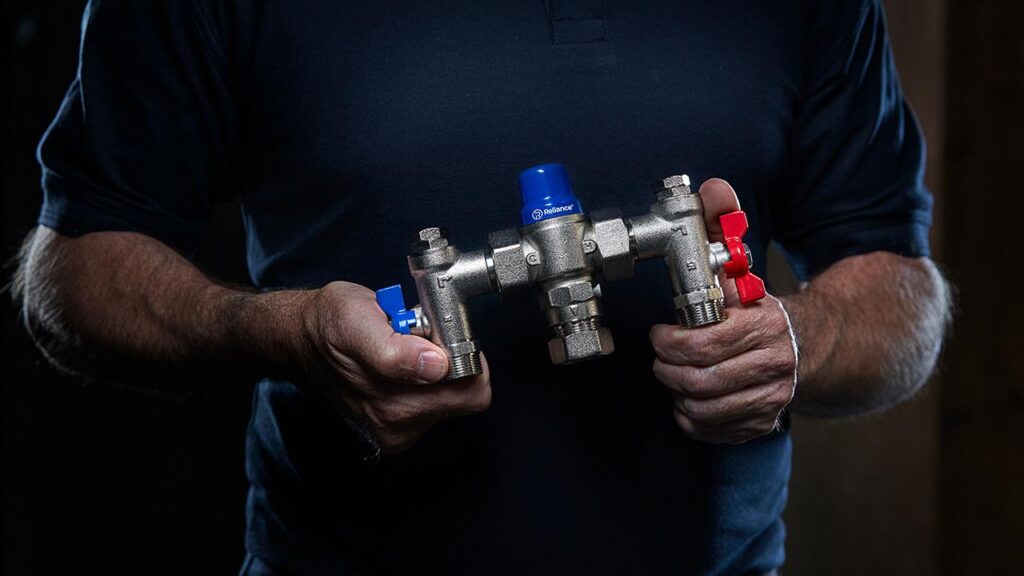
As of December 31, 2016, it is mandatory to install thermostatic valves on every thermostat in buildings with centralized heating. This article will explain the benefits, costs, and installation process of thermostatic valves, as well as provide tips on how to optimize their use.
What are Thermostatic Valves?
Thermostatic valves are mechanical devices that regulate temperature distribution between rooms in a building, excluding the thermostat once it reaches the set temperature. They help optimize energy consumption by ensuring that heat is only distributed where needed. These valves work by measuring the temperature of each room and adjusting the flow rate of hot water to maintain the desired temperature.
When Will Installing Thermostatic Valves Become Mandatory?
According to the 2012/27/EU directive for energy efficiency, by December 31, 2016, it will be mandatory to install thermostatic valves with calorimeter meters on each thermostat in buildings with centralized heating. Failure to comply may result in penalties between €500 and €2,500, depending on regional regulations.
Who Exempts from the Mandatory Installation?
Property owners of self-contained heating systems are exempt from the mandatory installation. Additionally, properties with obsolete, costly, and complex heating systems may also be exempt. These exemptions are in place to ensure that only buildings with suitable infrastructure can benefit from the energy-saving potential of thermostatic valves.
Energy Savings with Thermostatic Valves
Installing thermostatic valves is expected to result in energy savings ranging from 10% to 30%. By optimizing heat distribution, these devices help reduce energy consumption and lower heating bills. The exact amount of savings will depend on factors such as building size, insulation quality, and usage patterns.
Costs of Installing Thermostatic Valves
The cost of installing thermostatic valves can be high, typically between €120 per calorifier. This includes the cost of adapting the building’s piping system to variable flow rates. For example, for a 80m² apartment with six calorifiers, the total cost could be around €1,055.
Impact on Condominium Regulations and Cost Sharing
Installing thermostatic valves will lead to changes in condominium regulations and cost sharing methods. In buildings with centralized heating, costs will be shared based on a specific millennial table. Residents in middle-floor apartments will benefit from lower energy consumption, while those in top or bottom floors may experience higher energy bills due to less effective insulation.
To address this disparity, adjustments will need to be made to the cost-sharing tables by incorporating coefficient values that take into account these differences. This will ensure a fair distribution of costs and benefits among residents.
Optimizing the Use of Thermostatic Valves
To minimize costs and maximize benefits, it’s essential to adopt new habits:
- Lowering the room temperature from 21°C to 20°C can reduce energy consumption by 7% and save around €84 annually.
- Reducing heat loss due to drafts or obsolete heating systems is crucial. This can be achieved by sealing gaps and cracks in walls, floors, and ceilings.
- Regular maintenance of thermostatic valves is necessary to ensure optimal performance. This includes checking for leaks, replacing worn-out parts, and cleaning the valve’s exterior.
Conclusion
Installing thermostatic valves is a necessary step towards increasing energy efficiency in buildings. While the initial cost may be high, the long-term benefits and potential savings make it an attractive investment. By understanding the importance of these devices and optimizing their use, building owners and residents can work together to create more sustainable and comfortable living spaces.
Frequently Asked Questions
Q: What is the deadline for installing thermostatic valves?
A: The deadline for installing thermostatic valves is December 31, 2016.
Q: Who is exempt from installing thermostatic valves?
A: Property owners of self-contained heating systems and properties with obsolete, costly, and complex heating systems are exempt.
Q: How much energy can I save by installing thermostatic valves?
A: Installing thermostatic valves can result in energy savings ranging from 10% to 30%.
Q: What is the typical cost of installing thermostatic valves?
A: The cost of installing thermostatic valves typically ranges between €120 per calorifier.
Q: How will condominium regulations change with installed thermostatic valves?
A: Condominium regulations and cost-sharing methods will be adjusted to reflect differences in energy consumption among residents based on apartment locations.
Q: What factors contribute most to increased energy consumption?
A: Temperature and heat loss due to drafts or obsolete heating systems are the primary factors contributing to increased energy consumption.
Q: How much can I save by lowering room temperature from 21°C to 20°C?
A: Lowering the room temperature from 21°C to 20°C can reduce energy consumption by 7% and result in savings of around €84 annually.


