
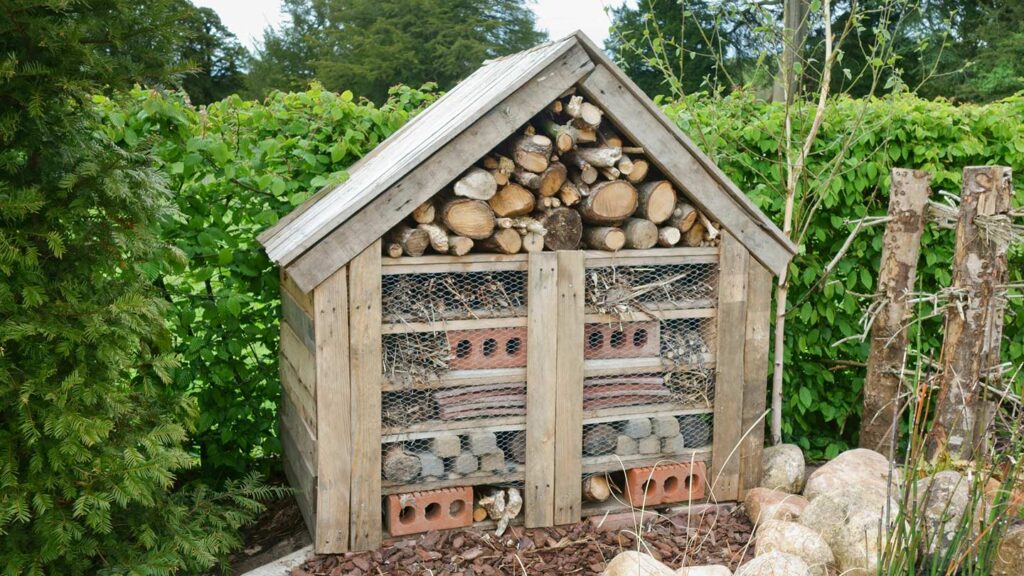
As we go about our daily lives, it’s easy to overlook the tiny creatures that call our planet home. However, these small beings play a crucial role in maintaining the delicate balance of our ecosystem. In this article, we’ll explore four compelling reasons why building a bug hotel is essential for our well-being and the environment.
Reason 1: Protecting Biodiversity
The human activities that surround us are causing a significant loss of biodiversity on our planet. This not only affects the tiny creatures but also has far-reaching consequences for our own survival. For instance, as Albert Einstein once said, “If bees were to disappear, humanity would be faced with extinction within four years.” By building a bug hotel, we can contribute to the preservation of biodiversity and ensure that these vital species continue to thrive.
Reason 2: Combating Pests
One of the primary benefits of creating a bug hotel is its potential to combat pests. By providing a habitat for beneficial insects like ladybugs, lacewings, and parasitic wasps, we can reduce our reliance on chemical pesticides. These natural predators feed on harmful pests, reducing the need for toxic substances that harm not only the environment but also human health.
Reason 3: Promoting Environmental Education
Building a bug hotel is an excellent way to promote environmental education, especially among children. By involving kids in the process of creating a bug-friendly habitat, we can instill a sense of responsibility and stewardship for our natural world. This hands-on approach can help foster a deeper appreciation for the interconnectedness of all living things.
Reason 4: Reducing Stress
Spending time in nature has been shown to have a positive impact on mental health, reducing stress and anxiety. Building a bug hotel is an excellent way to combine outdoor activities with creative expression, providing a much-needed break from the pressures of modern life. As we work together to create these habitats, we can tap into the therapeutic benefits of connecting with nature.
The Benefits of Bug Hotels
So, what exactly happens when we build a bug hotel? Here are some key benefits:
- Habitat creation: By providing a safe haven for beneficial insects, we create a habitat that supports local biodiversity.
- Pest control: Beneficial insects feed on pests, reducing the need for chemical pesticides and promoting sustainable agriculture.
- Environmental education: Building a bug hotel provides an opportunity to educate children and adults alike about the importance of conservation and sustainability.
- Stress relief: Spending time in nature has been shown to have a positive impact on mental health, reducing stress and anxiety.
Creating a Bug Hotel
Now that we’ve explored the benefits of building a bug hotel, let’s take a look at how to create one. Here are some simple steps:
- Gather materials: Collect various materials like bamboo, straws, and leaves to create the structure.
- Choose a location: Select a spot in your garden or yard that receives partial shade and is close to a water source.
- Design the hotel: Consider the size and shape of the hotel, as well as the types of insects you want to attract.
- Assemble the hotel: Use wire, twine, or other materials to hold the structure together.
Tips for Building an Effective Bug Hotel
Here are some additional tips to keep in mind when building a bug hotel:
- Use natural materials: Choose materials that are readily available and non-toxic.
- Create different levels: Include different levels of complexity to accommodate various species.
- Incorporate water sources: Provide a source of water, such as a shallow dish or birdbath, to attract beneficial insects.
- Avoid using pesticides: Refrain from using pesticides in your garden and avoid placing the hotel near areas where they may be used.
Common Bug Hotel Species
By creating a bug hotel, you can attract a variety of species. Here are some common ones:
- Ladybugs: These beneficial insects feed on aphids and other pests.
- Lacewings: These delicate insects prey on caterpillars and other small insects.
- Parasitic wasps: These tiny wasps feed on pest insects, such as whiteflies and aphids.
Maintenance and Upkeep
To ensure that your bug hotel remains a thriving habitat for beneficial insects, follow these maintenance tips:
- Keep the hotel clean: Remove any debris or dead insects from the hotel.
- Monitor water levels: Check the water source regularly to ensure it remains filled and free of standing water.
- Provide shelter: Consider adding additional shelter, such as a roof or walls, to protect the bugs from extreme weather conditions.
Conclusion
Building a bug hotel is a simple yet effective way to contribute to the preservation of biodiversity and promote environmental education. By creating a habitat for beneficial insects, we can reduce our reliance on chemical pesticides, support local ecosystems, and foster a deeper appreciation for the natural world. So, next time you’re working in your garden or yard, consider adding a bug hotel to your project. Your tiny friends will thank you!
Frequently Asked Questions (FAQs)
Q: What type of materials should I use when building a bug hotel?
A: A variety of materials like bamboo, straws, and leaves can be used to create the structure.
Q: Where should I place my bug hotel?
A: Choose a spot in your garden or yard that receives partial shade and is close to a water source.
Q: How do I design my bug hotel?
A: Consider the size and shape of the hotel, as well as the types of insects you want to attract.
Q: Can I use wood when building a bug hotel?
A: While wood can be used, it’s recommended to avoid using pressure-treated wood or any materials that may contain chemicals.
Q: How do I maintain my bug hotel?
A: Keep the hotel clean and free of debris, and consider adding a layer of mulch or soil to help retain moisture.
Q: Can I build a bug hotel in urban areas?
A: Yes, even in urban areas, you can create a bug hotel using materials like planters, boxes, or recycled containers.


