
Introduction
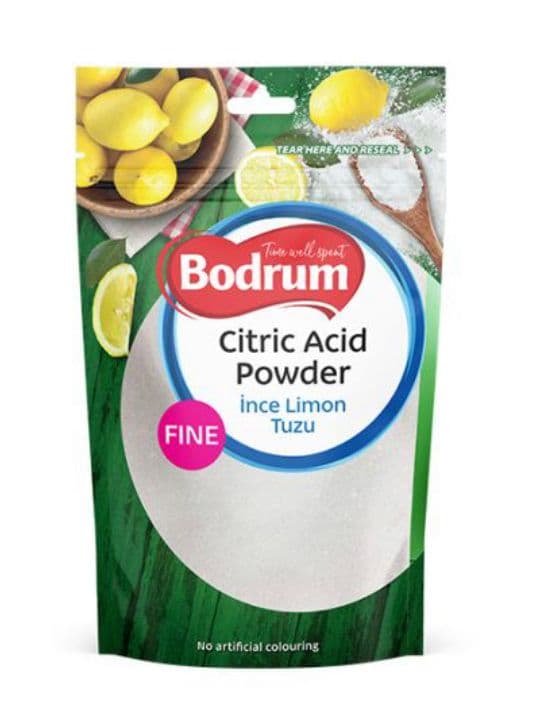
In the world of household cleaning products, there are many ingredients that promise to tackle tough stains and odors. But have you ever stopped to think about the humble citric acid? This naturally occurring compound is often overlooked, but it has a wealth of uses in both cooking and cleaning. In this article, we’ll delve into the world of citric acid, exploring its benefits, applications, and where to buy.
What is Citric Acid?
Before we dive into the uses of citric acid, let’s start with the basics. This organic compound is found in all living organisms, playing a crucial role in cellular metabolism. In the context of household cleaning, citric acid serves as an effective and eco-friendly alternative to harsh chemicals.
The Role of Citric Acid
When we think of citric acid, one of the first associations is with its use in cooking and food preservation. But it’s also an essential component in many cleaning products, including laundry detergents, surface cleaners, and polishers. In its pure form, citric acid can be used as a natural disinfectant and deodorizer.
Dietary Benefits of Citric Acid
Consuming foods high in citric acid, such as citrus fruits like oranges, lemons, and limes, has several health benefits. These include:
- Boosting the Immune System: Citric acid helps to stimulate the immune system by increasing the production of white blood cells, which fight off infections and diseases.
- Acting as an Antioxidant: Citric acid is rich in antioxidants, which help protect cells from damage caused by free radicals. This can reduce the risk of chronic diseases like cancer and heart disease.
- Enhancing Digestion: The acidity of citric acid helps to break down food in the stomach, making it easier to digest nutrients and absorb them into the bloodstream.
Household Uses of Citric Acid
In addition to its culinary uses, citric acid is also a versatile household cleaning agent. Here are some ways you can use it:
Cleaning Surfaces
Citric acid can be used to remove grease and stains from surfaces like countertops, sinks, and faucets.
- To clean the surface of your sink or countertop, simply mix equal parts water and citric acid in a spray bottle. Spray onto the surface and wipe clean with a soft cloth.
- For tougher stains or grout, apply a mixture of baking soda and citric acid to the area and let it sit for 30 minutes before scrubbing away.
Laundry
To clean clothes without damaging them, citric acid can be added to laundry detergent or directly applied to stained areas. This is especially useful for removing tough stains like red wine or ink.
- Add a tablespoon of citric acid powder to your wash cycle or soak the garment in a solution of equal parts water and citric acid for 30 minutes before washing.
- For best results, always spot test citric acid on an inconspicuous area first.
Disinfecting
Citric acid has natural antibacterial properties that make it an effective disinfectant for surfaces and utensils.
- Mix equal parts water and citric acid in a spray bottle and spray onto the surface or utensil. Let it sit for 30 seconds before wiping clean.
- For tough germs or viruses, soak the surface or utensil in a solution of equal parts water and citric acid for 10 minutes before rinsing.
Removing Odors
In addition to its cleaning abilities, citric acid can also be used to eliminate unpleasant odors from carpets, upholstery, and trash cans.
- Sprinkle citric acid powder liberally onto the affected area and let it sit for 30 minutes before vacuuming.
- To remove lingering smells in your trash cans, mix equal parts water and citric acid in a spray bottle and spritz into the can. Let it sit overnight before emptying.
Where to Buy Citric Acid
If you’re interested in using citric acid in your household or cooking, here are some options for where to buy it:
- Supermarkets: Many supermarkets carry citric acid powder or liquid in their cleaning supplies section.
- Online Retailers: Amazon, Walmart, and other online retailers offer a wide selection of citric acid products, including organic and eco-friendly options.
- Specialty Stores: If you’re looking for high-quality or specialty citric acid products, consider visiting a health food store or a cleaning supply store.
Conclusion
In this article, we’ve explored the uses and benefits of citric acid in both cooking and household cleaning. Whether you’re looking to boost your immune system or tackle tough stains on your surfaces, citric acid is an excellent choice. By incorporating it into your daily routine, you can enjoy a cleaner, healthier home and a more vibrant culinary experience.
Frequently Asked Questions
Q: Is Citric Acid Safe for Consumption?
A: Yes, citric acid is generally recognized as safe (GRAS) by regulatory agencies like the FDA and the USDA. However, it’s always best to consult with a healthcare professional before consuming any new foods or supplements.
Q: Can I Use Citric Acid on Natural Fibers?
A: No, citric acid should not be used on natural fibers like wool, silk, or cotton as these can cause discoloration and damage. Instead, consider using alternative cleaning agents that are specifically designed for use with natural fibers.
Q: Is Citric Acid Effective against Viruses?
A: While citric acid has some antibacterial properties, its effectiveness against viruses is still being researched. As a precautionary measure, always consult with a healthcare professional before using citric acid to clean surfaces or utensils that may be contaminated with viruses.
Q: Can I Use Citric Acid as a Natural Pest Control?
A: Yes, citric acid can be used as a natural pest control agent by sprinkling it around the perimeter of your home or in areas where pests are present. However, for best results, always combine citric acid with other natural pest control methods and consult with a pest control professional if necessary.
Q: How Long Does Citric Acid Last?
A: The shelf life of citric acid depends on various factors such as storage conditions, packaging, and quality. Generally, citric acid powder can last up to 2 years when stored properly in an airtight container. Liquid citric acid may have a shorter shelf life due to its more unstable nature.
Q: Is Citric Acid Good for Plant Growth?
A: Yes, citric acid can be beneficial for plant growth as it helps to increase nutrient uptake and promote healthy root development. However, always dilute citric acid with water before applying it to your plants to avoid over-acidifying the soil.
Q: Can I Use Citric Acid on Painted Surfaces?
A: No, citric acid should not be used on painted surfaces as it can cause discoloration and damage. Always use alternative cleaning agents that are specifically designed for use with painted surfaces.


