
Introduction
In the world of flowers, few are as iconic and sought-after as the Stella alpina, also known as Edelweiss. This delicate yet resilient flower has been a favorite among botanists, collectors, and enthusiasts for its unique beauty and versatility. But what makes it so special? In this article, we’ll delve into the world of the Stella alpina, exploring its history, cultivation, uses, and fascinating properties.
History of the Stella Alpina
The Stella alpina has been a staple in Alpine landscapes for centuries, with its name derived from the German word “Edelweiss,” meaning “noble flower.” Its story is one of legend and myth, with tales of a young woman who died unmarried but was transformed into a flower that bloomed only in inaccessible places. Today, the Stella alpina can be found not just in Alpine regions but also in other parts of the world.
Physical Characteristics
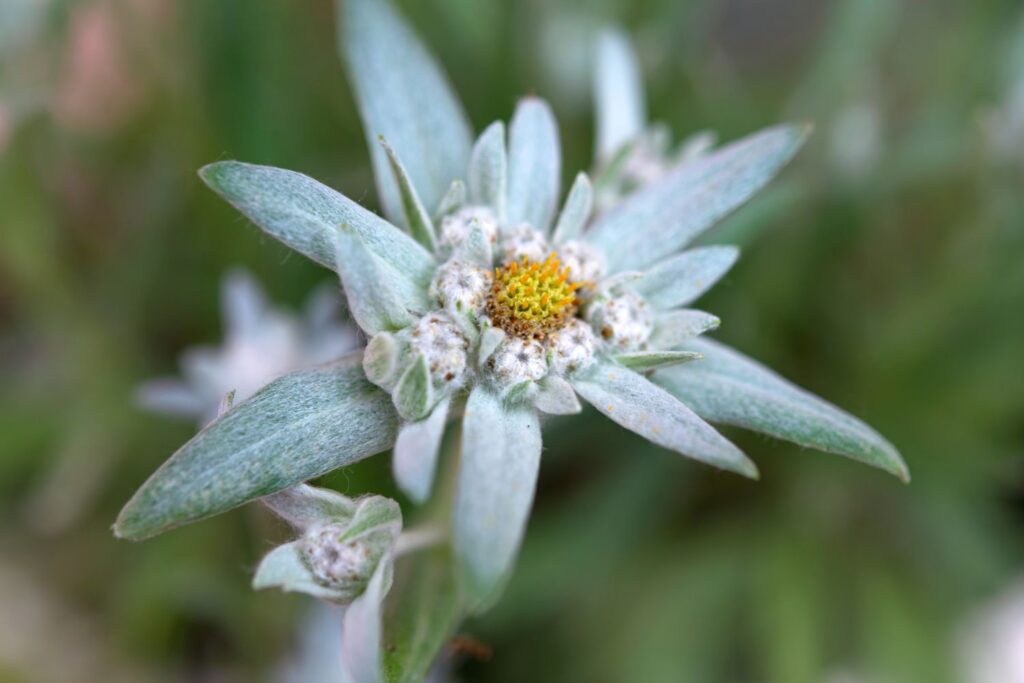
The Stella alpina is a small, delicate flower, typically measuring around 15 cm in height. Its verdant color and tiny petals are set against a backdrop of soft, white foliage that resembles a crown. This striking appearance has captivated artists, designers, and anyone who’s ever laid eyes on it.
Cultivation
While the Stella alpina is naturally found in high-altitude regions, it can be grown successfully in pots or directly in the ground with proper care. To cultivate this plant, choose a well-draining soil mix, provide adequate sunlight (though partial shade may also work), and water sparingly but consistently.
Properties
The Stella alpina has long been prized for its beauty, but recent studies have uncovered even more intriguing properties. The plant’s roots contain salicin, which has anti-inflammatory effects, while the leaves are rich in flavonoids, which act as antioxidants. Moreover, the flowers possess antimicrobial and antifungal properties.
Medicinal Applications
Traditional medicine has long recognized the Stella alpina for its medicinal uses. In particular, it has been employed to treat respiratory issues such as bronchitis and asthma. The plant’s leaves can also be used to soothe skin irritations and reduce inflammation.
Cosmetic Uses
Beyond its medical applications, the Stella alpina has found its way into the world of cosmetics. Researchers have discovered that extracts from this flower contain flavonoids, which may help combat wrinkles and promote a smoother complexion.
Fruitful Pursuits: Growing Your Own Stella Alpina
Growing your own Stella alpina can be an enriching experience. Not only will you enjoy the thrill of nurturing a delicate plant, but you’ll also have the opportunity to harvest its beautiful flowers for use in crafts or as a decorative element.
To begin, choose healthy seeds (available online) and sow them at least 1-2 cm deep in well-draining soil mix. Water sparingly until seedlings emerge, then gradually increase moisture levels as they grow.
Tips for Growing Stella Alpina
- Provide full sun to partial shade: The Stella alpina can thrive in a variety of lighting conditions, but it will perform best in areas with direct sunlight for at least 4-6 hours per day.
- Maintain optimal temperatures: Keep the plant away from extreme temperatures, ideally between 65°F (18°C) and 75°F (24°C).
- Water carefully: Avoid overwatering, as this can lead to root rot. Instead, water sparingly but consistently, allowing the soil to dry slightly between waterings.
- Fertilize lightly: Feed your Stella alpina with a balanced fertilizer during the growing season (spring and summer), following the manufacturer’s instructions.
Stella Alpina in Culture
The Stella alpina has been featured in various forms of art, literature, and music throughout history. It has also become an iconic symbol of Austria, appearing on the country’s coat of arms and being used as a national emblem.
In literature, the Stella alpina has been celebrated by authors such as Franz Kafka, whose novel “The Metamorphosis” features a character who dreams of owning one of these flowers. In music, the Stella alpina has inspired several compositions, including Mozart’s opera “Don Giovanni,” which includes a famous aria sung by the character Don Juan.
Challenges and Opportunities
While the Stella alpina is a beautiful and versatile flower, it also poses some challenges for cultivation and use. The plant’s delicate nature means that it requires careful handling and care, making it unsuitable for large-scale commercial production.
However, this fragility can also be seen as an opportunity. By embracing the Stella alpina’s unique characteristics, we can promote more sustainable and responsible practices in horticulture and conservation.
Conclusion
The Stella alpina is a true marvel of nature, with its delicate beauty and resilience making it a favorite among botanists, collectors, and enthusiasts alike. As we continue to explore its properties and uses, we are reminded of the importance of preserving this remarkable flower for future generations.
Whether you’re interested in cultivating this plant in your own garden or seeking to harness its medicinal and cosmetic applications, the Stella alpina offers endless possibilities. By embracing its unique characteristics and promoting sustainable practices, we can ensure that this beautiful flower continues to thrive for years to come.


