
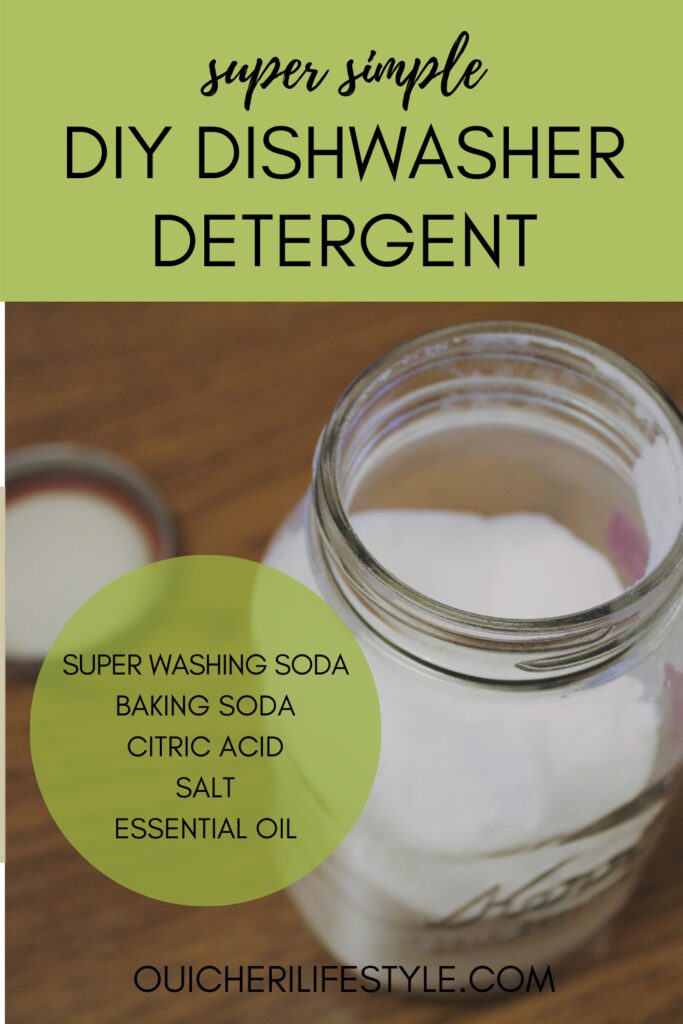
As we go about our daily lives, it’s easy to get caught up in the convenience of commercial cleaning products. However, many of these products come with a hefty price tag and can have negative environmental impacts. One product that often falls into this category is dish soap. But what if you could make your own dish soap using natural ingredients? Not only is it eco-friendly, but it’s also cost-effective and easy to use.
The Problem with Commercial Dish Soap
Commercial dish soaps are often made with harsh chemicals that can be damaging to our health and the environment. These chemicals can also leave residues on dishes and utensils, making them difficult to clean and potentially harming wildlife if they enter waterways. Furthermore, many commercial dish soaps contain phosphates, which are known to contribute to aquatic pollution.
The Benefits of Making Your Own Dish Soap
Making your own dish soap using natural ingredients is a simple and effective way to reduce your environmental impact. Here are just a few benefits:
- Cost-effective: Making your own dish soap can be significantly cheaper than buying commercial products.
- Eco-friendly: Natural ingredients used in homemade dish soap are biodegradable and non-toxic, making them a safer choice for the environment.
- Customizable: When you make your own dish soap, you can adjust the recipe to suit your specific needs.
The Ingredients
So, what do we need to get started? Here’s a simple recipe for homemade dish soap:
- 2 lemons
- 150 grams of coarse salt
- 80 ml of white vinegar
- 180 ml of water
The Process
Making your own dish soap is a straightforward process. Here’s how to do it:
- Lemon Juice: Cut the lemons in half and squeeze the juice into a bowl.
- Salt: Add the coarse salt to the lemon juice and mix until dissolved.
- Vinegar: Add the white vinegar to the mixture and stir well.
- Water: Gradually add the water to the mixture, stirring constantly to avoid lumps.
- Cooking: Transfer the mixture to a saucepan and bring to a boil over medium heat. Reduce the heat to low and simmer for 20 minutes, stirring occasionally.
Using Your Homemade Dish Soap
Your homemade dish soap is now ready to use! Here are some tips for getting the most out of your new cleaning product:
- Temperature: Always check the temperature of the water before washing dishes.
- Dish Type: Use gentle soap for delicate items like glassware and stainless steel, and a stronger soap for tougher items like pots and pans.
Alternatives to Dishwashers
Did you know that dishwashers can be used for more than just washing dishes? Here are some alternative uses:
- Sterilizing Vessels: Use your dishwasher to sterilize baby bottles, utensils, and other items.
- Cooking: Some modern dishwashers come with a cooking function, allowing you to cook meals directly in the machine.
Conclusion
Making your own dish soap using natural ingredients is a simple way to reduce your environmental impact while saving money. With this recipe, you can create a gentle yet effective cleaning product that’s perfect for washing dishes, utensils, and even sterilizing vessels. So next time you’re at the grocery store, consider ditching the commercial dish soap and making your own natural cleaning solution instead.
Frequently Asked Questions
- Q: Is homemade dish soap as effective as commercial products?
A: Yes, homemade dish soap can be just as effective as commercial products in cleaning and sanitizing dishes. - Q: Can I use this recipe for washing clothes or other household items?
A: No, this recipe is specifically designed for making dish soap and should not be used for washing clothes or other household items. - Q: How long does the homemade dish soap last?
A: Homemade dish soap typically lasts 1-2 months, depending on usage and storage conditions.
Benefits of Natural Ingredients
Natural ingredients used in homemade dish soap have several benefits:
- Antimicrobial Properties: Many natural ingredients have antimicrobial properties that help to reduce bacteria and germs on dishes.
- pH Balance: Natural ingredients can help maintain a healthy pH balance, which is important for preventing rust and corrosion on metal utensils.
Tips for Customizing Your Dish Soap
Making your own dish soap allows you to customize the recipe to suit your specific needs. Here are some tips:
- Add Herbs or Spices: You can add herbs like rosemary or thyme, or spices like cinnamon or cloves to give your dish soap a unique flavor.
- Use Essential Oils: Some essential oils have antimicrobial properties and can be added to the recipe for extra cleaning power.
Making Your Own Dish Soap: A Step-by-Step Guide
Here’s a step-by-step guide to making your own dish soap:
- Gather Ingredients: Collect all the necessary ingredients, including lemons, coarse salt, white vinegar, and water.
- Cut Lemons: Cut the lemons in half and squeeze the juice into a bowl.
- Add Salt: Add the coarse salt to the lemon juice and mix until dissolved.
- Add Vinegar: Add the white vinegar to the mixture and stir well.
- Add Water: Gradually add the water to the mixture, stirring constantly to avoid lumps.
- Cook: Transfer the mixture to a saucepan and bring to a boil over medium heat. Reduce the heat to low and simmer for 20 minutes, stirring occasionally.
Precautions
When making your own dish soap, there are several precautions to take:
- Use Caution with Hot Water: Be careful when handling hot water, as it can cause burns.
- Avoid Overheating: Avoid overheating the mixture, as this can lead to scorching or burning.
- Label and Store Safely: Label and store your homemade dish soap safely to avoid contamination.
Conclusion
Making your own dish soap using natural ingredients is a simple way to reduce your environmental impact while saving money. With this recipe, you can create a gentle yet effective cleaning product that’s perfect for washing dishes, utensils, and even sterilizing vessels. So next time you’re at the grocery store, consider ditching the commercial dish soap and making your own natural cleaning solution instead.


