
Hard water is a common issue faced by many households and businesses. It’s defined as the presence of high concentrations of calcium and magnesium ions in water, which can lead to various problems such as scale buildup, corrosion, and even health concerns. In this article, we’ll delve into the concept of hard water, its practical implications, health and environmental impacts, correction methods, and provide a comprehensive guide on how to soften hard water.
Understanding the Concept of Hard Water
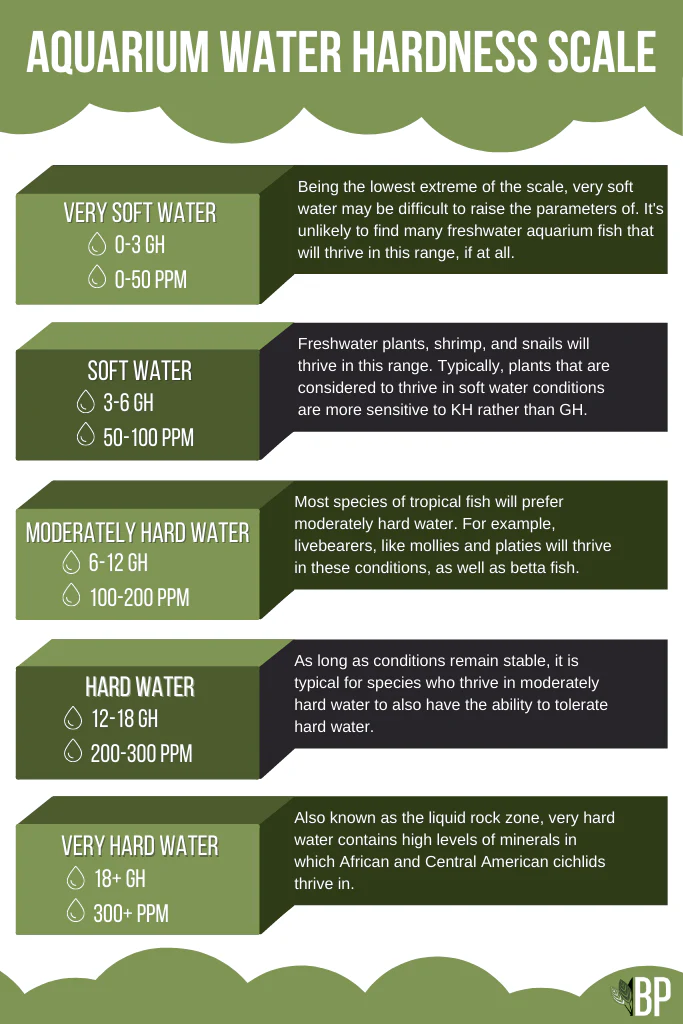
Hard water is measured in millimoles per liter (mmol/l) or expressed in degrees of hardness (°dH) or degrees of total hardness (°T.H.). The respective scales of reference are:
- Water with a softness level: 0-7 °dH / 0-15 °T.H.
- Water with a moderate level of hardness: 8-14 °dH / 16-25 °T.H.
- Water with a high level of hardness: >21 °dH / >37 °T.H.
The Practical Implications of Hard Water
Hard water can cause various problems in everyday life. Some of the most common issues include:
- Scale buildup: Calcium and magnesium ions in hard water can form scales on pipes, faucets, and appliances, leading to reduced efficiency and increased maintenance costs.
- Corrosion: Hard water can corrode metal surfaces, including pipes, fixtures, and appliances.
- Soap scum: The high concentration of calcium and magnesium ions in hard water can lead to soap scum buildup on skin and hair.
Fortunately, there are ways to mitigate these problems without compromising human health.
For instance, a simple kit available at pharmacies or online can help determine the level of water hardness in your home. Once you’re aware of your water’s quality, you can take steps to address any issues it may be causing.
The Health and Environmental Impact
While hard water poses no direct threat to human health, it does have negative effects on household appliances and plants. For instance:
- Washing machine damage: The buildup of calcium deposits can lead to problems with washing machines, including reduced efficiency and increased maintenance costs.
- Dishwasher issues: Hard water can cause mineral buildup in dishwashers, leading to reduced performance and increased energy consumption.
- Plant growth: Hard water can affect plant growth by altering the pH level of the soil and reducing the availability of essential nutrients.
Correcting Water Hardness
To ‘soften’ hard water temporarily, one simple method involves boiling it. This process causes at least the carbonates of calcium to precipitate out. However, this approach is not effective for addressing permanent hardness issues.
When it comes to more lasting solutions, various methods are available:
- Filtration Systems: These devices can capture particulate matter and prevent mineral buildup. While they require proper installation and regular maintenance, they’re a viable option for households with moderate water hardness.
- Water Softeners: Using ion exchange resins, these systems work by capturing calcium and magnesium ions from the water and replacing them with sodium or potassium ions. Regular salt replacements are necessary to maintain their effectiveness.
There are different types of water softening systems available:
- Magnetic Systems: These devices use magnetic fields to break down mineral deposits without affecting the water’s pH level. While they’re less common, they can be an effective solution for households with high levels of hardness.
- Reverse Osmosis (RO) Systems: Using semipermeable membranes, these systems remove impurities from the water by applying pressure.
Choosing the Right Solution
When selecting a water softening system, several factors should be considered:
- System type and effectiveness
- Maintenance requirements and costs
- Space constraints and installation complexity
Some popular options for homeowners include:
- Water softeners with built-in salt dispensers: These systems provide a convenient way to manage salt replacement.
- Magnetic systems designed for specific household needs: Magnetic systems can be an effective solution for households with high levels of hardness.
- Whole-house filtration systems: These systems address multiple water quality issues and can help prevent scale buildup and corrosion.
Installation Considerations
Installing a water softening system requires careful consideration:
- Location: Choose a location that is easily accessible and allows for proper installation and maintenance.
- Drainage: Ensure proper drainage to prevent water accumulation around the system.
- Electrical requirements: Verify the electrical requirements of the system to avoid any safety issues.
Maintenance and Upkeep
Regular maintenance is crucial for ensuring the effectiveness and longevity of a water softening system:
- Salt replenishment: Regularly check salt levels and replenish as needed.
- Filter cleaning: Clean or replace filters according to the manufacturer’s instructions.
- System checks: Perform regular system checks to ensure proper operation.
Conclusion
Softening hard water can have a significant impact on household appliances, plants, and even human health. By understanding the concept of hard water, its practical implications, health and environmental impacts, correction methods, and choosing the right solution, households can make informed decisions about their water softening needs.


