
Introduction
When it comes to choosing the right wood for our homes, we often consider factors like durability, aesthetics, and sustainability. One wood that stands out from the rest is the American white oak (Quercus alba), also known as Quercia bianca americana in Italian. In this article, we’ll delve into the characteristics of this exceptional wood, its benefits, and explore how it can be used in various applications.
What Makes White Oak Wood So Special?
White oak wood is renowned for its unique combination of strength, durability, and beauty. Its distinctive features include:
- A clear alburno (outer layer) with a lighter color, while the durame (inner layer) ranges from cream to dark brown
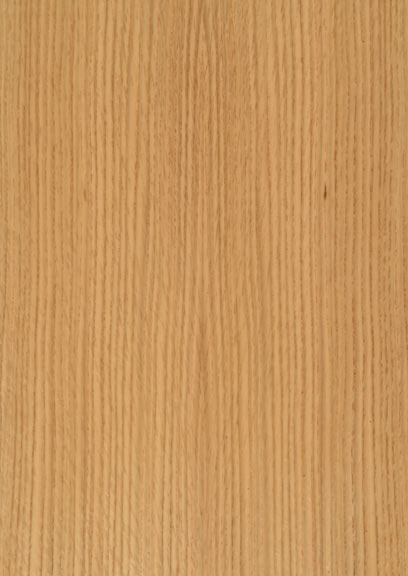
- Straighter fibers with more noticeable venation patterns, giving it a rich, complex appearance
- Longer midolllars, which contribute to its striking design
Compared to other types of oak wood, white oak is particularly notable for its:
Durable and Heavy Properties
White oak wood boasts exceptional strength and weight, making it an ideal choice for various applications. Its characteristics include:
- Medium resistance to curvature and compression
- Low flexibility but high performance in steam-bending
- A density that ensures durability and stability
These properties have made white oak a favorite among builders, designers, and homeowners worldwide.
Sustainable and Eco-Friendly
White oak is often praised for its eco-friendliness, thanks to:
- The abundance of available stock from controlled-forestry management practices
- High yield per tree, reducing the need for replanting
- Long lifespan, minimizing the need for frequent replacements
This wood’s sustainability credentials make it an attractive option for environmentally conscious consumers.
External Use Without Treatment
One of white oak wood’s most appealing features is its ability to withstand external exposure without additional treatment. With a durability classification of Class 3 ‘moderately durable’, it can be used outdoors without further processing.
However, if the alburno (outer layer) is present, a conservative treatment must still be applied.
Aesthetics and Performance
White oak wood offers numerous benefits in terms of appearance and functionality:
- Its distinctive grain pattern creates an attractive visual effect
- The natural color palette ranges from light to dark brown, providing versatility for various design contexts
Real-Life Applications
The American white oak has been featured in various architectural projects, showcasing its potential as a primary material. For example:
- In the image provided, a shed-office (Shoffice) was built using white oak wood on the rear of a 1950s London home
- Platform 5 Architects chose white oak for its warmth, tactile feel, and durability
By incorporating this exceptional wood into their designs, architects have created functional and aesthetically pleasing spaces that can withstand the test of time.
Working with White Oak Wood
White oak wood is a joy to work with due to its stability and resistance to warping. However, some considerations should be taken into account:
- The wood’s density makes it more challenging to cut accurately
- The grain pattern can create unique challenges when working with power tools
Despite these potential difficulties, many woodworkers find white oak wood to be a rewarding material to work with.
Preservation and Maintenance
To maintain the beauty and durability of white oak wood, regular maintenance is essential:
- Regular cleaning and polishing will keep the surface looking its best
- Sealing or finishing treatments can enhance the wood’s natural color and protect it from damage
However, it’s crucial to note that excessive treatment or sealing can damage the wood.
Sustainable Harvesting Practices
White oak trees are typically harvested using sustainable practices to ensure their long-term survival:
- Controlled-forestry management techniques prioritize tree growth and health
- Minimal impact on the environment is achieved through careful planning and harvesting
This commitment to sustainability makes white oak a responsible choice for environmentally conscious consumers.
Types of White Oak Wood
There are several varieties of white oak wood, each with its unique characteristics and properties:
- White Oak: The most common variety, known for its strength, durability, and classic beauty
- English Oak: A variation characterized by a lighter color and less dense grain pattern
- Red Oak: A hardwood that is often used for furniture-making due to its attractive grain pattern
Each type of white oak wood offers distinct benefits and uses.
Comparing White Oak to Other Woods
When it comes to durability, strength, and sustainability, white oak stands out from other types of wood:
- Compared to ash or beech, white oak is more durable and resistant to wear
- Compared to hickory or walnut, white oak offers a lighter color palette and less dense grain pattern
Understanding the differences between various woods can help you make informed decisions when choosing the right material for your project.
Conclusion
In conclusion, American white oak wood offers an unparalleled combination of strength, beauty, and eco-friendliness. Its unique characteristics make it an ideal choice for various applications, from furniture-making to exterior cladding. As consumers become increasingly aware of sustainable practices, this exceptional wood is poised to become a sought-after material in the industry.
Frequently Asked Questions
- What makes American white oak wood so durable?
American white oak wood’s unique combination of strength, density, and straighter fibers contribute to its exceptional durability. - Is white oak wood suitable for indoor use only?
While white oak is often used indoors, it can also be used externally without additional treatment due to its Class 3 ‘moderately durable’ classification. - How do I care for a white oak wooden surface?
A conservative treatment should still be applied if the alburno (outer layer) is present. Regular maintenance will help maintain the wood’s natural appearance and durability. - Can American white oak wood be stained or painted?
Yes, it can be stained or painted to enhance its color palette, but it’s essential to choose products specifically designed for use on white oak wood. - Is American white oak wood suitable for outdoor furniture?
While white oak is durable and resistant to weathering, it may require additional treatment if exposed to direct sunlight for extended periods. - How does the durability of white oak compare to other types of wood?
White oak’s unique combination of strength and density makes it one of the most durable types of wood, outperforming many others in terms of lifespan and resistance to wear. - Can American white oak wood be used for structural applications?
Yes, its exceptional strength and durability make it suitable for various structural purposes, including load-bearing walls and floors. - Is there any risk associated with using American white oak wood?
While rare, some trees may harbor insects or diseases that can affect the wood’s quality. Proper selection, inspection, and treatment will minimize these risks.
I hope you’ve enjoyed learning about this exceptional wood choice!


