
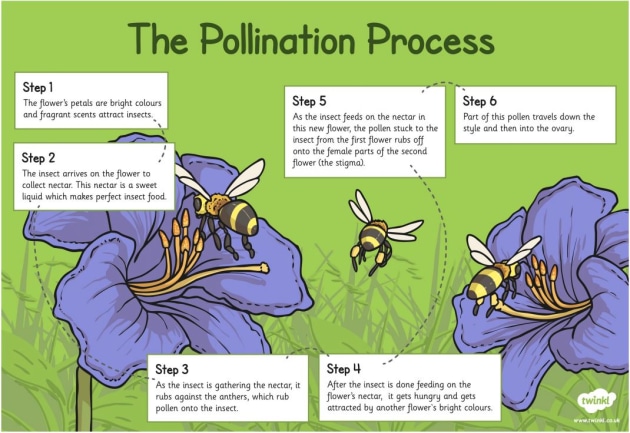
Pollination is a fascinating process that plays a crucial role in maintaining the balance and diversity of our ecosystem. Without pollination, many plants would be unable to produce seeds or fruit, resulting in a significant loss of biodiversity and impacting our food supply.
In this article, we will delve into the world of pollination, exploring how it works, its importance, and the various methods used by different agents. We will also discuss ways to support pollinators and ensure their continued health.
What is Pollination?
Pollination is the process by which plants reproduce using pollen. This process involves the transfer of pollen from the male reproductive organ (anther) of a plant to its female reproductive organ (stigma). There are two main types of pollination: self-pollination and cross-pollination.
Self-Pollination
In self-pollination, the pollen is transferred directly from one plant to another of the same species. This type of pollination occurs in plants like conifers and cycads. Self-pollinated plants are called autogamous.
Cross-Pollination
Cross-pollination involves the transfer of pollen between two different plant species. This process is essential for many plants, including crops like apples and wheat. Cross-pollination can be facilitated by various agents, such as insects, birds, bats, and even wind.
Types of Pollinators
There are several types of pollinators, each with their unique characteristics and contributions to the pollination process:
- Insects: Bees, butterflies, moths, and beetles are some of the most common pollinators. Insects are responsible for pollinating many plant species, including almonds, apples, and blueberries.
- Birds: Hummingbirds, sunbirds, and honeyeaters are some examples of birds that can act as pollinators.
- Bats: Some bat species feed on nectar and pollen, making them effective pollinators.
- Wind: Wind is a natural pollinator for plants like grasses, corn, and sunflowers.
Pollination: The Most Common Method?
Believe it or not, the most common method of pollination is anemophily (wind). This process occurs when pollen is dispersed by wind currents, allowing plants to reproduce without the need for a specific pollinator.
The Importance of Pollinators
Pollinators play a vital role in maintaining our ecosystem’s balance and diversity. Without them, many plant species would be unable to reproduce, leading to a significant loss of biodiversity.
Here are some key points about pollinators:
- Biodiversity: Pollinators contribute significantly to the genetic diversity of plant populations.
- Food Security: Many crops rely on pollinators for reproduction, making them essential for food security.
- Ecosystem Health: Pollinators help maintain ecosystem health by transferring pollen between plants.
How Can We Help Our Pollinators?
To ensure the continued health of our pollinator populations, we can take several steps:
- Plant Pollinator-Friendly Plants: Incorporate pollinator-friendly plants into your garden or landscape to provide a source of food and habitat for pollinators.
- Reduce Pesticide Use: Limit the use of pesticides, which can harm or kill pollinators.
- Provide Habitat: Create bee hotels and other structures that provide habitat for solitary bees and other pollinators.
Conclusion
Pollination is an essential process that allows plants to reproduce and thrive. By understanding how pollination works and the importance of pollinators, we can take steps to protect these vital components of our ecosystem.
Here are some key points to remember:
- Pollination: The process by which plants reproduce using pollen.
- Self-Pollination: When pollen is transferred directly from one plant to another of the same species.
- Cross-Pollination: When pollen is transferred between two different plant species.
- Pollinators: Agents that facilitate pollination, including insects, birds, bats, and wind.
Frequently Asked Questions
Q: What is the most common method of pollination?
A: Anemophily (wind) is the most common method of pollination, responsible for dispersing pollen in many plant species.
Q: Why are pollinators important?
A: Pollinators contribute significantly to biodiversity, food security, and ecosystem health by transferring pollen between plants.
Q: How can we help our pollinators?
A: We can provide habitat, reduce pesticide use, and plant pollinator-friendly plants to support the continued health of pollinator populations.


