
Renella is a non-grave disturbance of the urinary tract that often resolves by changing one’s diet and making some adjustments. The name “renella” suggests it’s related to the kidneys, but it’s actually about small crystals or particles in the urine that can cause discomfort.
What is Renella?
Renella is a condition characterized by the formation of small crystals or particles in the urine, which can cause discomfort and pain in the urinary tract. These crystals are usually made up of minerals such as calcium oxalate, uric acid, or phosphate. They can be present in the urine without causing any symptoms, but they can also block the flow of urine and cause painful urination.
Symptoms of Renella
The symptoms of renella are similar to those of kidney stones, but they are usually less severe. People with renella may experience:
- Painful urination
- Burning sensation while urinating
- Frequent or urgent need to urinate
- Cloudy or strong-smelling urine
In some cases, the crystals can block the flow of urine and cause painful sensations in the lower abdomen, back, or groin.
Where are the kidneys and urinary tract located?
The kidneys are two bean-shaped organs located on either side of the spine, just below the ribcage. They play a crucial role in filtering waste and excess fluids from the blood and regulating electrolyte levels.
The urinary tract is the system that carries urine from the kidneys to the bladder through two ureters, one for each kidney. The urine then flows into the bladder, where it’s stored until it’s eliminated through the process of urination.
How Long Does Renella Last?
Renella is a self-limiting condition that usually resolves on its own with dietary changes and lifestyle adjustments. However, in some cases, it may require medical attention if symptoms persist or worsen over time.
The duration of renella can vary depending on individual factors such as the severity of symptoms, diet, and lifestyle habits. In general, symptoms of renella can last anywhere from a few days to several weeks or months. Here are some common scenarios:
- Mild cases: Symptoms may resolve within 1-3 days with dietary changes.
- Moderate cases: Symptoms may persist for 1-6 weeks with ongoing dietary changes and lifestyle adjustments.
- Severe cases: Symptoms may require medical attention if they last longer than 2-4 weeks or worsen over time.
Diet and Remedies for Renella
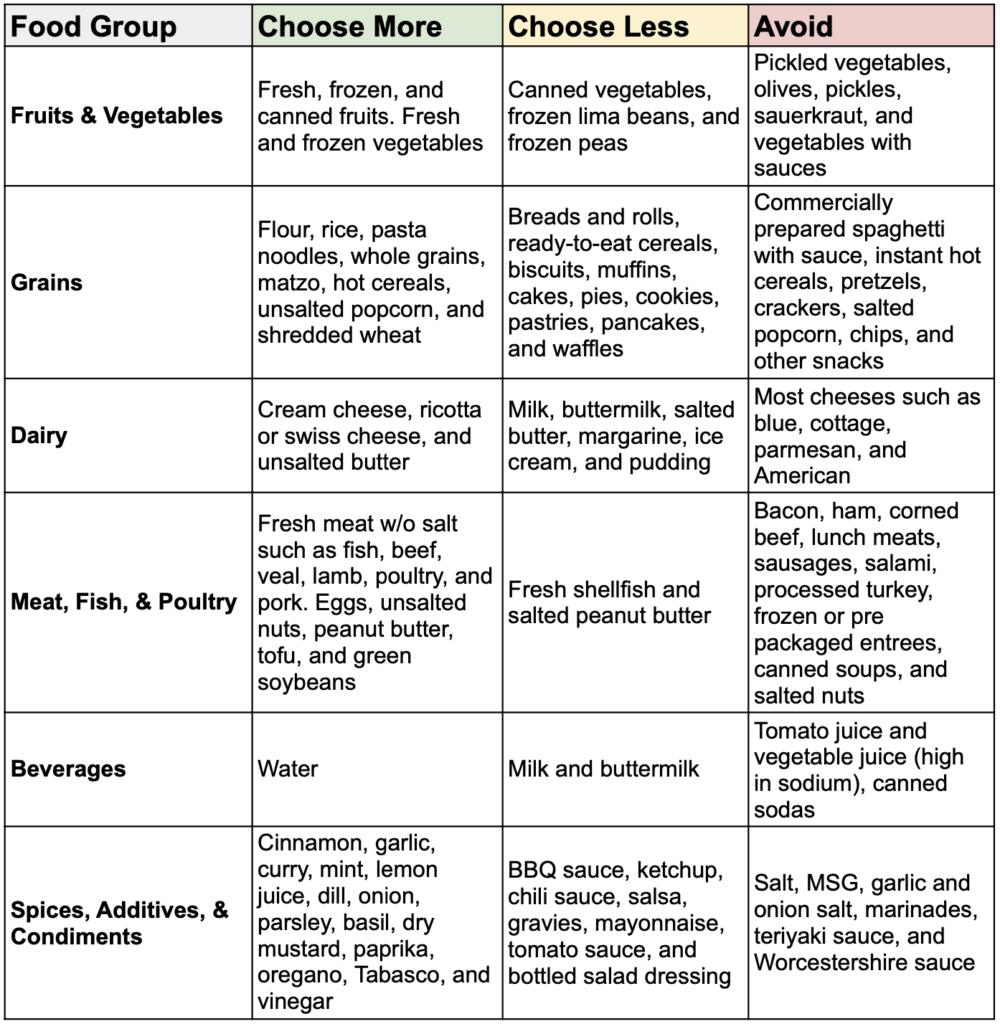
A well-balanced diet can help alleviate the symptoms of renella. Here are some tips:
- Drink plenty of water (at least 2 liters a day) to help flush out the crystals
- Eat a low-calcium diet if you have calcium oxalate stones
- Reduce your intake of animal protein, dairy products, and spinach, which can increase uric acid levels
- Avoid foods that trigger constipation, such as processed meats and high-fiber foods
In addition to dietary changes, some remedies may help alleviate symptoms of renella. These include:
- Increasing the amount of magnesium in your diet (magnesium is a natural mineral that helps dissolve crystals)
- Using a urinary tract cleanse (urinary tract cleanses can help flush out bacteria and debris from the urinary tract)
- Practicing relaxation techniques such as deep breathing or meditation to reduce stress and promote healing
Risk Factors for Renella
While anyone can develop renella, some people are more likely to be affected. These include:
- Men
- People with a family history of kidney stones or urinary tract problems
- Individuals with obesity or a high BMI (index of mass body index)
- Those who live in industrialized areas
Conclusion
Renella is a common condition that can cause discomfort and pain in the urinary tract. By understanding its symptoms, duration, and dietary needs, you can take steps to alleviate your symptoms and prevent future occurrences.
In this article, we have discussed the definition of renella, its symptoms, and how it can be managed through dietary changes and lifestyle adjustments. We have also explored risk factors for developing renella and provided tips for reducing your risk. Whether you are experiencing mild or severe symptoms, making informed choices about diet and lifestyle habits can help alleviate discomfort and promote healing.
Frequently Asked Questions (FAQs)
- What causes renella?
Renella is caused by the formation of small crystals or particles in the urine, which can be triggered by a combination of factors, including diet, lifestyle, and genetics. - How do you treat renella?
Treatment for renella usually involves dietary changes and lifestyle adjustments. In some cases, medical attention may be necessary if symptoms persist or worsen over time. - Can renella be prevented?
Yes, by making lifestyle changes such as drinking plenty of water, avoiding trigger foods, and maintaining a healthy weight, you can reduce your risk of developing renella. - How common is renella?
Renella affects approximately 6-9% of the population in Italy, with frequent recidives. - What are the symptoms of renella?
Symptoms of renella include painful urination, burning sensation while urinating, and frequent or urgent need to urinate. - Can renella be mistaken for kidney stones?
Yes, some people may experience similar symptoms to kidney stones, but renella is usually less severe. - How long does it take to recover from renella?
Recovery time for renella varies depending on individual factors, but dietary changes and lifestyle adjustments can help alleviate symptoms within a few weeks or months. - Can renella be prevented by diet alone?
While a healthy diet can reduce the risk of developing renella, it’s not enough to prevent it completely. Lifestyle changes and medical attention may still be necessary in some cases.
Additional Tips for Managing Renella
- Stay hydrated: Drinking plenty of water can help flush out crystals from the urinary tract.
- Limit dairy products: If you are lactose intolerant, consider reducing your intake of dairy products to alleviate symptoms.
- Exercise regularly: Regular exercise can help improve circulation and reduce pressure on the kidneys and urinary tract.
- Manage stress: Stress can exacerbate symptoms of renella. Practice relaxation techniques such as deep breathing or meditation to reduce stress and promote healing.
- Get enough sleep: Adequate sleep is essential for overall health, including the urinary system.
By following these tips and understanding the causes and symptoms of renella, you can take steps to manage your condition and prevent future occurrences.


