
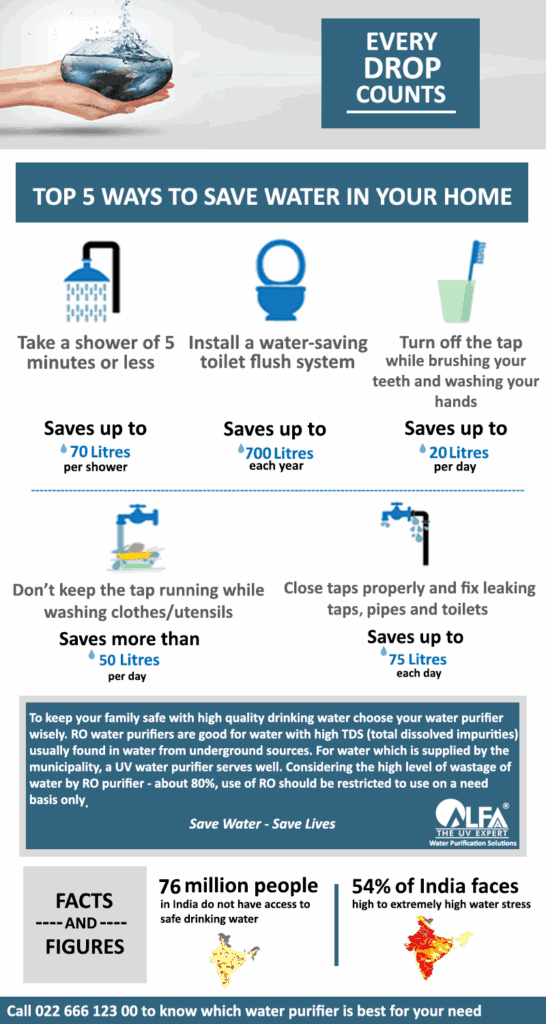
Are you looking for ways to save water in your home, bathroom, or garden? From sustainable agriculture to responsible domestic usage.
Saving water not only saves you money but also helps protect our precious planet by conserving a vital resource – water.
If you decide to save water in your home and garden, you’ll be able to brag about being eco-friendly citizens, not just for protecting the planet but also for improving local sanitation conditions. I’m not talking out of turn, but many Italian municipalities are struggling with overflowing sewage systems due to overuse of their resources, and scaling up water-saving solutions will help alleviate this issue.
Water Conservation Photos
Water conservation can be applied in every aspect of life, from industrial activities to responsible daily habits.
Domestic Water Conservation Solutions
To save water at home, you need to ensure good maintenance of all the appliances that use water: showerhead, washing machine, dishwasher, toilet, plumbing system, boiler… Even small leaks can lead to significant water waste over time. For example, a running faucet can cost up to 20 liters per day!
Bathroom Water Conservation
To start saving water in your bathroom, let’s check some common sources of waste:
- Is the toilet flush valve adjustable? Is it designed for water savings?
- Are there leaks from the plumbing system? How about the showerhead?
- What do you think about smart toilets that can save water and reduce consumption?
Kitchen Water Conservation
To reduce your water usage in the kitchen, try these tips:
- Reuse vegetable cooking water as a fertilizer for your garden.
- Use an aerator with low flow to improve plumbing system efficiency without compromising pressure or washing time.
- Choose the right washer: only use it when full capacity is reached.
Cooking Water Conservation
Different cooking techniques can also help reduce water consumption. Try using a pressure cooker!
Indoor Water Conservation Tips
Here are some general tips for reducing indoor water waste:
- Don’t flush sanitary products or wipes down the toilet! Put them in the trash instead.
- Check your plumbing system regularly to catch any leaks.
Garden Water Conservation Solutions
For advice and systems on saving water in your garden, see our separate article: “Water Conservation in Gardens”
Long-Term Benefits of Water Conservation
Saving water has many benefits not only for you but also for the planet. Here are some long-term effects:
- Less energy consumption: less water means lower energy consumption.
- Lower electricity bills
- Reduced greenhouse gas emissions
Sustainable Agriculture
In addition to domestic and kitchen conservation, sustainable agriculture is another vital area of focus in our mission to save water.
Using water-efficient crops, drip irrigation systems, or rainwater harvesting can help reduce water waste. Farmers are increasingly adopting water-saving techniques to protect their land, livestock, and local ecosystems.
Water Conservation Innovations
To save even more water at home, consider these innovations:
- Smart toilets: some toilets have built-in sensors that detect your every move
- Low-flow showerheads: installing low-flow showerheads can reduce consumption by up to 50 percent
- Rainwater harvesting systems: collecting rainwater for non-potable uses like flushing toilets
International Water Conservation Initiatives
International water conservation initiatives are also gaining momentum. Governments and organizations worldwide are working together to address global water scarcity and protect ecosystems.
Global Statistics on Water Conservation
To put the importance of water conservation into perspective, consider these statistics:
- Over 1 billion people lack access to basic sanitation
- More than 2 billion people suffer from water-borne diseases due to inadequate sanitation
Water Scarcity: A Growing Problem
Water scarcity is becoming an increasingly pressing issue worldwide. Climate change, overconsumption, and pollution are all contributing factors.
Local Impact of Water Conservation
Water conservation can have a direct impact on local communities:
- Reduced strain on municipal water supplies
- Lower sewage treatment costs
- Improved sanitation conditions
Economic Benefits of Water Conservation
Saving water not only benefits the environment but also has economic advantages. Some of these include:
- Reduced energy consumption, which in turn reduces energy prices
- Increased property values due to better maintenance and reduced flooding risks
- Job creation opportunities in industries related to water conservation
Social Benefits of Water Conservation
Water conservation can also have social benefits:
- Improved public health by reducing the risk of water-borne diseases
- Enhanced quality of life for communities with access to clean water
- Stronger, more resilient local economies
Long-Term Goals and Initiatives
To achieve long-term goals in water conservation, consider these initiatives:
- Collaborative efforts among governments, industries, and non-profit organizations
- Education and awareness campaigns targeting schools, communities, and businesses
- Development of new technologies that promote water efficiency
If you liked this article, follow me on Twitter, add me to Facebook groups, or check out my Instagram photos. The world of social media is vast and exciting!
P.S. – This article was originally published by Anna De Simone on August 20th, 2015.


