
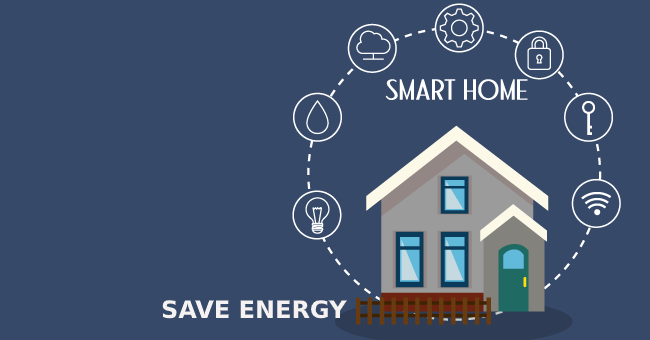
What is Smart Home Automation?
In today’s world, where technology is advancing at an unprecedented pace, it’s not hard to understand why smart home automation has become a desirable feature in many homes. But what exactly is smart home automation, and how can it benefit us in terms of energy efficiency?
The Importance of Energy Efficiency
Before we dive into the details of smart home automation, let’s take a moment to discuss its importance. With climate change and rising energy costs becoming increasingly pressing concerns, it’s essential that we find ways to reduce our energy consumption. Smart home automation is one such solution.
By automating various aspects of our homes, we can significantly minimize waste and optimize energy usage. This not only saves us money on our utility bills but also contributes to a more sustainable future.
What Does Smart Home Automation Entail?
Smart home automation refers to the use of technology to control and monitor various systems in your home. This includes lighting, temperature, security, and entertainment systems, among others. With smart home automation, you can enjoy unparalleled convenience, comfort, and energy efficiency.
But what exactly makes a system “smart”? In our opinion, it’s all about the level of integration and control that’s provided. A truly intelligent system should be able to learn your habits, adjust its settings accordingly, and ensure that everything runs smoothly without any hassle or manual intervention.
The Benefits of Smart Home Automation
So, what are some of the key benefits of smart home automation? Here are just a few:
- Energy Efficiency: By automating various systems, you can significantly reduce energy waste and optimize your utility bills.
- Convenience: With smart home automation, you can control everything from one central hub, making it easy to adjust settings and manage your home without any hassle.
- Increased Security: Smart home automation allows you to monitor your home remotely, ensuring that everything is secure and safe whenever you’re away.
- Improved Comfort: By controlling lighting, temperature, and entertainment systems with ease, smart home automation can enhance your overall living experience.
How Does Smart Home Automation Work?
So, how exactly does smart home automation work? In simple terms, it’s all about connecting various devices and systems to a central hub or controller. This hub then uses advanced algorithms to learn your habits, adjust settings accordingly, and ensure that everything runs smoothly without any manual intervention.
In our opinion, the key to successful smart home automation lies in the level of integration between different systems. When these systems are seamlessly connected, you can enjoy the full benefits of smart home technology.
Applications of Smart Home Automation
Smart home automation has a wide range of applications across various industries. Here are just a few examples:
- Residential: Smart home automation is commonly used in residential settings to enhance energy efficiency, convenience, and comfort.
- Commercial: Businesses can also benefit from smart home automation by optimizing energy usage, improving security, and increasing productivity.
Smart Home Automation Devices
There are numerous devices that make up the smart home automation system. Here are some of the most popular ones:
- Smart Thermostats: These devices can learn your temperature preferences and adjust the temperature accordingly.
- Lighting Control Systems: Smart lighting control systems allow you to control the lighting in your home remotely, ensuring that it’s always on or off when you need it to be.
- Security Cameras: Smart security cameras provide real-time video monitoring of your home, allowing you to keep an eye on things even when you’re away.
- Smart Plugs: These devices can control the power supply to various appliances in your home, ensuring that they’re always running efficiently.
Installation and Maintenance
Installing and maintaining a smart home automation system requires some technical knowledge and expertise. Here are some tips for successful installation:
- Choose a Central Hub: Selecting the right central hub is crucial for a smooth experience. Look for devices that integrate well with your existing systems.
- Connect Devices Properly: Ensure that all devices are connected to the central hub correctly, using the appropriate cables and adapters.
- Test the System: Once everything is connected, test the system thoroughly to ensure that it’s working as expected.
Common Issues and Troubleshooting
While smart home automation can be a game-changer, it’s not without its challenges. Here are some common issues you might encounter:
- Firmware Updates: Keep your devices up-to-date with the latest firmware updates to ensure they’re running smoothly.
- Device Compatibility: Ensure that all devices are compatible with each other and the central hub.
- Power Cables: Verify that power cables are secure and not damaged.
Conclusion
In conclusion, smart home automation offers numerous benefits for energy efficiency, convenience, security, and overall comfort. By automating various systems and optimizing energy usage, we can make a significant impact on our environment while enjoying a more luxurious living experience.
As technology continues to advance, it’s essential that we prioritize sustainability and energy efficiency in all aspects of life.
Frequently Asked Questions
Q: What is smart home automation?
A: Smart home automation refers to the use of technology to control and monitor various systems in your home, including lighting, temperature, security, and entertainment systems.
Q: How does smart home automation work?
A: Smart home automation works by connecting various devices and systems to a central hub or controller, which uses advanced algorithms to learn your habits, adjust settings accordingly, and ensure that everything runs smoothly without any manual intervention.
Q: What are some of the benefits of smart home automation?
A: Some of the key benefits of smart home automation include energy efficiency, convenience, increased security, and improved comfort.
Q: How can I start using smart home automation in my home?
A: To get started with smart home automation, you’ll need to invest in a range of devices and systems, including smart thermostats, lighting controls, security cameras, and more. It’s also essential to choose a central hub or controller that integrates seamlessly with all your devices.
Q: Is smart home automation worth the investment?
A: Absolutely! Smart home automation can significantly reduce energy waste, enhance convenience, and improve overall comfort. With proper installation and maintenance, you can enjoy long-term benefits and reap the rewards of this cutting-edge technology.
Q: Can I control my smart home system remotely?
A: Yes, with many smart home systems, you can control your devices and settings from anywhere using a smartphone app or tablet. This allows you to adjust settings, monitor security cameras, and manage energy usage without any hassle.
Q: How do I troubleshoot common issues with my smart home system?
A: To troubleshoot common issues with your smart home system, start by checking for firmware updates, ensuring that all devices are properly connected, and verifying that power cables are secure. If the issue persists, consult your user manual or contact customer support for assistance.
Q: What safety precautions should I take when using smart home automation?
A: To ensure safe use of smart home automation, always follow manufacturer instructions, keep devices out of reach of children and pets, and avoid installing devices in areas with high humidity or water exposure.


