
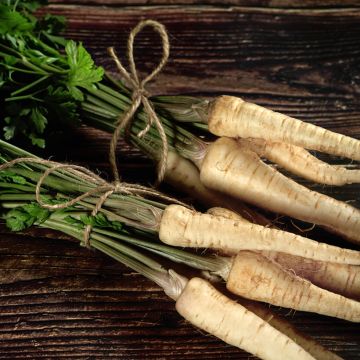
As we delve into the world of ancient foods, few vegetables have captured our attention quite like wild parsnip. Native to Europe and Asia, this humble root vegetable has been overlooked for centuries, despite its impressive nutritional profile and multitude of health benefits.
However, by cultivating wild parsnip in your own garden or on your windowsill, you can unlock its full potential and rediscover the rich flavors of the past. In this article, we’ll explore the history of wild parsnip, its nutritional properties, and the numerous ways it can contribute to a healthier lifestyle.
A Brief History of Wild Parsnip
Once ubiquitous in Italy, wild parsnip has largely fallen out of favor in recent times, making way for more modern tubers like potatoes. Yet, this ancient vegetable still boasts an impressive list of nutritional benefits, making it an excellent addition to any diet.
Wild parsnip is incredibly easy to cultivate, and its simple growth habits make it an ideal crop for small-scale gardeners or urban dwellers alike. By incorporating wild parsnip into your home cooking, you can reconnect with a bygone era while reaping the rewards of this incredible vegetable.
Nutritional Breakdown
Wild parsnip is often consumed cooked, but its raw form also boasts a wealth of nutritional value. This vegetable is characterized by:
• High levels of vitamins and minerals, particularly potassium
• Low calorie count (75 kcal per 100 grams)
• Abundant amounts of water content (80%)
• Moderate levels of carbohydrates, protein, and fiber
A 100-gram serving of cooked wild parsnip contains:
- Calories: 75 kcal
- Carbohydrates: 18 g
- Fat: 0.2 g
- Protein: 1.2 g
- Vitamins:
- B1: 0.09 mg
- B2: 0.05 mg
- B3: 0.7 mg
- B5: 0.6 mg
- B6: 0.09 mg
- Folate (B9): 67 mcg
- Vitamin C: 17 mg
- Vitamin K: 22.5 mcg
- Minerals:
- Calcium: 36 mg
- Iron: 0.59 mg
- Magnesium: 29 mg
- Manganese: 0.56 mg
- Phosphorus: 71 mg
- Potassium: 375 mg
- Sodium: 10 mg
- Zinc: 0.59 mg
These nutrients make wild parsnip an excellent addition to a balanced diet, with benefits ranging from:
- Anti-inflammatory properties
- Antioxidant effects
- Improved cardiovascular health
- Support for digestive well-being
Cooking and Preparing Wild Parsnip
To unlock the full potential of wild parsnip’s nutritional benefits, it’s essential to cook it correctly. Here are some tips for preparing this incredible vegetable:
- Cooking: Wild parsnip can be boiled, steamed, roasted, or sautéed. When cooking, leave the skin intact to retain its nutrient-rich properties.
- Raw consumption: For optimal nutritional benefits, consume wild parsnip raw whenever possible. This will help preserve its high levels of vitamins and minerals.
- Peeling: The skin of wild parsnip is rich in micronutrients like vitamins A and C. To make the most of these nutrients, peel the vegetable finely before cooking.
By embracing wild parsnip as a staple ingredient in your diet, you can tap into its incredible nutritional potential while exploring new flavors and recipes. Whether you’re a seasoned chef or an aspiring cook, this ancient root vegetable is sure to inspire culinary creativity and improve your overall health.
Frequently Asked Questions
-
What are the benefits of eating wild parsnip?
Wild parsnip boasts numerous health benefits, including:- Anti-inflammatory properties
- Antioxidant effects
- Improved cardiovascular health
- Support for digestive well-being
-
How can I cultivate wild parsnip at home?
Growing wild parsnip is simple and straightforward. Choose a spot with partial shade, moist soil, and sufficient sunlight. Plant the tubers in autumn or early spring, and enjoy your harvest in the following months. -
Can I eat raw wild parsnip?
Yes! Wild parsnip can be consumed raw to retain its high levels of vitamins and minerals. -
Is it safe to eat wild parsnip?
Wild parsnip is generally considered safe for consumption, but be sure to:- Only consume tubers from trusted sources
- Wash the vegetable thoroughly before cooking or eating raw
- Cook the tuber correctly to avoid foodborne illness
Recipe Ideas
Wild parsnip can be incorporated into a variety of dishes, from savory main courses to sweet desserts. Here are some recipe ideas to get you started:
- Roasted Wild Parsnip and Carrot Soup: Combine roasted wild parsnips and carrots with chicken broth and cream for a comforting soup.
- Wild Parsnip and Apple Salad: Toss sliced wild parsnip with mixed greens, chopped apple, and a tangy vinaigrette for a refreshing salad.
- Baked Wild Parsnip Fries: Slice wild parsnips into thin strips, toss with oil and seasoning, and bake until crispy for a delicious side dish.
- Wild Parsnip and Ginger Cake: Grate wild parsnip and combine with ginger, flour, and sugar to create a moist and flavorful cake.
By embracing wild parsnip as a staple ingredient in your diet, you can unlock its incredible nutritional potential while exploring new flavors and recipes. With its rich history, impressive nutritional profile, and versatility in the kitchen, wild parsnip is sure to become a favorite in your household.


