
As a pregnant woman, or a woman planning to become pregnant, it’s essential to understand the importance of folic acid. This nutrient plays a crucial role in preventing birth defects, particularly those related to the development of the brain and spine. In this article, we’ll delve into what folic acid is, its benefits, and how to ensure adequate intake through food sources or supplements.
What is Folic Acid?
Folic acid, also known as vitamin B9, is a vital component of the B-complex vitamins group. It’s the biologically active form of folate, which is essential for various bodily functions, including DNA synthesis and cell division. Unlike other folates found in food, folic acid is the most stable and bioavailable form, making it an excellent choice for supplements.
Why is Folic Acid Important?
Folic acid plays a critical role in preventing birth defects, particularly those related to the development of the brain and spine. During pregnancy, a woman’s body requires more folic acid due to the rapid growth and development of the fetus. A deficiency in folic acid can lead to serious complications, including:
- Spina bifida: A condition where the spinal cord and vertebrae don’t form properly.
- Anencephaly: A condition where a significant portion of the brain and skull doesn’t develop.
Food Sources of Folic Acid
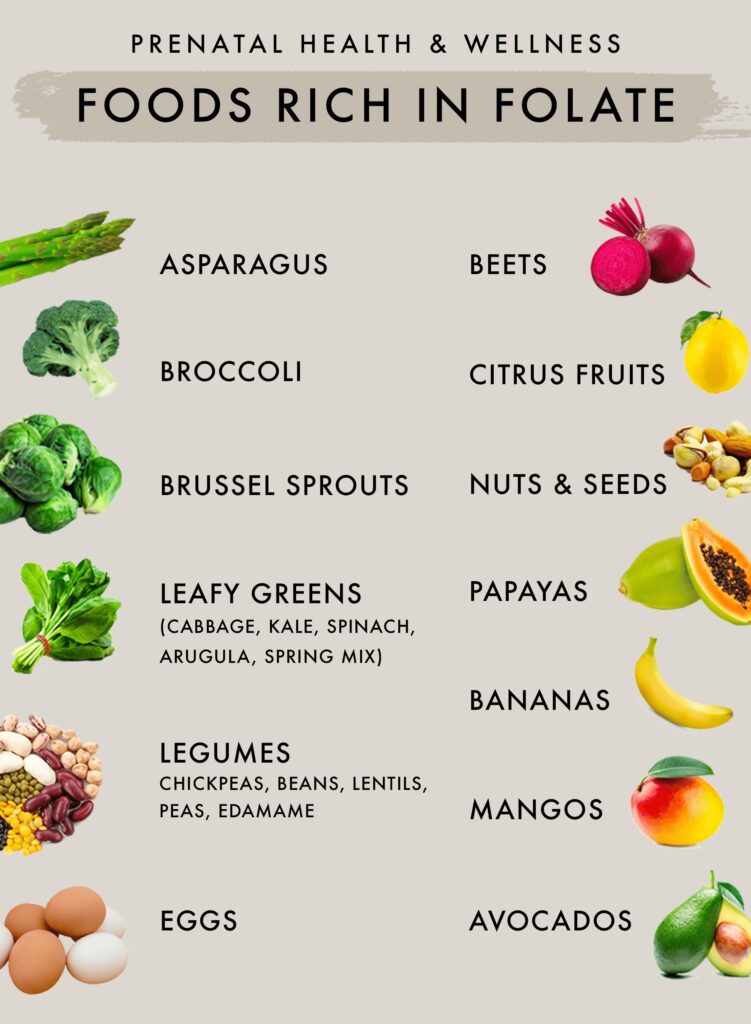
Folic acid is abundant in various foods, including:
- Leafy greens like spinach, broccoli, and kale
- Legumes such as chickpeas, black beans, and lentils
- Citrus fruits like oranges and grapefruits
- Fortified cereals
However, the bioavailability of folic acid from food sources can be limited due to factors like cooking, storage, and processing. To ensure adequate intake, it’s recommended to supplement with folic acid, especially during pregnancy or when planning to become pregnant.
Recommended Daily Intake
The daily recommended intake of folic acid varies depending on age, sex, and other factors:
- Babies under 1 year: 50 micrograms
- Children aged 1-3 years: 100 micrograms
- Children aged 4-6 years: 130 micrograms
- Children aged 7-10 years: 150 micrograms
- Adults and seniors: 200 micrograms
- Pregnant women: 400 micrograms
- Breastfeeding mothers: 350 micrograms
Folic Acid During Pregnancy
During pregnancy, the risk of birth defects increases if folic acid levels are inadequate. To minimize this risk:
- Consult a healthcare provider to determine individual needs.
- Start taking folic acid supplements at least one month before conception.
- Maintain adequate intake throughout the pregnancy and postpartum period.
Additional Tips
To ensure optimal folic acid intake:
- Consume a balanced diet rich in whole foods.
- Consider consulting with a healthcare provider or registered dietitian for personalized guidance.
- Be aware of food fortification levels, as some products may contain high amounts of folic acid.
By understanding the importance of folic acid and how to ensure adequate intake, women can take proactive steps to support their health and the development of their unborn child.


