
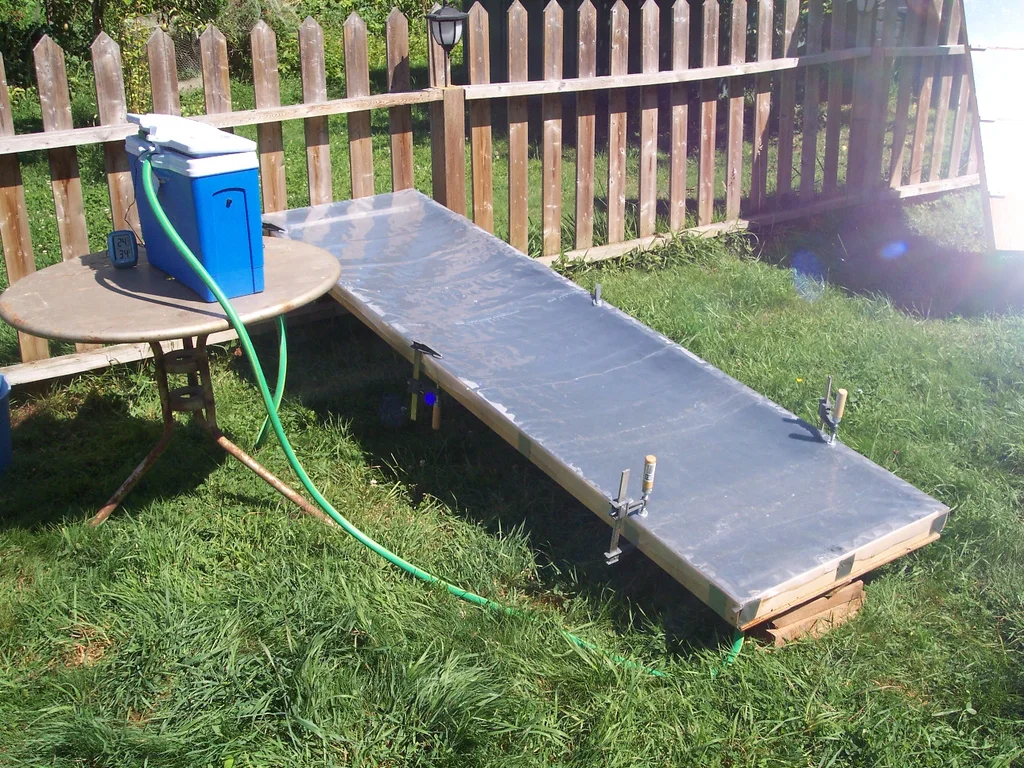
Understanding the Basics of a Solar Water Heater
Building a solar water heater that produces hot water for hygiene is not difficult. In fact, with the right materials and some basic knowledge, you can create your own solar collector at home. Not only will this help reduce your energy bills, but it’s also an eco-friendly way to harness renewable energy. Plus, using certified materials means you can take advantage of tax deductions for expenses incurred.
Materials Needed for Your Solar Collector
To build a solar water heater, you’ll need the following materials:
- Frame: This will be the structure that holds your solar collector together.
- Metal sheet: A durable material to capture sunlight and heat.
-
- Serpent tube : A copper tube used to distribute hot water.
-
- Flexible elbows: Used to connect the serpent tube to the metal sheet.
- Welding iron (in salt): For welding the metal sheet and serpent tube together.
- Insulation: To keep heat from escaping.
- Boiler: A container that stores hot water.
- Wire mesh: To protect your solar collector from debris.
- Bottom casing: The bottom part of your solar panel that helps contain the system.
Choosing the Right Materials
When selecting materials for your solar collector, consider durability, affordability, and efficiency. An iron sheet or a black-tinted wire mesh can be used as the surface capture material, with the latter being more economical. The serpent tube should be made of copper with a diameter of DN 14 or DN 16.
Step-by-Step Instructions for Building Your Solar Collector
- Design and Dimensions: Determine the dimensions of your solar panel based on commercially available options.
- Surface Capture Material: Choose an iron sheet or black-tinted wire mesh to capture sunlight and heat.
- Serpent Tube Installation: Uncoil the serpent tube onto the metal sheet, using flexible elbows for connections.
Welding the Serpent Tube
To secure the serpent tube to the metal sheet, you’ll need to drill holes at various points. Use thick wire mesh or fascines to protect your solar collector from debris. Ensure as much adherence as possible between the serpent tube and the metal sheet for better performance.
Black Varnish Application
Once the welding is complete, apply black varnish to all surfaces of the panel, including the serpent tube. This will cover unsightly welding points and provide a sleek finish.
Building Your Wooden Box
Position an insulating bottom layer (like glass wool) inside your wooden box and place the solar collector. The bottom can be made of compensat, while lateral sides should be high to contain the sheet with the welded panel. Make two holes in the side wall for the exit of the copper serpent tube.
Connecting the Copper Serpent Tube
Connect a pipe between the copper serpent tube and your boiler. This will distribute hot water throughout your home or business.
Safety Precautions
When building your solar collector, be aware that temperatures can reach hazardous values if not properly insulated or maintained. Make sure to exchange accumulated energy regularly to prevent this.
Conclusion
Building a solar collector is an exciting project that combines eco-friendliness with practicality. With the right materials and instructions, you can create your own solar water heater at home. Remember to take necessary safety precautions and follow local regulations regarding solar collectors.
Frequently Asked Questions
- What are the benefits of building a solar collector? Building a solar collector provides an eco-friendly way to heat your home or business while reducing energy bills.
- Which materials should I use for my solar collector? Use iron sheets, black-tinted wire mesh, copper serpent tubes, flexible elbows, welding irons in salt, insulation, boilers, and wire mesh for optimal performance.
- What are the dimensions of a typical solar panel? Commercially available options typically range from 1 meter wide to 2 meters long.
- How do I ensure adherence between the serpent tube and metal sheet? Drill holes at various points and use thick wire mesh or fascines to protect your collector. Ensure as much adhesion as possible for better performance.
- What safety precautions should I take when building my solar collector? Be aware that temperatures can reach hazardous values if not properly insulated or maintained, and make sure to exchange accumulated energy regularly.
- Can I use any type of material for the serpent tube? Copper tubes with diameters of DN 14 or DN 16 are ideal for optimal performance.
- What is the role of flexible elbows in building a solar collector? Flexible elbows connect the serpent tube to the metal sheet, allowing it to bend and adapt to different angles.
- Can I build my solar collector indoors? While it’s possible to build a solar collector indoors, consider the amount of sunlight available and whether your indoor space can accommodate the system.
By following these steps and tips, you can successfully build your own solar collector at home and enjoy the benefits of renewable energy while reducing your environmental impact.



