
Introduction
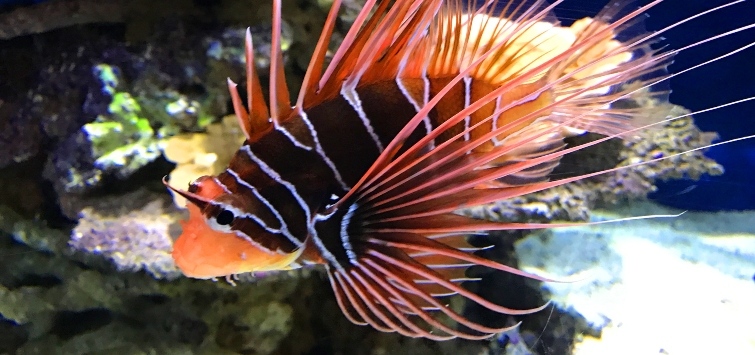
Scorpionfish, members of the family Scorpaenidae (order Scorpaeniformes, suborder Scorpaenoidei), are a fascinating group of marine animals known for their striking dorsal and pectoral fins. With approximately 400 species, they can be found in various parts of the world’s oceans. In this article, we will delve into the world of scorpionfish keeping, exploring their care, feeding, and handling requirements.
Scorpionfish: An Overview
Scorpionfish are solitary creatures that thrive in their natural habitat. They require a single companion when kept in an aquarium, as they can be aggressive towards other fish. Some popular species for aquarium enthusiasts include:
- Dendrochirus zebra (also known as the striped scorpionfish)
- Parteroide heterurus (the black scorpionfish)
- Pterois antennata (the red-tailed scorpionfish)
- Pterois sphex (the Hawaiian scorpionfish)
Keeping Scorpionfish in Aquariums
Scorpionfish are relatively low-maintenance aquarium fish, but they do require specific conditions to thrive. They need plenty of swimming space and hiding places, such as rock caves or coral formations, to feel secure.
In the wild, scorpionfish are nocturnal, feeding on small fish and crustaceans. In an aquarium setting, it’s essential to provide a balanced diet that includes meaty foods like brine shrimp or mysis shrimp.
A Balanced Diet for Scorpionfish
Scorpionfish have specific dietary requirements that should be met in order to maintain their health and well-being. A varied diet that includes:
- Live or frozen brine shrimp
- Mysis shrimp
- Occasional supplementation with fish meat, such as red snapper or cod
Avoid using only freeze-dried foods, as this can lead to nutritional deficiencies.
Handling Scorpionfish: Caution is Advised
Scorpionfish have venomous spines that can cause painful stings. When handling these animals, it’s crucial to exercise caution and follow proper procedures:
- Wear gloves when reaching into the aquarium or interacting with the fish
- Avoid touching the fish’s spines or fins
- Never remove a scorpionfish from its aquarium without proper equipment and expertise
Creating a Suitable Environment for Scorpionfish
Scorpionfish are sensitive to water quality and require specific parameters to thrive. Here are some key factors to consider when creating an environment that will support your scorpionfish:
- Water temperature: Keep the water temperature between 72°F (22°C) and 82°F (28°C), with a slight drop in temperature at night.
- pH levels: Maintain a pH range of 8.1 to 8.3, which is slightly alkaline.
- Salinity: Scorpionfish are saltwater fish and require a specific salinity level between 1.020 and 1.025.
- Water hardness: Maintain a water hardness between 10 and 20 dKH, which is relatively soft to moderate.
Caring for Your Aquarium
In addition to providing a suitable environment, it’s essential to maintain good aquarium hygiene:
- Regularly test the water quality and make adjustments as needed
- Perform partial water changes every week to remove waste products and maintain optimal water parameters
- Clean the aquarium regularly by siphoning out debris and removing algae growth
Conclusion
Keeping scorpionfish in aquariums can be a rewarding experience, but it requires attention to their specific needs. By providing a balanced diet, creating a suitable environment, and handling them with care, you can enjoy the beauty and majesty of these fascinating creatures.
Frequently Asked Questions
- Can I keep multiple scorpionfish together?
No, it’s not recommended to keep multiple scorpionfish in the same aquarium due to their territorial nature. - What is the best diet for scorpionfish?
A balanced diet that includes live or frozen brine shrimp, mysis shrimp, and occasional supplementation with fish meat is essential for maintaining good health. - How often should I feed my scorpionfish?
Feed your scorpionfish once or twice a day, depending on their size and appetite. - Can scorpionfish be kept in freshwater aquariums?
No, scorpionfish are marine animals that require saltwater aquariums to thrive. - How do I care for my scorpionfish if I have an allergic reaction?
If you experience an allergic reaction after handling a scorpionfish, seek medical attention immediately and follow proper first aid procedures. - Can scorpionfish be kept in small aquariums?
While it’s possible to keep scorpionfish in smaller aquariums, they require ample swimming space and hiding places to feel secure. - How do I prevent my scorpionfish from escaping its aquarium?
Use a secure lid or screen top on your aquarium to prevent your scorpionfish from jumping out. - Can scorpionfish be kept in community aquariums?
No, scorpionfish are best suited for separate aquariums due to their territorial nature and potential aggression towards other fish.
Advanced Scorpionfish Keeping Techniques
- Breeding scorpionfish: Breeding scorpionfish can be a challenging process, but with the right techniques and equipment, you can successfully raise your own eggs or larvae.
- Aquascaping for scorpionfish: Creating an aquarium landscape that incorporates rock caves, coral formations, and other hiding places can help to stimulate your scorpionfish’s natural behavior.
- Scorpionfish breeding program: Establishing a breeding program for scorpionfish can be an exciting project, but it requires careful planning and attention to detail.


