
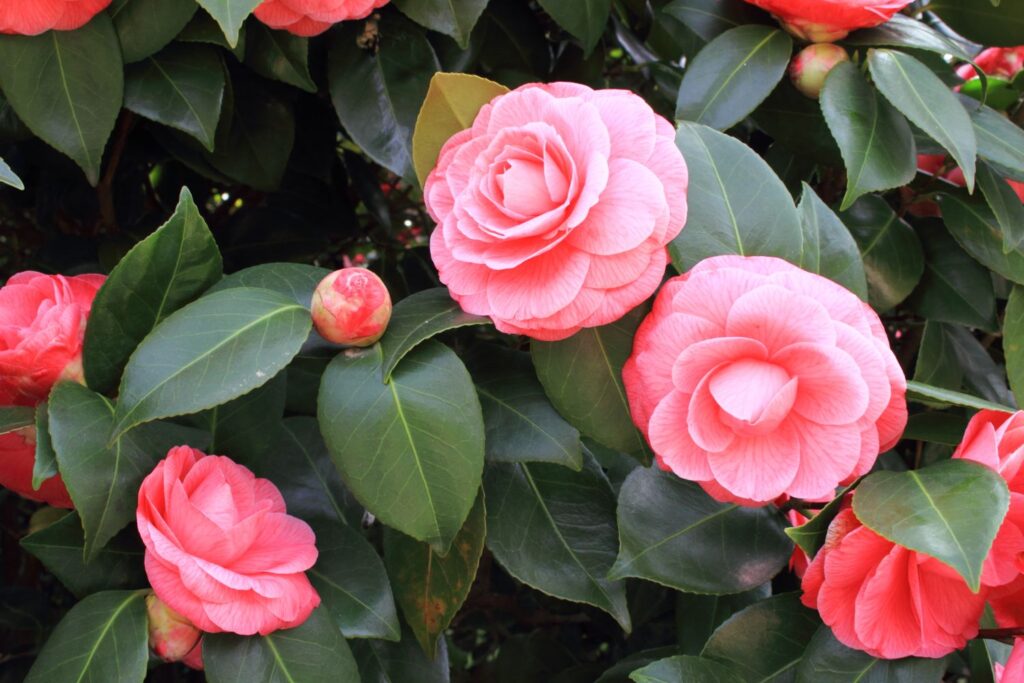
Camellia Care: A Comprehensive Guide to Growing Camellias in Vases
Introduction
Camellias are a popular choice for gardeners and indoor plant enthusiasts alike, with their stunning flowers and attractive foliage. However, caring for camellias can be a bit challenging, especially when it comes to transplanting them from one vase to another. In this article, we’ll cover everything you need to know about camellia care, including how to propagate, fertilize, and prune your camellias.
Understanding Camellia Needs
Before we dive into the nitty-gritty of camellia care, it’s essential to understand their basic needs. Camellias are acid-loving plants that thrive in partial shade, making them perfect for indoor spaces with limited natural light. They also prefer well-draining soil and consistent moisture levels.
When to Transplant a Camellia
Transplanting your camellia is crucial for its health and survival. The best time to transplant a camellia is during the autumn season when it’s dormant, or in late winter before new growth begins. Avoid transplanting in extreme weather conditions like intense heat or cold.
How to Transplant a Camellia
Transplanting a camellia requires some care to ensure that your plant remains healthy and thriving. Here are the steps involved:
- Prepare the pot: Before transplanting, make sure your pot is clean and dry.
- Trim back roots: Trim back any dead or damaged roots using sterile pruning tools.
- Remove old soil: Carefully remove the old soil from the root ball of your camellia.
- Add new soil: Fill the pot with fresh, acidic soil specifically designed for acid-loving plants like camellias.
- Plant at same depth: Plant your camellia at the same depth as it was in its previous pot, ensuring that the node (where the roots meet the stem) is level with the soil surface.
Additional Camellia Care Tips
In addition to transplanting, there are several other essential care tips for camellias:
- Watering: Water your camellia thoroughly after repotting and keep the soil consistently moist but not waterlogged.
- Pruning: Prune your camellia in late winter or early spring, removing dead or damaged branches to maintain its shape and promote healthy growth.
- Fertilizing: Use a balanced fertilizer specifically designed for acid-loving plants like camellias to provide essential nutrients.
Choosing the Right Camellia Variety
With numerous varieties of camellias available, selecting the right one can be overwhelming. Here are some popular varieties suitable for indoor cultivation:
- Dr. Jean-Paul Anthoine: A vibrant red variety with showy flowers from February to April.
- Alba Simplex: A white variety with simple blooms from February to March.
- Adolphe Audusson: A robust, cold-hardy variety with long-lasting flowers from February.
- Tricolor de Siebold: A unique, multicolored variety with showy flowers from February to March.
Concimazione della Camellia
Camellias require specific fertilization for optimal growth and flowering. Avoid using regular fertilizers that contain nitrogen as it can cause excessive leaf growth at the expense of flowers. Instead, opt for a balanced fertilizer specifically designed for acid-loving plants like camellias.
Propagation of Camellias
Propagating your camellia can be an exciting way to share plants with friends and family or to create new ones for yourself. Here are some popular methods of propagating camellias:
- Stem cuttings: Cut back long stems in the fall, just above a node (where the leaves meet the stem). Remove lower leaves and plant them in acidic soil.
- Leaf cuttings: Take 3-4 inch leaf cuttings from mature leaves, removing any veins or stems. Plant them in acidic soil.
Common Problems with Camellias
Despite proper care, camellias may still encounter some common problems. Here are some potential issues and how to address them:
- Root rot: If your camellia’s roots appear soft or mushy, it may be infected by root rot. Trim back the affected area and repot with fresh soil.
- Pests: Check for pests like spider mites, mealybugs, and aphids. Treat infestations promptly to prevent damage.
Conclusion
Growing camellias can be an incredibly rewarding experience, especially when you understand their basic needs and follow proper care tips. By selecting the right variety, providing adequate soil conditions, fertilizing accordingly, propagating, and monitoring for common problems, you’ll enjoy vibrant blooms and lush foliage in your home or garden.
Additional Resources
If you’re looking for more information on growing camellias, here are some additional resources to help:
- Camellia Societies: Joining a local camellia society can provide access to expert advice, networking opportunities, and beautiful plants.
- Online forums: Participating in online forums dedicated to camellia enthusiasts can connect you with other growers who share knowledge and experiences.
Conclusion
Growing camellias is a rewarding experience that requires attention to detail. By following these care tips, choosing the right variety, and understanding common problems, you’ll be well on your way to creating stunning indoor gardens or outdoor landscapes featuring beautiful camellia plants.


