
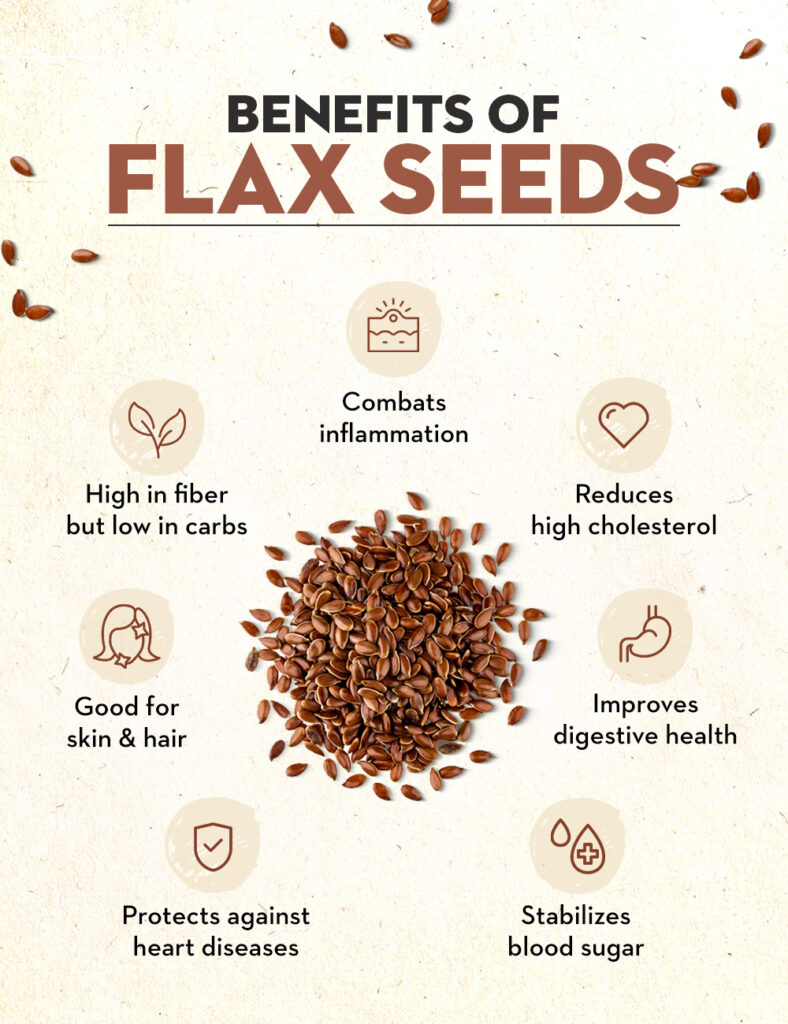
As we continue to seek out natural remedies and holistic approaches to health, it’s becoming increasingly clear that linseed seeds (also known as flaxseeds) are a nutritional powerhouse. These tiny seeds may look simple, but they’re packed with an impressive array of nutrients, including omega-3 fatty acids, vitamins, minerals, and antioxidants.
In this article, we’ll delve into the world of linseed seeds, exploring their history, nutritional benefits, and how to incorporate them into your diet. From reducing inflammation to supporting heart health, we’ll examine the numerous ways in which these tiny seeds can have a significant impact on our overall well-being.
The Origins of Linseed Seeds
Linseed (Linum usitatissimum) is an ancient crop that has been cultivated for over 7,000 years. Its origins date back to the Neolithic period, with evidence suggesting that it was first grown in Georgia around 30,000 BCE. The seeds themselves have been used for a variety of purposes, including food, medicine, and even as a source of oil.
Today, linseed seeds are still widely used in traditional medicine, particularly in Asia and Europe. They’re also a popular ingredient in many health foods and supplements.
Nutritional Benefits
Linseed seeds are an excellent source of nutrients, including:
- Omega-3 fatty acids (40% of the Daily Value per 100g serving)
- Fiber (28% of the Daily Value per 100g serving)
- Protein (20% of the Daily Value per 100g serving)
- Vitamin E
- Minerals like calcium, magnesium, and zinc
These nutrients have been shown to have a range of health benefits, including:
- Reducing inflammation
- Supporting heart health
- Improving digestive health
- Boosting immune function
The Benefits of Linseed Oil
Linseed oil is extracted from the seeds themselves and is rich in omega-3 fatty acids. This oil has been used for centuries in traditional medicine to treat a range of conditions, including skin issues, joint pain, and even cancer.
Today, linseed oil is still widely used as a natural remedy, particularly for its anti-inflammatory properties. It’s also commonly used in skincare products due to its moisturizing and antioxidant properties.
How to Incorporate Linseed Seeds into Your Diet
Linseed seeds can be consumed whole, ground into flour or meal, or even extracted into oil. Here are some ways to incorporate them into your diet:
- Consume 1-2 tablespoons of linseed seeds per day, either soaked in water or added to smoothies
- Mix linseed flour into baked goods, such as muffins and cakes
- Use linseed oil as a natural remedy for skin issues or joint pain
- Add linseed meal to your favorite recipes for an extra dose of fiber and nutrition
Tips for Storing Linseed Seeds
Linseed seeds are delicate and require careful storage to maintain their nutritional potency. Here are some tips:
- Store linseed seeds in a cool, dark place to prevent oxidation
- Use glass containers or airtight bags to store linseed seeds
- Refrigerate linseed oil at 40°F (4°C) to prolong its shelf life
Common Questions and Concerns
Here are some frequently asked questions and concerns about linseed seeds:
Q: Are linseed seeds safe for everyone to consume?
A: Linseed seeds are generally considered safe, but individuals with allergies or sensitivities should consult with a healthcare professional before consumption.
Q: Can linseed seeds interact with medications?
A: There is limited research on the interactions between linseed seeds and medications. However, individuals taking blood thinners or other medications should consult with their doctor before consuming linseed seeds.
Q: Are linseed seeds suitable for pregnant or breastfeeding women?
A: Linseed seeds are generally considered safe for pregnant and breastfeeding women, but it’s essential to consume them in moderation (1-2 tablespoons per day).
Q: Can linseed seeds cause digestive issues?
A: Some individuals may experience gastrointestinal side effects, such as bloating or gas, when consuming linseed seeds. However, these symptoms are usually mild and temporary.
Health Benefits of Linseed Seeds
Linseed seeds have been shown to have a range of health benefits, including:
- Reducing inflammation: Linseed seeds contain anti-inflammatory compounds that can help reduce inflammation in the body.
- Supporting heart health: The omega-3 fatty acids and fiber in linseed seeds can help lower cholesterol levels and improve blood lipid profiles.
- Improving digestive health: Linseed seeds are high in fiber, which can help regulate bowel movements and prevent constipation.
- Boosting immune function: Linseed seeds contain antioxidants and other nutrients that can help support the immune system.
Nutritional Comparison
Here’s a comparison of linseed seeds to other common sources of omega-3 fatty acids:
| Food | Omega-3 Fatty Acids (per 100g serving) |
|---|---|
| Chia Seeds | 49% |
| Flaxseeds | 40% |
| Walnuts | 10% |
| Salmon | 5% |
As you can see, linseed seeds are an excellent source of omega-3 fatty acids compared to other common sources.
Precautions and Side Effects
While linseed seeds are generally considered safe, there are some precautions and side effects to be aware of:
- Allergic reactions: Some individuals may experience allergic reactions when consuming linseed seeds.
- Digestive issues: Consuming large amounts of linseed seeds can cause gastrointestinal side effects such as bloating or gas.
- Interactions with medications: Linseed seeds may interact with certain medications, such as blood thinners.
Conclusion
Linseed seeds are a nutritional powerhouse that offers a range of health benefits. By incorporating them into your diet through whole seeds, flour, meal, or oil, you can unlock their full potential and reap the rewards of this tiny but mighty superfood.
Remember to store linseed seeds properly and consume them in moderation to avoid any adverse effects. With its rich nutritional profile and versatility, linseed seeds are an excellent addition to a healthy diet.
FAQs
-
What is the recommended daily intake of linseed seeds?
A: 1-2 tablespoons per day -
Can I take linseed seeds with medications?
A: Consult with your doctor before consuming linseed seeds if you’re taking medications or have allergies/sensitivities. -
Are linseed seeds suitable for pregnant/breastfeeding women?
A: Linseed seeds are generally considered safe, but consume in moderation (1-2 tablespoons per day). -
Can I experience digestive issues from consuming linseed seeds?
A: Some individuals may experience gastrointestinal side effects, such as bloating or gas. -
How do I store linseed seeds to maintain their nutritional potency?
A: Store linseed seeds in a cool, dark place, and refrigerate linseed oil at 40°F (4°C). -
Can I use linseed seed flour in baking?
A: Yes! Mix linseed flour into baked goods for an extra dose of fiber and nutrition. -
What is the best way to consume linseed seeds?
A: Soak linseed seeds in water, add them to smoothies, or mix with other foods for a nutritious snack. -
Can I use linseed seed oil as a natural remedy?
A: Yes! Linseed oil has anti-inflammatory and moisturizing properties that can be beneficial for skin and joint health.


