
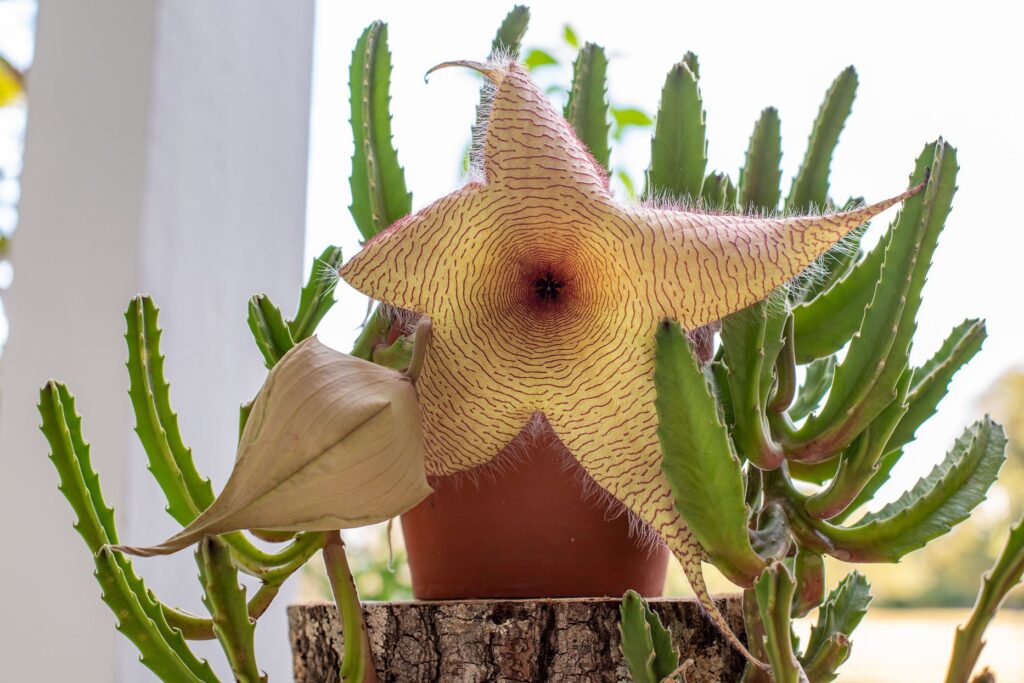
Stapelia, also known as the starfish plant, is a popular succulent among gardeners and horticulturists. Native to southern Africa, this plant has gained a reputation for its striking flowers that resemble starfish. But what makes stapelia so special? Let’s dive into the world of this fascinating plant.
What is Stapelia?
Stapelia is a genus of succulent plants belonging to the Asclepiadaceae family. There are 60 different species of stapelia, all originating from southern Africa. These plants are known for their unique appearance and ability to thrive in harsh conditions.
The Starfish Plant vs. The Sea Star
One common confusion surrounds the name “starfish” when referring to stapelia. This is due to the fact that another marine animal, the sea star, shares a similar appearance with these plants. However, stapelia is indeed a plant, not an animal. The term “starfish plant” was coined to describe its unique flower shape.
Characteristics of Stapelia
Stapelia plants are characterized by their fleshy leaves, which can range in color from green to red for some species. These leaves store water and help the plant survive in dry conditions. The flowers of stapelia are a key feature, with petals shaped like starfish. The central part of the flower contains nectar that attracts pollinators.
Growing Stapelia
Like other succulents, stapelia requires specific growing conditions to thrive. Here are some tips for growing this beautiful plant:
Lighting and Temperature
Stapelia plants prefer full sun to partial shade. They can tolerate a wide range of temperatures but should be protected from frost and freezing temperatures.
- Stapelia prefers daytime temperatures between 65°F (18°C) and 75°F (24°C).
- Nighttime temperatures should be no lower than 55°F (13°C).
Watering and Soil
Stapelia does not like wet feet, so the soil should be well-draining. If you live in an area with cold winters, consider growing stapelia in pots that can be moved indoors during the winter months.
- Water your stapelia plant sparingly until the soil is dry to the touch.
- Increase watering frequency during the spring and summer months when the plant is actively growing.
Potting Mix
A good potting mix for succulents like stapelia can be made by combining 75% of perlite or sand with 25% of organic matter such as peat moss or compost.
- Use a potting mix specifically designed for cacti and succulents.
- Avoid using regular garden soil, as it can retain too much water and cause root rot.
Fertilization and Pruning
To promote healthy growth, fertilize your stapelia plant in the spring and summer months. Prune the plant regularly to maintain its shape and encourage new growth.
- Use a balanced fertilizer specifically designed for succulents.
- Fertilize sparingly during the fall and winter months when the plant is dormant.
Diseases and Pests
Stapelia plants are susceptible to diseases such as root rot and pests like mealybugs. Regularly inspect your plant for any signs of illness or infestation.
- Watch for signs of disease, such as soft, mushy stems and yellowing leaves.
- Use insecticidal soap or neem oil to treat infestations of pests like mealybugs and spider mites.
Tips for Growing Stapelia Indoors
If you live in a region with harsh winters, growing stapelia indoors can be a great way to keep the plant alive during the colder months. Here are some tips:
- Keep the plant away from drafts and cold windows.
- Water the plant sparingly until it’s time to fertilize again.
- Use a potting mix specifically designed for indoor plants.
Common Varieties of Stapelia
There are many different varieties of stapelia, each with its unique characteristics. Here are some of the most popular species:
- Stapelia grandiflora: This variety is known for its large, showy flowers that can reach up to 3 inches in diameter.
- Stapelia coccinea: Also known as the “red starfish plant,” this variety has bright red flowers that attract hummingbirds and other pollinators.
- Stapelia campanulata: This variety is smaller than Stapelia grandiflora, with flowers that are more cup-shaped.
Where to Buy Stapelia Plants
You can purchase stapelia plants from reputable nurseries or online retailers. Some popular options include:
- Local garden centers
- Online marketplaces like Amazon
- Specialty succulent stores
Conclusion
Growing stapelia requires attention to specific growing conditions, but the reward is well worth it. With proper care and attention, this beautiful plant can thrive in your home or garden.
Frequently Asked Questions
Q: How often should I water my stapelia plant?
A: Water your stapelia plant sparingly until the soil is dry to the touch. Then, increase watering frequency during the spring and summer months when the plant is actively growing.
Q: Can I grow stapelia indoors?
A: Yes, you can grow stapelia indoors in pots that can be moved away from cold windows and drafts. Make sure to provide adequate lighting and fertilize regularly.
Q: How often should I fertilize my stapelia plant?
A: Fertilize your stapelia plant during the spring and summer months when it’s actively growing. Use a balanced fertilizer specifically designed for succulents.
Q: What are some common diseases that affect stapelia plants?
A: Stapelia plants can be susceptible to root rot, mealybugs, and other pests. Regularly inspect your plant for any signs of illness or infestation.
Q: Can I propagate stapelia plants through division?
A: Yes, you can divide stapelia plants during the spring when new growth appears. Make sure to handle the roots carefully and water thoroughly after repotting.
Q: How often should I prune my stapelia plant?
A: Prune your stapelia plant regularly to maintain its shape and encourage new growth. Cut back any dead or damaged leaves or stems.
Common Problems with Stapelia Plants
Despite their unique appearance, stapelia plants can experience a range of problems. Here are some common issues:
- Overwatering: Stapelia plants do not like wet feet, so make sure to water sparingly until the soil is dry.
- Pests: Mealybugs and spider mites are two common pests that can infest stapelia plants. Use insecticidal soap or neem oil to treat infestations.
- Root rot: Stapelia plants can be susceptible to root rot if they’re overwatered or exposed to wet conditions. Make sure the soil is well-draining and avoid getting water on the leaves.
Propagation of Stapelia Plants
Stapelia plants can be propagated through division, offsets, or seed. Here are some tips:
- Division: Divide stapelia plants during the spring when new growth appears. Handle the roots carefully and water thoroughly after repotting.
- Offsets: Allow stapelia plants to produce offsets (small plants that grow around the base of the mother plant). Remove the offset from the parent plant, making sure not to damage the roots or stem.
- Seed: Stapelia seeds are relatively rare, as they’re often dispersed by animals. If you do have stapelia seeds, make sure to sow them in well-draining soil and provide adequate light.
Tips for Keeping Stapelia Plants Healthy
To keep your stapelia plant healthy, follow these tips:
- Provide proper lighting: Stapelia plants prefer full sun to partial shade.
- Maintain a consistent temperature: Keep the plant away from drafts and cold windows.
- Water sparingly: Water your stapelia plant sparingly until the soil is dry to the touch.
- Fertilize regularly: Use a balanced fertilizer specifically designed for succulents during the spring and summer months when the plant is actively growing.
By following these tips, you’ll be able to keep your stapelia plant healthy and thriving. With proper care, this beautiful plant can add a unique touch to your home or garden.
Conclusion
Growing stapelia requires attention to specific growing conditions, but the reward is well worth it. With proper care and attention, this beautiful plant can thrive in your home or garden. Whether you’re looking for a unique addition to your indoor space or a stunning accent for your outdoor garden, stapelia plants are definitely worth considering.
By understanding the characteristics of stapelia, how to grow them, and some common problems that may arise, you’ll be able to provide the best possible care for these fascinating plants. With their striking flowers and unique appearance, stapelia plants are sure to capture the hearts of any succulent enthusiast.


