
Snails can be a real nuisance in your garden, leaving behind slimy trails and devouring your favorite vegetables. But don’t worry, we’ve got some effective methods to help you get rid of snails without using harsh chemicals.
What Attract Snails to Your Garden?
Before we dive into the solutions, let’s talk about what attracts snails to your garden. These slimy creatures love:
- Fresh and humid environments
- Vegetation with plenty of hiding spots (like leaves, stems, and flowers)
- Food sources like juicy vegetables, fruits, and flowers
Snails are attracted to gardens that provide the perfect combination of food, water, and shelter. They can thrive in a variety of conditions, from cool and damp to warm and dry.
Understanding Snail Behavior
To effectively get rid of snails, it’s essential to understand their behavior and habits. Here are some interesting facts about snails:
- Snails are nocturnal, meaning they’re most active at night
- They have a highly developed sense of smell and can detect food sources from far away
- Snails are attracted to bright colors and can detect ultraviolet light
- They can move slowly but steadily, often leaving behind a trail of slime
Natural Remedies to Keep Snails Away
While these methods might not be 100% effective, they can help deter snails from your garden.
1. Salt Barrier
Create a salt barrier around the perimeter of your garden by sprinkling coarse salt. The snails won’t like the dryness and will try to find another spot. Just make sure to rinse off any rain or irrigation water that might wash away the salt.
Pros: Easy to set up, natural, and non-toxic
Cons: May need to be reapplied regularly
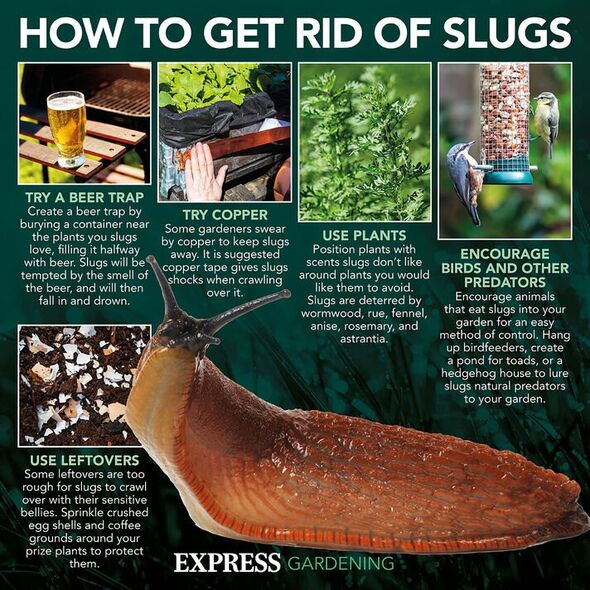
2. Barrier Plants
Plant snail-repellent plants like marigolds, chives, garlic, and daffodils around your garden. These plants will release chemical signals that repel snails.
Pros: Aesthetic appeal, natural, and easy to set up
Cons: May not be effective against large numbers of snails
3. Beer Traps
Set up a beer trap by filling a shallow container with beer and placing it near the affected area. Snails are attracted to the yeast in the beer and will drown in it.
Pros: Easy to set up, non-toxic, and can be reused
Cons: May need to be replenished regularly
4. Cenote Fertilizer
Sprinkle a small amount of crushed eggshells or diatomaceous earth around your plants. Snails don’t like the sharp edges or dryness.
Pros: Natural, non-toxic, and eco-friendly
Cons: May need to be reapplied regularly
5. Copper Barriers
Copper is toxic to snails, so placing copper tape or mesh around your plants can deter them.
Pros: Effective, natural, and non-toxic
Cons: May corrode over time
Lures for Trapping Snails
If you still want to use a trap, here are some lures that might work:
- Coffee grounds
- Banana peels
- Crushed eggshells
- Diatomaceous earth
Remember to check local regulations before using any chemicals or traps.
Organic Gardening Techniques
In addition to these snail-repelling methods, there are several organic gardening techniques you can use to create a snail-free garden:
1. Mulching
Mulch around your plants to prevent snails from reaching the soil. Organic mulch like wood chips or bark can be effective.
Pros: Easy to set up, natural, and eco-friendly
Cons: May need to be reapplied regularly
2. Companion Planting
Plant companion plants like basil, mint, and lemongrass near your vegetables. These plants can repel snails and other pests.
Pros: Aesthetic appeal, natural, and easy to set up
Cons: May not be effective against large numbers of snails
3. Crop Rotation
Rotate your crops regularly to break the snail life cycle. This will also help improve soil health and reduce pest pressure.
Pros: Natural, non-toxic, and eco-friendly
Cons: Requires planning and coordination
Pest Control Strategies
While snails can be a nuisance, they’re not typically considered pests in the same category as insects or rodents. However, if you have a large infestation, here are some pest control strategies to consider:
1. Trapping
Set up traps around your garden using lures like beer or coffee grounds.
Pros: Easy to set up, non-toxic, and can be reused
Cons: May need to be replenished regularly
2. Barriers
Use barriers like copper tape or mesh to prevent snails from reaching your plants.
Pros: Effective, natural, and non-toxic
Cons: May corrode over time
3. Cultural Controls
Modify your garden practices to discourage snail populations. For example, reduce watering frequency or use raised beds with good drainage.
Pros: Natural, non-toxic, and eco-friendly
Cons: Requires planning and coordination
Conclusion
Getting rid of snails from your garden can be challenging, but there are many natural and effective methods to try. From salt barriers to beer traps, we hope you’ve found some useful tips in this article. Happy gardening!
Frequently Asked Questions (FAQs)
Q: How often should I apply the salt barrier?
A: Depending on the climate and rainfall, you may need to reapply the salt barrier every 1-2 weeks.
Q: Can I use other types of plants as snail repellents?
A: Yes! Many herbs and flowers can repel snails. Some examples include lavender, chamomile, and nasturtiums.
Q: Are beer traps safe for pets or children?
A: It’s best to keep beer traps out of reach of pets and children to avoid any accidents.
Q: How effective are copper barriers in preventing snail infestations?
A: Copper barriers can be very effective, but may need to be replaced every 1-2 years due to corrosion.
Q: Can I use other types of lures for trapping snails?
A: Yes! Other lures like coffee grounds, banana peels, crushed eggshells, and diatomaceous earth might work.


