
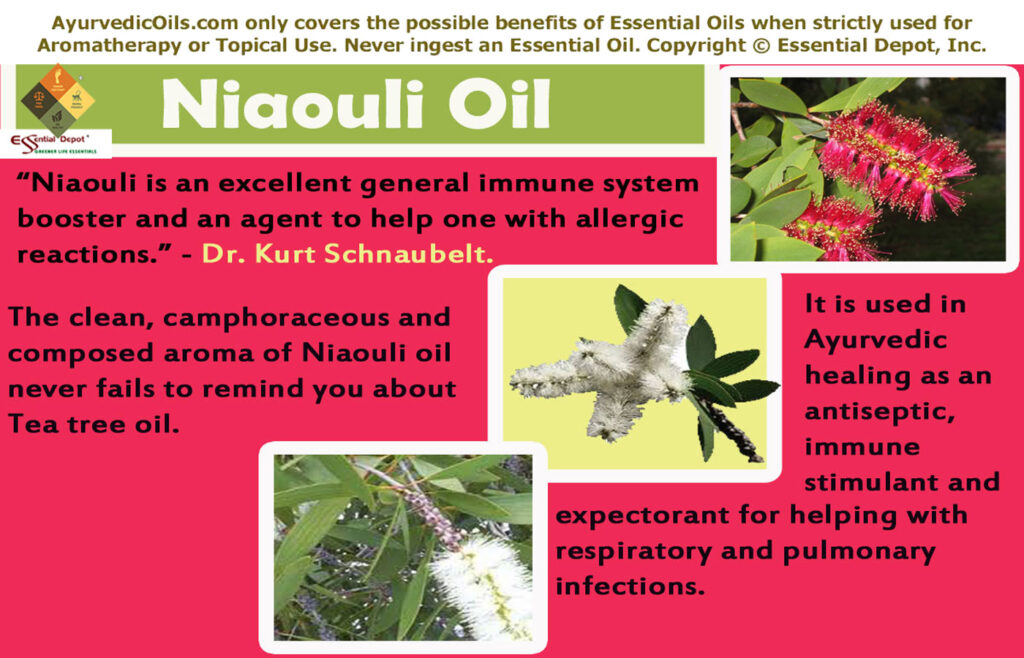
Are you curious about the mysterious properties of Niaouli? This ancient Australian tree has been a source of fascination for centuries, with its oil extracted to provide relief from various health issues. In this article, we will delve into the definition, properties, and uses of Niaouli’s essential oil, exploring its potential benefits and limitations.
What is Niaouli?
Niaouli (Melaleuca cajuputi) is an evergreen tree native to Australia, New Caledonia, and Madagascar. Its distinctive features include long, leafy branches and yellow flowers that grow in clusters at the end of each stem. The tree’s corteccia is spongy, with multiple layers, while its trunk is flexible and can reach impressive heights.
Niaouli trees are known for their fast growth rate and ability to thrive in a variety of environments. They can grow up to 15 meters tall and live for hundreds of years. The tree’s bark is valued for its medicinal properties, which have been used by indigenous Australians for centuries to treat various health issues.
History of Niaouli
Niaouli has been used by traditional healers in Australia, New Caledonia, and Madagascar for over 1,000 years. Its oil was extracted from the tree’s bark, leaves, or seeds, and used to treat a range of ailments, including infections, wounds, and skin conditions.
In the 19th century, French colonizers introduced Niaouli to New Zealand, where it became a popular ingredient in traditional medicine. The oil was also used as an insect repellent and for its antiseptic properties.
The Uses of Niaouli Essential Oil
Niaouli essential oil has been used for centuries in traditional medicine to address various health concerns. While some benefits are backed by scientific evidence, others remain anecdotal.
Skin Care
Niaouli’s oil is beneficial for all skin types, from normal to oily or acne-prone. It can be added to toning recipes or used in small dilutions when needed. The oil also helps with regeneration, making it suitable for conditions like psoriasis.
For minor cuts and scrapes, Niaouli essential oil can be used in a diluted water solution to aid healing and promote the healing process. Mix 10 drops of Niaouli with 8 drops of lavender oil and apply topically to reduce inflammation and promote wound healing.
Muscle and Joint Relief
In Madagascar, Niaouli oil is used to alleviate muscle and joint pain. To create a massage oil blend, mix 10 drops of Niaouli with 8 drops of Geranium, 5 drops of black pepper, and 5 drops of Sweet Marjoram. This blend can help reduce inflammation and promote relaxation.
Respiratory Health
Niaouli’s cineol content has been believed to aid in respiratory health issues, such as bronchitis or sinus infections. Inhalation methods include using the oil in a handkerchief, adding it to warm water, or placing a few drops on an inhaler. Mix 5 drops of Niaouli with 10 drops of eucalyptus oil and inhale through your nose to help open airways.
Circulation and Blood Flow
Traditional medicine suggests that Niaouli can enhance circulation and alleviate symptoms of varicose veins, cold feet, and swelling. To promote circulation, mix 10 drops of Niaouli with 8 drops of Geranium and apply topically to your skin.
Air and Surface Disinfection
Some people believe that Niaouli essential oil has antiseptic properties, making it useful for disinfecting the air and surfaces. Mix a few drops with water or vinegar to create a natural cleaning solution.
Precautions and Safety Guidelines
While traditional medicine attributes numerous benefits to Niaouli’s oil, scientific evidence is limited. As with any new remedy, consult your doctor before using essential oils, especially if you have underlying health conditions or are pregnant/breastfeeding.
Some precautions and safety guidelines to keep in mind:
- Always dilute Niaouli essential oil with a carrier oil before applying it topically.
- Use high-quality Niaouli essential oil from reputable suppliers that adhere to Good Manufacturing Practices (GMPs).
- Avoid using Niaouli essential oil on open wounds or sensitive skin.
- Do not ingest Niaouli essential oil, as it can be toxic if ingested in large quantities.
Frequently Asked Questions (FAQs)
- What are the potential risks of using Niaouli essential oil?
Niaouli essential oil can cause skin irritation, allergic reactions, or interact with medications. Always dilute it in a carrier oil and consult your doctor if you have concerns. - Is Niaouli essential oil safe for children and newborns?
Due to its cineol content, Niaouli essential oil is not recommended for children under 10 years old or newborns without consulting a healthcare professional. - Can I use Niaouli essential oil on wounds or open sores?
While Niaouli essential oil can aid in wound healing, it’s essential to dilute it with carrier oils and consult a doctor before applying it directly to open wounds. - How do I choose the right quality of Niaouli essential oil?
Look for high-quality oils from reputable suppliers that adhere to Good Manufacturing Practices (GMPs). Always check the label for purity, concentration, and origin information. - Can I use Niaouli essential oil in aromatherapy diffusers?
Yes, but always follow safety guidelines: dilute the oil with water, adjust the diffusion time, and avoid inhaling directly from the diffuser.
Conclusion
While traditional medicine attributes numerous benefits to Niaouli’s oil, scientific evidence is limited. As with any new remedy, consult your doctor before using essential oils, especially if you have underlying health conditions or concerns. With proper use and caution, Niaouli essential oil can be a valuable addition to your natural health routine.
Additional Resources
- National Institute of Health (NIH): “Essential Oils and Aromatherapy” – A comprehensive guide to the science behind essential oils and aromatherapy.
- World Health Organization (WHO): “Essential Oils for Human Health” – An overview of the benefits and risks associated with essential oil use.
- International Federation of Essential Oil and Aroma Trades (IFEAT): “The Benefits of Niaouli Essential Oil” – A summary of traditional uses and modern research on Niaouli’s medicinal properties.


