
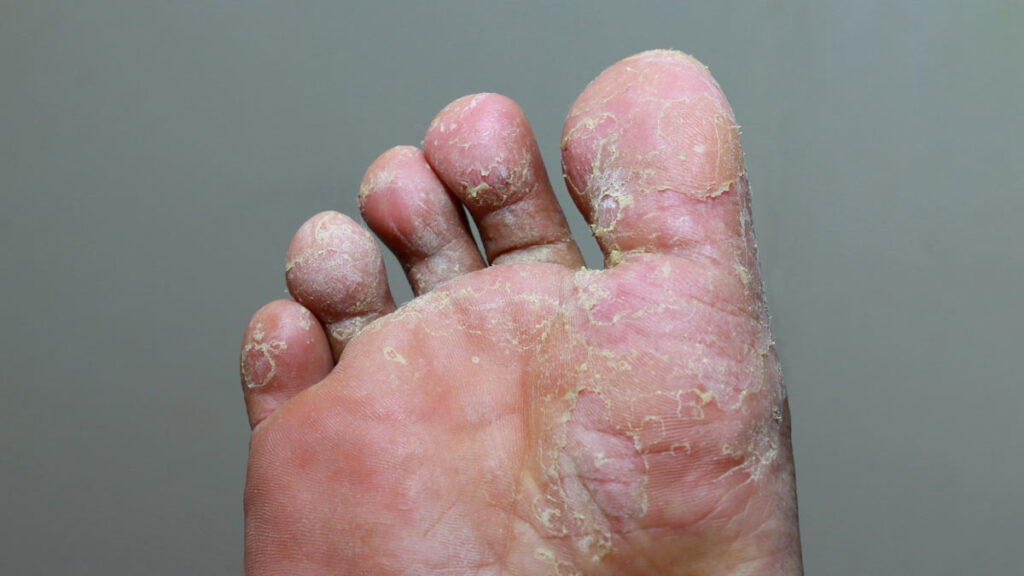
Athlete’s foot is a common fungal infection that affects the feet, causing discomfort and itching. It can manifest on the toes, soles, or even between the toes, and can spread to other parts of the body, such as the groin and hands. While it’s often associated with athletes, anyone can contract this condition, regardless of their physical activity level.
Understanding Athlete’s Foot
Athlete’s foot is a type of dermatophytosis, which is caused by fungi that thrive in warm, humid environments. The feet provide an ideal habitat for these fungi to grow and multiply. In addition to poor foot hygiene, other risk factors include:
- Excessive sweating
- Wearing non-breathable socks or shoes
- Using poorly ventilated footwear
- Weakened immune system
- Exposure to fungal spores
Causes of Athlete’s Foot
Athlete’s foot is caused by a variety of fungi that are commonly found on the feet. Some of the most common causes include:
- Trichophyton rubrum: This fungus is responsible for up to 90% of all athlete’s foot cases.
- Epidermophyton floccosum
- Microsporum canis
Symptoms of Athlete’s Foot
The symptoms of athlete’s foot can vary, but common complaints include:
- Itching and pruritus: A burning or itching sensation on the skin can be a sign of an athlete’s foot infection.
- Burning sensation: Some people may experience a burning sensation when walking or standing.
- Presence of vesicles: Small blisters or bumps on the skin can appear as a result of fungal growth.
- Dry, scaly skin: Athlete’s foot can cause dry, flaky skin on the feet and toes.
- Unpleasant odor: A strong, unpleasant odor can emanate from the affected area.
- Painful localized areas: In severe cases, athlete’s foot can cause pain and discomfort in specific areas of the foot.
Prevention is Key
To prevent the spread of athlete’s foot, it’s essential to practice good hygiene. After showering or bathing, ensure you dry your feet thoroughly, paying special attention to the spaces between your toes. Wear breathable socks and shoes that allow for airflow.
- Use an antifungal powder or spray on your feet and in your shoes.
- Change your socks at least once a day.
- Wear sandals or flip-flops when swimming or showering.
- Keep your shoes clean and dry.
- Use an antibacterial soap to wash your hands after touching the affected area.
Natural Remedies for Athlete’s Foot
Here are some effective natural remedies to combat athlete’s foot:
Tea Tree Oil
Tea tree oil has antifungal properties that can help kill fungal spores and prevent infection. To use tea tree oil, mix 15 grams with 20 grams of olive oil and apply it between your toes twice a day for four weeks.
- Mix the tea tree oil with coconut oil or jojoba oil to create a paste.
- Apply the paste to the affected area and leave it on for 10-15 minutes before rinsing with warm water.
Saltwater Soak
A saltwater soak can help dehydrate the fungus and reduce inflammation. Mix 1 liter of water with 50 grams of salt and immerse your feet in the solution for 15 minutes, then rinse thoroughly and dry.
- Add a teaspoon of baking soda to the bath water for an added antifungal effect.
- Soak your feet in warm water for at least 10-15 minutes before rinsing.
Garlic Oil
Garlic has antifungal properties that can help combat athlete’s foot. To use garlic oil, crush a clove of garlic and mix it with 1 tablespoon of olive oil. Apply the mixture to the affected areas and leave it on for 20 minutes before rinsing with warm water.
- Mix the garlic oil with honey or glycerin to create a soothing balm.
- Apply the balm to the affected area and leave it on overnight before washing off in the morning.
Baking Soda
Baking soda can help neutralize the pH of the skin and reduce fungal growth. Sprinkle baking soda powder on your feet and massage it in, then rinse with warm water.
- Mix 1 tablespoon of baking soda with 2 tablespoons of water to create a paste.
- Apply the paste to the affected area and leave it on for 10-15 minutes before rinsing.
Home Remedies
In addition to natural remedies, there are several home remedies that can help alleviate the symptoms of athlete’s foot:
- Cornmeal: Sprinkle cornmeal powder on your feet and massage it in to create a barrier against fungal growth.
- Vinegar: Soak your feet in a solution of 1 part vinegar to 2 parts water for 10-15 minutes, then rinse with warm water.
Conclusion
Athlete’s foot is a common condition that can be effectively treated with natural remedies. By understanding the causes and risk factors, practicing good hygiene, and using these natural remedies, you can combat athlete’s foot and keep your feet healthy and happy.
Frequently Asked Questions
Q: Can I share my shoes or socks with others to prevent the spread of athlete’s foot?
A: No, sharing personal items can spread fungal spores and increase the risk of infection.
Q: How long does it take for natural remedies to work?
A: The effectiveness of natural remedies can vary depending on individual factors. However, most people experience relief within two weeks.
Q: Can I use over-the-counter antifungal medications in combination with natural remedies?
A: While over-the-counter medications may provide quick relief, they can also lead to antibiotic resistance and other side effects. Consult a healthcare professional before using any medication.
Q: How often should I apply natural remedies to prevent recurrence?
A: To maintain healthy feet, apply natural remedies regularly, ideally once or twice daily, for at least two weeks.
Q: Can athlete’s foot be transmitted through contact with contaminated surfaces or objects?
A: Yes, fungal spores can survive on surfaces and objects for extended periods. Regularly clean and disinfect high-touch areas to prevent the spread of infection.
Q: Are there any dietary changes I should make to help prevent athlete’s foot?
A: While there is no direct correlation between diet and athlete’s foot, a balanced diet rich in fruits, vegetables, and whole grains can support overall health and immune function.
Q: Can natural remedies be used for other fungal infections, such as ringworm or jock itch?
A: Yes, some natural remedies like tea tree oil and baking soda have antifungal properties that can help treat various fungal infections. However, consult a healthcare professional before using any remedy for an unknown condition.
Prevention Tips
To prevent the spread of athlete’s foot, follow these tips:
- Wash your hands regularly after touching the affected area.
- Clean and disinfect high-touch areas, such as shower stalls and locker rooms.
- Wear shoes that allow for airflow and moisture wicking properties.
- Use an antifungal powder or spray on your feet and in your shoes.
When to See a Doctor
If you experience any of the following symptoms, seek medical attention:
- Severe itching or burning
- Redness or swelling
- Increased pain or discomfort
- Difficulty walking or standing
Remember, athlete’s foot is a common condition that can be effectively treated with natural remedies and good hygiene practices. By taking preventative measures and seeking medical attention when necessary, you can keep your feet healthy and happy.


