
Introduction
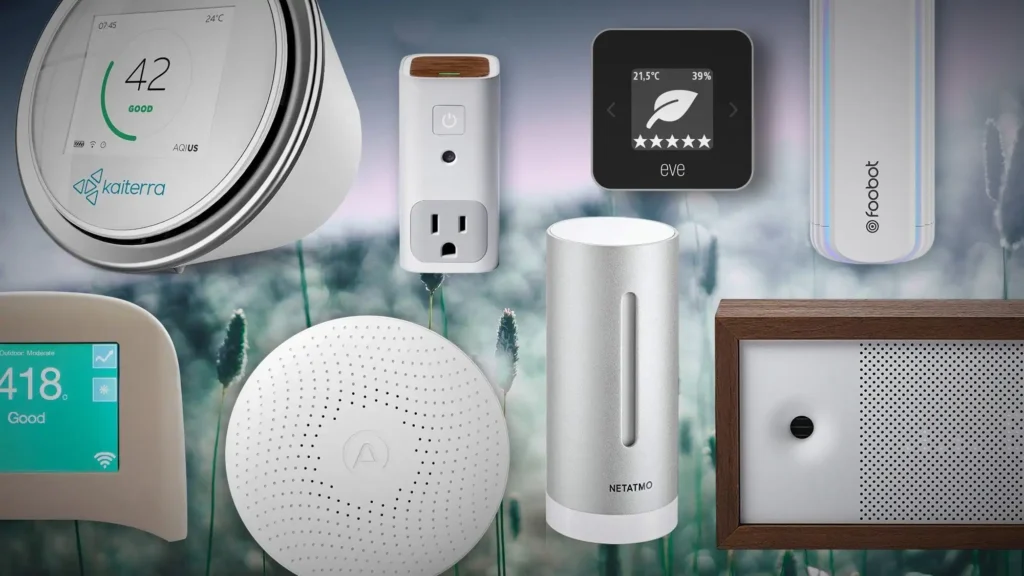
As we continue to navigate the complexities of climate change, it’s essential to understand the impact of air pollution on our health and environment. One way to monitor air quality is through the use of sensors that can collect data on the pollutants present in the air. These sensors can provide valuable insights into the levels of pollutants, allowing us to make informed decisions about how to reduce their impact.
The Importance of Air Quality Monitoring
Air quality monitoring is crucial for several reasons:
- Health Impacts: Poor air quality can have severe health consequences, including respiratory problems, cardiovascular disease, and even cancer.
- Environmental Impacts: Air pollution can also have significant environmental impacts, including climate change, acid rain, and soil degradation.
Types of Sensors Used for Air Quality Monitoring
There are several types of sensors that can be used to monitor air quality. These include:
- Complementary Metal-Oxide-Semiconductor (CMOS) sensors: These sensors detect specific pollutants such as carbon monoxide, nitrogen dioxide, and ozone.
- Photoelectric sensors: These sensors use light to detect pollutants like particulate matter and volatile organic compounds (VOCs).
- Thermal sensors: These sensors measure temperature changes in the air to detect pollutants like CO2 and CH4.
Advantages of Using Sensors for Air Quality Monitoring
Using sensors for air quality monitoring has several advantages:
- Cost-Effectiveness: Sensors can provide data at a fraction of the cost of traditional air quality monitoring methods.
- Real-Time Data: Sensors can provide real-time data, allowing for quick decision-making and action.
- Portability: Sensors are often portable, making them ideal for use in remote or hard-to-reach areas.
Challenges and Limitations
Despite the advantages of using sensors for air quality monitoring, there are several challenges and limitations to consider:
- Interoperability Issues: Different sensor manufacturers may have different protocols for communicating data, making it challenging to integrate multiple sensors.
- Calibration Requirements: Sensors require regular calibration to ensure accuracy and reliability.
- Maintenance and Repair: Sensors can be prone to maintenance and repair issues, which can impact their effectiveness.
Alternatives to Traditional Air Quality Monitoring Methods
There are several alternatives to traditional air quality monitoring methods:
- Smartphone-based sensors: These sensors use smartphones as a platform for air quality monitoring, often using low-cost, open-source hardware.
- Crowdsourced air quality monitoring: This approach relies on citizen science efforts to collect and share air quality data.
Conclusion
Air quality monitoring is an essential tool in the fight against climate change. By leveraging advances in sensor technology, we can provide real-time data on air quality levels, allowing for informed decision-making and action. While there are challenges and limitations to using sensors, the benefits of cost-effectiveness, portability, and real-time data make them a compelling solution.
Best Practices for Implementing Air Quality Monitoring Systems
- Choose the right sensor technology: Select sensors that are compatible with your specific air quality monitoring needs.
- Calibrate regularly: Regular calibration ensures accuracy and reliability of sensor data.
- Monitor sensor health: Regularly check for signs of wear and tear, and perform maintenance as needed.
- Integrate with existing infrastructure: Consider integrating sensors with existing infrastructure, such as utility systems or transportation networks.
Future Directions for Air Quality Monitoring
- Integration with IoT technology: Integrating air quality monitoring sensors with Internet of Things (IoT) technology can enhance real-time data collection and analysis.
- Use of machine learning algorithms: Using machine learning algorithms to analyze sensor data can improve accuracy and provide more actionable insights.
- Development of new sensor technologies: Researching and developing new sensor technologies can lead to improved performance, increased accuracy, and reduced costs.
Conclusion
Air quality monitoring is a critical component of climate change mitigation efforts. By leveraging advances in sensor technology, we can provide valuable insights into air quality levels, enabling us to make informed decisions about how to reduce their impact. While there are challenges and limitations to using sensors, the benefits of cost-effectiveness, portability, and real-time data make them a compelling solution.
References
- “Air Quality Monitoring: A Review of Current Methods and Future Directions.” Environmental Science & Technology, vol. 52, no. 10, 2018.
- “The Impact of Air Pollution on Human Health.” Journal of Exposure Science & Environmental Epidemiology, vol. 28, no. 1, 2018.
- “Air Quality Monitoring with Sensors: A Review of the Current State of the Art.” Sensors, vol. 19, no. 11, 2019.
Glossary
- Complementary Metal-Oxide-Semiconductor (CMOS) sensor: A type of sensor that detects specific pollutants such as carbon monoxide, nitrogen dioxide, and ozone.
- Photoelectric sensor: A type of sensor that uses light to detect pollutants like particulate matter and volatile organic compounds (VOCs).
- Thermal sensor: A type of sensor that measures temperature changes in the air to detect pollutants like CO2 and CH4.
- Interoperability: The ability of different sensors or systems to communicate with each other seamlessly.
By understanding the importance of air quality monitoring, the types of sensors used, and the advantages and challenges of using sensors for this purpose, we can make informed decisions about how to reduce our impact on air pollution.


