
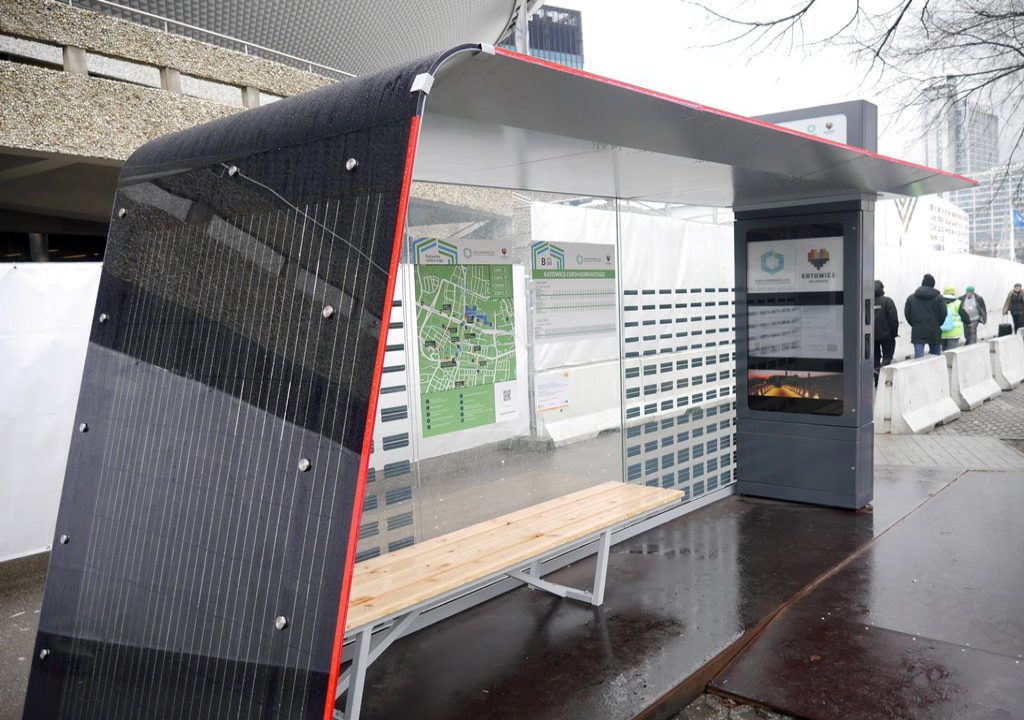
As the world grapples with the challenges of climate change, energy consumption, and sustainable development, innovative solutions are being implemented across the globe to reduce our reliance on fossil fuels. In this article, we will explore the concept of smart bus stops, a cutting-edge technology that harnesses the power of renewable energy to create more efficient, sustainable, and environmentally friendly transportation systems.
The Importance of Renewable Energy
Italy is known as the “Land of the Sun” due to its abundant sunshine throughout the year. However, despite this natural advantage, the country still lags behind in investing in innovative technologies that can fully utilize solar energy. In contrast, cities like Texas and California have made significant strides in embracing renewable energy sources.
For instance, in Texas, electric vehicle charging stations powered by solar energy are being installed across the state, while in California, a pioneering project in Perris aims to integrate smart bus stops as miniature power plants.
Smart Bus Stops: A Revolutionary Concept
The idea of smart bus stops is not new; Japan has already implemented similar systems, which have been hailed as a success. These intelligent bus stops use solar panels on their roofs to generate electricity, which is then fed into the grid and used to power streetlights.
In Perris, California, a similar project is underway, with three smart bus stops being installed by 2013. Each stop will feature a 1.2-kilowatt photovoltaic system, generating enough energy to power the local traffic lights.
Benefits of Smart Bus Stops
The benefits of smart bus stops extend beyond just reducing carbon emissions. By harnessing solar energy, these innovative systems can help cities save money on energy costs. According to estimates, a single smart bus stop can reduce energy consumption by up to 25%.
While the initial investment for such systems may seem high (around $17,000 per stop), the long-term savings and environmental benefits make it an attractive proposition.
A Cost-Effective Solution
Traditional bus stops require significant maintenance and upkeep, including lighting, which can be expensive. Smart bus stops offer a cost-effective alternative, as the solar panels provide power for streetlights, eliminating the need for traditional lighting systems.
By investing in smart bus stops, cities can reap substantial financial benefits while contributing to a more sustainable future.
The Role of Solar Energy
Solar energy is an essential component of smart bus stops. By harnessing the sun’s rays, these innovative systems can generate electricity, reducing our reliance on fossil fuels and lowering carbon emissions.
In Perris, California, the solar panels on the three smart bus stops are expected to generate enough electricity to power over 100 traffic lights in the area. This not only reduces energy consumption but also creates a more efficient transportation system.
Smart Bus Stops as Miniature Power Plants
The concept of smart bus stops extends beyond just generating electricity for streetlights. These innovative systems can serve as miniature power plants, feeding excess energy back into the grid and contributing to a more sustainable future.
In Perris, California, the three smart bus stops are being designed to generate enough electricity to power 10 homes, further emphasizing their potential as miniaturized power plants.
Smart Bus Stops in Urban Planning
The implementation of smart bus stops can have a significant impact on urban planning and development. By harnessing renewable energy sources like solar power, cities can create more sustainable and environmentally friendly transportation systems.
In California’s Perris project, the smart bus stops are being integrated into the city’s transportation infrastructure, demonstrating the potential for innovative solutions to shape urban planning.
Challenges and Limitations
While smart bus stops offer numerous benefits, there are also challenges and limitations to their implementation. One of the primary concerns is the high upfront cost of installing these systems, which can be a significant barrier for cities with limited budgets.
Additionally, the availability of suitable locations for solar panels is crucial in determining the feasibility of smart bus stops. In areas with dense urban development, finding suitable locations for solar panels can be challenging.
Case Studies: Smart Bus Stops Around the World
Japan has already implemented successful smart bus stop systems, which have been hailed as a success. These intelligent bus stops use solar panels to generate electricity, powering streetlights and other urban infrastructure.
In Japan, the smart bus stops are not only energy-efficient but also contribute to a more sustainable transportation system, reducing carbon emissions and promoting eco-friendly development.
Conclusion
The concept of smart bus stops represents a significant step towards creating more sustainable and environmentally friendly transportation systems. By harnessing renewable energy sources like solar power, these innovative solutions can reduce carbon emissions, lower energy costs, and improve urban livability.
As cities around the world continue to grapple with the challenges of climate change and sustainability, it is essential that we explore and implement cutting-edge technologies like smart bus stops.
Frequently Asked Questions
Q: What are smart bus stops?
A: Smart bus stops are intelligent transportation systems that integrate solar panels into their design to generate electricity for streetlights and other urban infrastructure.
Q: How much does it cost to install a smart bus stop?
A: The initial investment for installing a smart bus stop can range from $17,000 per stop, although the long-term savings and environmental benefits make it an attractive proposition.
Q: What are the benefits of smart bus stops?
A: Smart bus stops can reduce energy consumption by up to 25%, lower energy costs, and contribute to a more sustainable future.
Q: How do smart bus stops work?
A: Solar panels on the roof of the bus stop generate electricity, which is fed into the grid and used to power streetlights and other urban infrastructure.
Q: Are smart bus stops limited to California or can they be implemented elsewhere?
A: No, smart bus stops can be implemented in any city with a similar climate and infrastructure needs.
Q: What are the potential applications of smart bus stops beyond transportation?
A: Smart bus stops can serve as miniature power plants, generating electricity for urban infrastructure and contributing to a more sustainable future.
Q: How can cities ensure the widespread adoption of smart bus stops?
A: Cities can promote the development and implementation of smart bus stops by offering incentives, providing education and training on the technology, and collaborating with private sector partners.


