
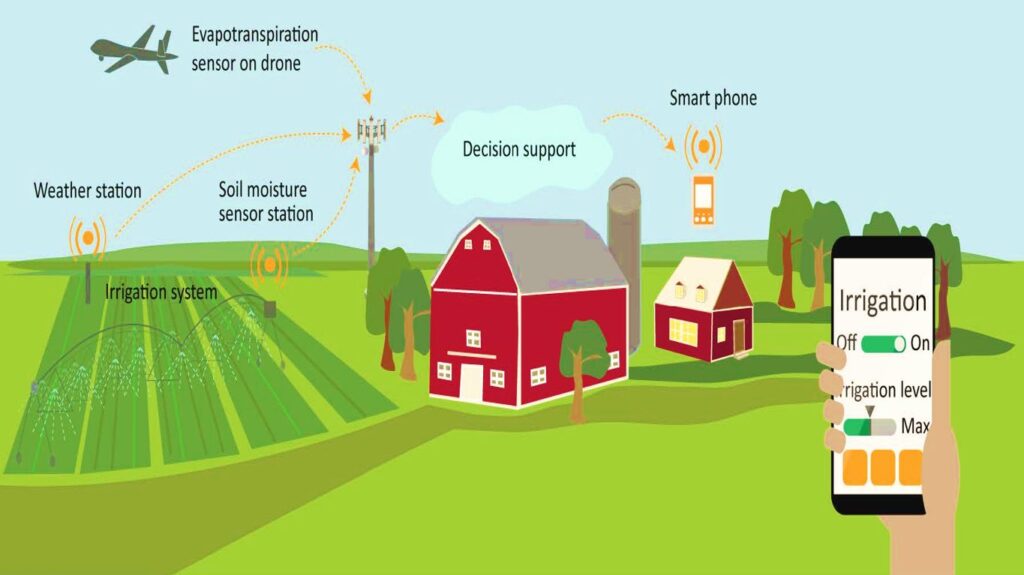
Precision agriculture is a set of innovative techniques used to improve crop management. One key aspect of precision agriculture is the use of satellite technology. Let’s explore how it works and its benefits.
Understanding Precision Agriculture
Precision agriculture uses advanced technologies, including satellite technology, to optimize crop yields while reducing waste and environmental impact. This approach involves using data from sensors and other devices to monitor and manage crops in real-time.
In recent years, precision agriculture has gained significant attention due to its potential to transform the agricultural industry. By leveraging satellite technology, farmers can gain valuable insights into their fields and make informed decisions about crop management.
How Does Satellite Technology Work in Precision Agriculture?
Satellite technology plays a crucial role in precision agriculture by providing farmers with detailed information about their fields. Here’s how it works:
- A satellite sends signals to ground-based stations, which receive the data and transmit it to the farmer’s computer or mobile device.
- The farmer can then use this data to create detailed maps of their field, identifying areas where crops may be underperforming or require additional care.
Satellite technology offers a range of benefits for farmers, including:
- Improved crop yields: By optimizing crop management, farmers can increase their yields and improve the quality of their produce.
- Reduced waste: Precision agriculture helps farmers minimize the use of fertilizers, pesticides, and water, reducing environmental impact.
- Increased efficiency: Farmers can optimize their operations, reduce labor costs, and improve resource allocation.
The Role of Sensors in Precision Agriculture
Sensors are a crucial component of precision agriculture. They provide real-time data on soil moisture, temperature, and other factors, enabling farmers to make informed decisions about crop management.
- Sensor-equipped tractors: Tractors equipped with sensors can adjust their speed and depth to optimize fertilizer application and reduce waste.
- Machinery with built-in sensors: Mowers, combines, and other farm equipment are increasingly equipped with sensors that provide detailed information on soil moisture and crop health.
Benefits of Using Sensors in Precision Agriculture
The use of sensors in precision agriculture offers a range of benefits, including:
- Improved crop management: By monitoring soil moisture, temperature, and other factors, farmers can make informed decisions about crop management.
- Increased efficiency: Sensors enable farmers to optimize their operations, reduce labor costs, and improve resource allocation.
- Reduced waste: Precision agriculture helps farmers minimize the use of fertilizers, pesticides, and water, reducing environmental impact.
Precision Agriculture: A Game-Changer for Farmers
The benefits of precision agriculture are numerous. By using satellite technology, sensors, and data analytics, farmers can optimize their operations, reduce waste, and improve yields.
- Increased profits: Precision agriculture can help farmers increase their profits by reducing costs and improving crop yields.
- Environmental sustainability: By minimizing the use of fertilizers, pesticides, and water, precision agriculture contributes to a more sustainable agricultural industry.
Challenges and Limitations of Precision Agriculture
While precision agriculture offers numerous benefits, there are also challenges and limitations that farmers must consider. These include:
- High upfront costs: Precision agriculture requires significant investment in advanced technologies such as satellite imaging devices, sensors, and data analytics software.
- Data management and analysis: Farmers must have the necessary skills and resources to collect, analyze, and interpret data from sensors and other devices.
- Regulatory frameworks: The regulatory framework for precision agriculture is still evolving, with many countries lacking clear guidelines and standards.
The Future of Precision Agriculture
As technology continues to evolve, we can expect even greater advancements in precision agriculture. New innovations, such as drones and artificial intelligence, are set to revolutionize the way farmers manage their fields.
- Drone-based precision agriculture: Drones equipped with sensors and cameras can provide detailed information on crop health and soil moisture.
- Artificial intelligence-powered precision agriculture: AI algorithms can analyze data from sensors and other devices, providing farmers with personalized advice on crop management.
Frequently Asked Questions
Q: What is precision agriculture?
A: Precision agriculture is a set of innovative techniques used to improve crop management using advanced technologies such as satellite technology, sensors, and data analytics.
Q: How does satellite technology work in precision agriculture?
A: Satellite technology provides farmers with detailed information about their fields, enabling them to create detailed maps and optimize crop management.
Q: What are the benefits of using satellite technology in precision agriculture?
A: The benefits include increased efficiency, improved yields, and reduced waste.
Q: How does precision agriculture differ from traditional farming methods?
A: Precision agriculture uses advanced technologies such as sensors and data analytics to optimize crop management, whereas traditional farming methods rely on manual observation and guesswork.
Q: Can precision agriculture be used for other types of crops?
A: Yes, precision agriculture can be applied to a wide range of crops, including fruits, vegetables, and grains.
Q: How much does precision agriculture cost?
A: The cost of precision agriculture varies depending on the specific technologies and equipment used. However, many farmers report significant savings in terms of time, resources, and environmental impact.
Q: Is precision agriculture suitable for small-scale farmers?
A: Yes, precision agriculture can be adapted to suit the needs of small-scale farmers. Many small-scale farms are already using basic forms of precision agriculture, such as drip irrigation systems and sensor-equipped tractors.
Q: How can I get started with precision agriculture on my farm?
A: To get started with precision agriculture, you’ll need to invest in advanced technologies such as satellite imaging devices, sensors, and data analytics software. It’s also essential to develop a clear understanding of your crops’ specific needs and how they respond to different management practices.
Q: Can precision agriculture help reduce the environmental impact of farming?
A: Yes, precision agriculture can contribute to reduced environmental impact by minimizing the use of fertilizers, pesticides, and water.
Conclusion
Precision agriculture is a powerful tool that can transform the way farmers manage their fields. By leveraging satellite technology, sensors, and data analytics, farmers can optimize their operations, reduce waste, and improve yields. While there are challenges and limitations to precision agriculture, its benefits far outweigh the costs. As technology continues to evolve, we can expect even greater advancements in precision agriculture, leading to a more sustainable and efficient agricultural industry.


