
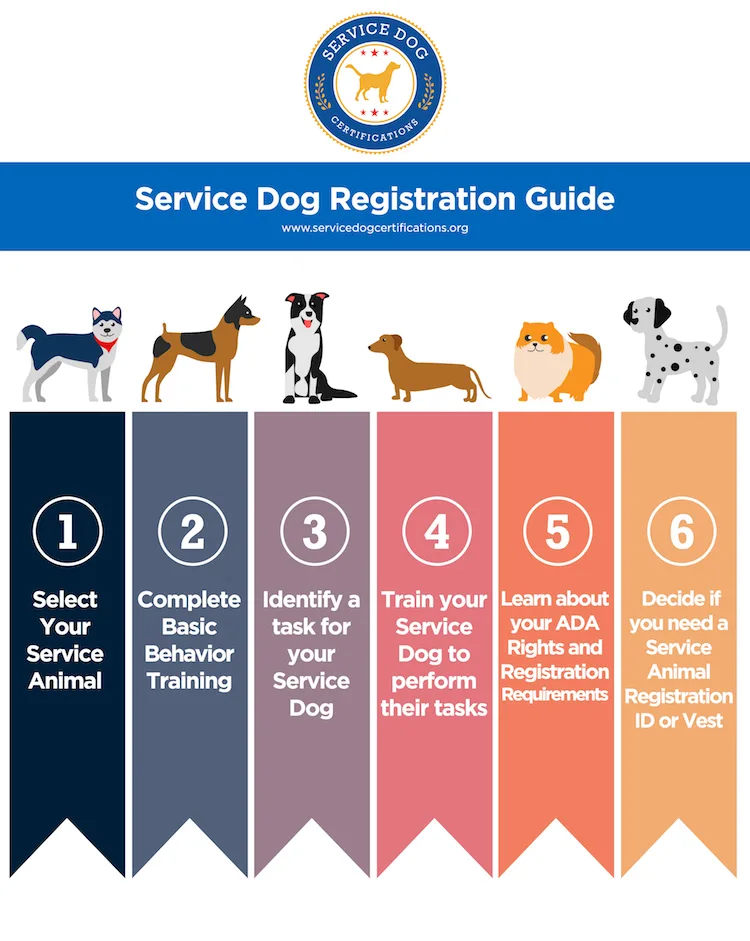
As a society, we often take for granted the incredible assistance provided by service dogs. From guiding individuals who are blind or have low vision to detecting medical conditions like epilepsy, these incredible animals play a vital role in enhancing the quality of life for millions of people around the world.
In this comprehensive guide, we’ll delve into the world of service dogs, exploring their education, cost, and benefits in depth. Whether you’re considering bringing a service dog into your life or simply want to learn more about these amazing animals, this article is designed to inform and inspire.
What is a Service Dog?
A service dog is an animal that has been specifically trained to perform a specific task for an individual with a disability. Unlike emotional support animals or therapy dogs, service dogs are equipped with specialized training to assist their human counterparts in various aspects of daily life.
From navigating obstacles to detecting medical conditions, service dogs are truly remarkable animals that deserve our appreciation and respect.
Education and Training
Educating a service dog requires patience, dedication, and expertise. Unlike other types of canine companionship, training a service dog is not simply a matter of socialization or basic obedience. Rather, it involves specialized instruction to teach the animal to perform specific tasks, such as:
- Guiding individuals who are blind or have low vision: Service dogs must be trained to navigate around obstacles, recognize and avoid hazards, and lead their human counterparts to destinations safely.
- Detecting medical conditions like epilepsy: Trained service dogs can detect changes in their human’s body chemistry, alerting them to potential seizures or other health concerns.
- Assisting individuals with mobility issues: Service dogs may be trained to open doors, pick up items, and perform other tasks that aid their human counterparts in maintaining independence.
To become a certified service dog, an animal must undergo rigorous training under the guidance of experienced instructors. This process can take several months or even years, depending on the complexity of the task and the individual’s needs.
Cost and Legality
Bringinging a service dog into your life can come with significant costs, both financially and emotionally. The initial investment in training and certification can be substantial, ranging from $20,000 to $50,000 or more per animal.
However, for individuals who require the assistance of a service dog, these costs are often offset by the numerous benefits they receive. In many countries, including Italy, there are laws that provide tax deductions for individuals with service dogs, helping to alleviate some of the financial burden.
Legislation and Benefits
In Italy, for example, there is a specific law that provides for deductions from income tax (Irpef) for individuals who acquire and maintain a service dog. This deduction can be up to 19% of the total expenditure, depending on the individual’s circumstances.
Additionally, many countries offer other benefits, such as reduced fares on public transportation or access to public accommodations, to individuals with service dogs.
Service Dogs for Epilepsy
For individuals who suffer from epilepsy, a service dog can play a critical role in reducing the risk of seizures. Trained to detect changes in their human’s body chemistry, these dogs can alert them to potential seizure activity, allowing them to seek medical attention promptly.
In this context, service dogs are not just providing emotional support but also serving as an early warning system for life-threatening conditions.
Choosing the Right Service Dog
With so many breeds and mixes available, choosing the right service dog can be a daunting task. When selecting a service dog, consider factors such as:
- Temperament: A calm, even-tempered animal is ideal for providing emotional support and stability.
- Intelligence: Intelligent animals are better equipped to learn complex tasks and adapt to changing situations.
- Physical characteristics: Breeds with specific physical attributes may be more suitable for certain roles, such as guiding individuals who are blind or have low vision.
Some popular breeds used for service dog work include Labradors, Golden Retrievers, Poodles, and German Shepherds.
Conclusion
In conclusion, service dogs play a vital role in enhancing the lives of millions of people around the world. From guiding individuals who are blind or have low vision to detecting medical conditions like epilepsy, these incredible animals deserve our appreciation and respect.
Whether you’re considering bringing a service dog into your life or simply want to learn more about these amazing animals, we hope this guide has provided valuable insights and inspiration.
Frequently Asked Questions
- What is the average cost of training a service dog?
The cost of training a service dog can range from $20,000 to $50,000 or more per animal. - Are service dogs the same as emotional support animals?
No, service dogs are trained to perform specific tasks for individuals with disabilities, whereas emotional support animals provide comfort and companionship without formal training. - Can anyone bring a service dog into public spaces?
Yes, in many countries, including Italy, there are laws that provide for the inclusion of service dogs in public accommodations and transportation systems. - How do I choose the right breed of service dog for my needs?
Consider factors such as temperament, intelligence, and physical characteristics when selecting a breed suitable for your specific needs. -
Can service dogs be used for assistance with other medical conditions?
Yes, service dogs can be trained to assist individuals with various medical conditions, including mobility issues, PTSD, and autism. -
How do I get certified as a service dog handler?
Certification requirements vary by country and region, but typically involve completing training programs and registering with relevant authorities. - Can I bring my service dog on a plane?
Yes, in many countries, including Italy, there are laws that provide for the inclusion of service dogs on commercial flights. -
How do I care for my service dog when it’s not working?
Service dogs require regular exercise, training, and socialization to maintain their physical and mental health. -
Can I bring a service dog into hotels or other accommodations?
Yes, in many countries, including Italy, there are laws that provide for the inclusion of service dogs in public accommodations. -
How do I ensure my service dog is well-behaved in public?
Proper training and socialization can help minimize behavioral issues, but it’s essential to work with a qualified trainer to address any concerns. -
Can I get a refund if I change my mind about getting a service dog?
Refund policies vary depending on the organization or individual providing the service dog, so it’s essential to discuss your options with the provider. -
How do I protect myself from scams or misinformation regarding service dogs?
Research reputable organizations and trainers, and be wary of exaggerated claims or promises that seem too good to be true. -
Can I get assistance from a service dog for mental health issues like anxiety or depression?
Yes, some breeds, such as Labradors and Golden Retrievers, are often used for therapy work and can provide emotional support and comfort. -
How do I ensure my service dog is well-cared for when I’m away from home?
Consider hiring a professional dog sitter or asking a trusted friend or family member to care for your service dog while you’re away. -
Can I get a service dog if I have a history of allergies or sensitivities?
Yes, some breeds are hypoallergenic and may be suitable for individuals with allergies or sensitivities. -
How do I register my service dog with local authorities?
Registration requirements vary by country and region, but typically involve providing documentation from a certified trainer or healthcare professional. -
Can I use my service dog for personal gain, such as starting a business or earning income?
No, service dogs are intended to provide assistance and support to individuals with disabilities, not to generate profit. -
How do I ensure my service dog is well-socialized and confident in public?
Proper training and socialization can help minimize behavioral issues, but it’s essential to work with a qualified trainer to address any concerns. -
Can I get assistance from a service dog if I’m experiencing a medical emergency?
Yes, trained service dogs can provide critical support during medical emergencies, such as seizures or allergic reactions. -
How do I choose the right type of service dog for my specific needs?
Consider factors such as your lifestyle, living situation, and specific needs when selecting a breed or mix suitable for your requirements.
By understanding more about service dogs and their role in enhancing the lives of individuals with disabilities, we can better appreciate the incredible contributions they make to our communities.


