
Introduction
The Austrian Pinscher is a rare but versatile breed of dog that has been around for centuries. Despite its relatively low profile, this canine companion has gained popularity in recent years due to its intelligence, loyalty, and affectionate nature.
In this article, we will delve into the origins, appearance, character, health, and care requirements of the Austrian Pinscher.
Origins of the Austrian Pinscher
The Austrian Pinscher’s origin dates back to ancient times, with some sources suggesting a connection to the German Pinscher. The breed was first developed in the 1920s by Dr. Hauck, who selected dogs from various lines to create a unique and versatile companion.
Despite its popularity, the Austrian Pinscher was on the brink of extinction in the 1960s and 1970s. However, thanks to a resurgence in interest, the breed was officially recognized by the FCI (Fédération Cynologique Internationale) in 2000, and renamed the Österreichischer Pinscher.
The story behind the Austrian Pinscher’s development is fascinating. In the early 20th century, Dr. Hauck, a renowned veterinarian and dog breeder, began working with German Pinschers to create a more compact and agile companion. He selected dogs from various lines, including those bred for hunting and guarding, to create a breed that was both intelligent and loyal.
Through careful selection and breeding, Dr. Hauck aimed to create a breed that could excel in a variety of roles, from hunting and guarding to family companionship. The result was the Austrian Pinscher, a versatile breed that has captured the hearts of many dog enthusiasts around the world.
Appearance
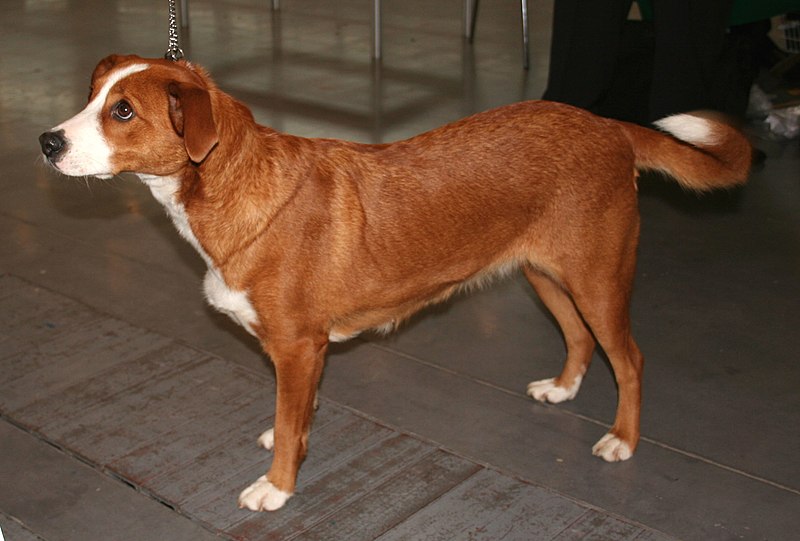
The Austrian Pinscher is a medium-sized dog with a compact build and a distinctive appearance. The standard size range for males is between 44-50 cm at the shoulder, while females are slightly smaller, ranging from 42-48 cm.
The breed’s coat is thick and fine, with two layers: a coarse outer coat and a soft undercoat. The coat color can vary, including yellow-brindle, red-clover, black-and-tan, and fawn-dorado. The breed also features large, dark eyes with rounded eyelids, a prominent stop (the area between the eyes and nose), and a distinctive beard.
The Austrian Pinscher has erect ears, a strong neck, and a compact body. Its tail is carried high, and its paws are muscular and proportionate to the rest of the body.
One of the most striking features of the Austrian Pinscher is its coat pattern. The breed’s unique coloring can vary depending on the individual dog, but it typically features a combination of colors that create a distinctive “mask” effect around the eyes and muzzle. This striking appearance makes the Austrian Pinscher a popular choice among dog enthusiasts who appreciate the breed’s unique characteristics.
Character
Austrian Pinschers are known for their intelligence, energy, and loyalty. They were originally bred as farm dogs, where they used their keen senses to detect small animals and alert their owners. Today, they make excellent family pets, thriving on attention and interaction with their human companions.
The breed is naturally suspicious of strangers, but with proper socialization from an early age, they can become friendly and outgoing. Austrian Pinschers are highly trainable, making them suitable for a range of activities, including obedience training, agility, and hunting.
Austrian Pinschers are also known for their playful nature, and they thrive on physical and mental stimulation. They require regular exercise to stay happy and healthy, but they also enjoy relaxing with their owners and engaging in quiet activities like reading or watching TV.
In terms of temperament, Austrian Pinschers are generally described as loyal, friendly, and outgoing. They form strong bonds with their family members and can become protective if they feel threatened. However, they are not naturally aggressive dogs and respond well to positive reinforcement training.
Health
Austrian Pinschers are generally healthy dogs, with an average lifespan of 12-14 years. However, as with any breed, they may be prone to certain health issues, such as:
- Hip dysplasia: a genetic condition that affects the hip joint
- Elbow dysplasia: a similar condition affecting the elbow joint
- Eye problems (e.g., cataracts, progressive retinal atrophy): conditions that affect the eyes and can lead to blindness or vision loss
- Allergies: skin allergies or food allergies that can cause discomfort and skin irritation
Regular exercise, a balanced diet, and regular veterinary check-ups can help prevent or manage these conditions. It is essential to work with a reputable breeder who prioritizes health testing and genetic diversity when breeding Austrian Pinschers.
Care Requirements
Austrian Pinschers require moderate exercise, including daily walks (30 minutes) and playtime (30 minutes). They also need regular grooming to prevent matting and tangling of their coat. Regular brushing (at least once a week during shedding season) can help keep their coat healthy and clean.
In terms of nutrition, Austrian Pinschers require a balanced diet that includes protein-rich foods, complex carbohydrates, and essential vitamins and minerals. A high-quality commercial dog food or homemade diet should be tailored to meet the breed’s specific needs.
Austrian Pinschers are also prone to shedding their coat seasonally, which requires regular brushing to prevent matting. Regular nail trimming, ear cleaning, and dental care can help maintain the breed’s overall health and well-being.
FAQs
- What is the lifespan of an Austrian Pinscher?
The average lifespan of an Austrian Pinscher is 12-14 years. - How much exercise does an Austrian Pinscher need?
Austrian Pinschers require moderate exercise, including daily walks (30 minutes) and playtime (30 minutes). - What are the most common health issues in Austrian Pinschers?
Hip dysplasia, elbow dysplasia, eye problems (e.g., cataracts), and allergies. - Can Austrian Pinschers be trained easily?
Austrian Pinschers are highly trainable, making them suitable for obedience training, agility, and hunting. - How much do Austrian Pinscher puppies cost?
The price of an Austrian Pinscher puppy can range from €900 to €1,000 (depending on the breeder and bloodline). - Where can I find an Austrian Pinscher in Italy?
There are currently no recognized Austrian Pinscher breeders in Italy. It is recommended to contact a reputable breeder in Austria or other European countries. - Can Austrian Pinschers be good family pets?
Yes, Austrian Pinschers make excellent family pets, especially for families with children who can provide them with attention and interaction.
By understanding the origins, appearance, character, health, and care requirements of the Austrian Pinscher, you can better appreciate this unique and loving breed. Whether you’re a seasoned dog owner or a newcomer to the world of canine companionship, the Austrian Pinscher is an excellent choice for those who value intelligence, loyalty, and affection.
In conclusion, the Austrian Pinscher is a rare but versatile breed that has captured the hearts of many dog enthusiasts around the world. With its unique appearance, intelligent nature, and loyal temperament, it’s no wonder why this breed has gained popularity in recent years. By understanding the breed’s history, characteristics, and care requirements, you can provide your Austrian Pinscher with a happy and healthy life.


