
Have you ever heard of the seven chakras, but wondered what they are and how they work? In this article, we will delve into the world of energy centers in the human body, exploring their role, symbolism, and significance. We’ll also discuss how to balance and harmonize these energy centers for optimal well-being.
What Are Chakras?
In Ayurvedic medicine, a chakra is referred to as a “center” or “hub” of energy in the body that governs specific functions, emotions, and sensations. Each chakra is connected to a particular zone of the body and plays a vital role in maintaining physical, mental, and emotional balance.
The concept of chakras has its roots in ancient Hindu and Buddhist traditions. The word “chakra” itself means “wheel” or “disk” in Sanskrit, symbolizing the circular flow of energy within the body. According to Ayurvedic principles, each chakra is like a spinning wheel that governs various aspects of our lives.
The Seven Chakras: A Brief Overview
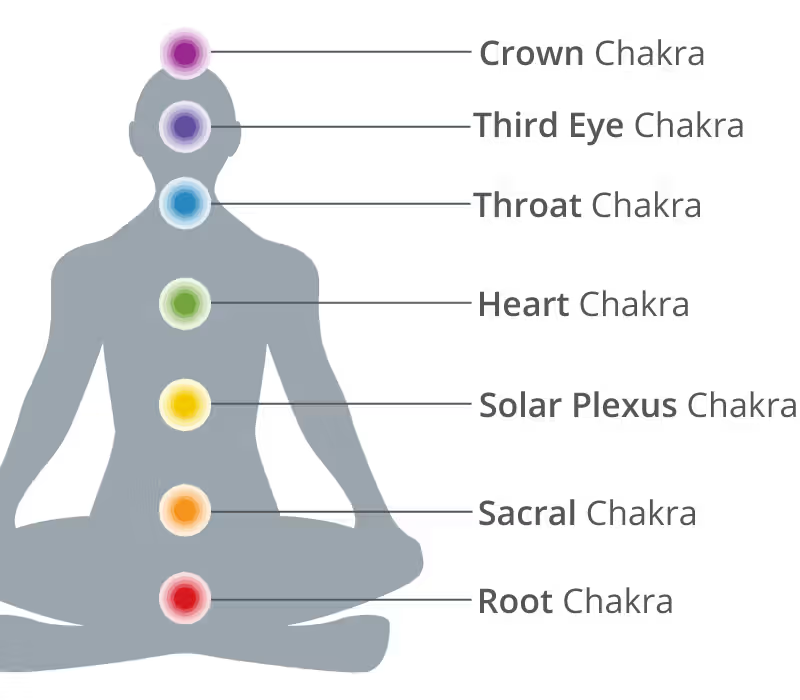
Here are the seven chakras, their associated colors, symbols, and elements:
-
Muladhara (Root Chakra) – Red color, symbolizing the lotus flower with four petals
Associated with stability, security, and grounding
Located at the base of the spine, corresponding to the plesso coccigeo -
Svadhisthana (Sacral Chakra) – Orange color, symbolizing a six-petaled lotus
Associated with pleasure, creativity, and emotional balance
Located in the sacral region, corresponding to the plesso sacrale -
Manipura (Solar Plexus Chakra) – Yellow color, symbolizing a ten-petaled lotus
Associated with personal power, self-esteem, and intuition
Located at the level of the navel, corresponding to the umbilicus -
Anahata (Heart Chakra) – Green color, symbolizing a twelve-petaled lotus
Associated with love, compassion, and emotional balance
Located in the heart center, corresponding to the plesso cardiaco -
Vishuddha (Throat Chakra) – Blue color, symbolizing a sixteen-petaled lotus
Associated with communication, self-expression, and personal truth
Located in the throat region, corresponding to the laringeo -
Ajna (Third Eye Chakra) – Indigo color, symbolizing a two-petaled lotus
Associated with intuition, insight, and higher consciousness
Located between the eyebrows, corresponding to the area of the caverns -
Sahasrara (Crown Chakra) – Violet color, symbolizing a thousand-petaled lotus
Associated with spiritual awareness, enlightenment, and connection to the divine
Located at the crown of the head, corresponding to the top of the skull
What Does It Mean to “Open” or “Activate” a Chakra?
According to Ayurvedic medicine, when a chakra is “illuminated” or “activated,” an individual has access to increased energy, both spiritual and physical. This can lead to enhanced emotional balance, improved relationships, and a deeper connection to one’s inner self.
Activation of a chakra involves the free flow of energy within that center, allowing for greater awareness, creativity, and potential. By understanding how each chakra works and its associated symbols, colors, and elements, we can begin to make conscious choices that promote balance and alignment.
Balancing and Harmonizing the Chakras
The key to optimal well-being lies in balancing and harmonizing the energy centers within our bodies. This process involves recognizing the unique characteristics of each chakra, understanding their interconnectedness, and taking steps to maintain equilibrium.
To achieve balance, it is essential to understand the roles of each chakra and how they interact with one another. For instance:
- The root chakra governs stability and grounding, while the sacral chakra influences creativity and emotional expression.
- The heart chakra plays a crucial role in love and compassion, whereas the throat chakra ensures effective communication.
By acknowledging these interconnections, we can develop strategies to maintain balance within each energy center. This may involve practices such as:
- Meditation and visualization
- Yoga and breathwork
- Sound healing and vibration therapy
- Gemstone and crystal work
Pietres et Chakras: quelques exemples
Certain gemstones are believed to resonate with specific chakras, promoting healing and balance. For example:
- The third chakra is associated with citrine quartz and pyrite.
- The first chakra is linked to rose quartz from the desert.
- The seventh chakra is connected to selenite.
The Role of Chakras in Emotional Balance
Each chakra plays a significant role in maintaining emotional balance, influencing our moods, behaviors, and overall well-being. When one or more chakras become imbalanced, it can lead to emotional turmoil, anxiety, and stress. By understanding the unique characteristics of each energy center, we can begin to address these issues and achieve greater emotional equilibrium.
Chakra Imbalances: Causes and Symptoms
Certain life events, environmental factors, and personal choices may contribute to chakra imbalances. These imbalances can manifest as physical symptoms, emotional patterns, or behavioral changes. Some common signs of a chakra imbalance include:
- Digestive problems (Muladhara)
- Emotional turmoil (Svadhisthana)
- Anxiety and self-doubt (Manipura)
- Heartbreak or feelings of isolation (Anahata)
- Communication difficulties (Vishuddha)
- Intuition or insight issues (Ajna)
- Spiritual detachment or disconnection (Sahasrara)
Conclusion
The seven chakras are intricate energy centers that play a vital role in our overall well-being. By understanding their symbolism, colors, and elements, we can begin to make conscious choices that promote balance and alignment.
Whether through meditation, yoga, or simply being aware of our surroundings, we can tap into the power of these energy centers to unlock our full potential.


