
Mastering Grapevine Pruning: Techniques and Tips for a Successful Harvest
Pruning grapes is an essential operation to ensure the correct development of your vineyard, yielding high-quality wine. Unfortunately, it’s also a delicate and complex task, as it requires more than just cutting branches and trunks; it demands careful direction towards a specific form within your own structure.
In short, pruning grapevines is a crucial step in achieving excellent wine production.
Why Prune Grapes?
Grapes are plants with multiple varieties and require proper pruning to maintain their health, favoring high-quality fruit formation. In essence, this means allowing the grapevine to withstand harsh climate conditions while ensuring a well-structured appearance, both aesthetically and quantitatively (regulating the number of productive shoots).
To clarify, pruning allows your grapevine to develop better resistance to climatic fluctuations, as well as maintain an attractive shape that’s both visually appealing and productive.
Pruning Techniques: Semplice vs. Cordone Permanente
There are two primary pruning techniques used for grapevines:
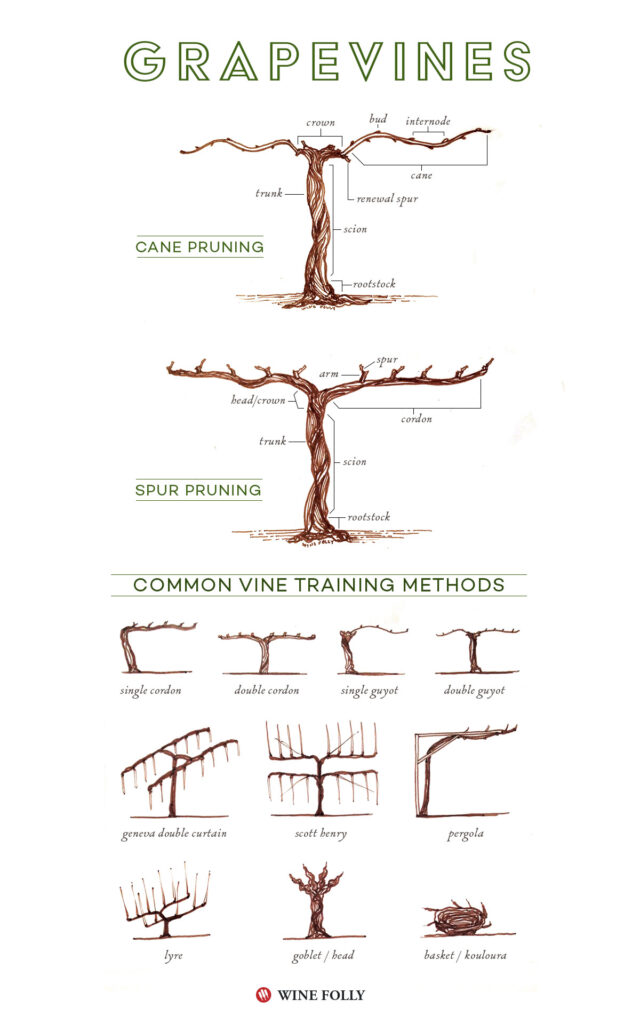
- Simple Pruning: This technique involves removing most of the branches on your vine, except for the thicker one (called the “leader”) that will provide the foundation for future fruiting.
- Perpetual Cord Pruning: This method focuses on maintaining a specific shape and structure within the existing framework.
To further illustrate this concept, let’s examine each technique in more detail:
Simple Pruning Technique
The simple pruning technique is ideal for grapevines intended for commercial production. It involves cutting back most of the branches to about one-third of their length. You’ll need to focus on preserving the strongest shoots that will support future growth.
Here are some key points to keep in mind when using this method:
- Cutting back the majority of the branches allows for new growth and increased fruiting
- Focusing on strong, healthy shoots ensures optimal productivity
- Simple pruning is typically performed during the dormant season (winter) or immediately after harvest
Perpetual Cord Pruning Technique
This technique focuses on maintaining a specific shape and structure within your existing grapevine framework. It’s particularly useful for smaller vineyards.
Here are some key considerations when using this method:
- This technique creates long, slender stems that can be shaped into the desired form
- Regular pruning helps maintain optimal fruiting levels
- Cord pruning is typically performed during the growing season (summer)
When to Prune Grapes
Pruning is usually performed at specific times of the year. The ideal time depends on your location, grape variety, and climate.
Here are some general guidelines:
- Winter Pruning: Typically takes place in late winter or early spring, when the vine is dormant. This allows you to inspect the vine’s overall health and make any necessary adjustments.
- Summer Pruning: Usually occurs during the active growing season. This helps maintain optimal fruiting levels by controlling growth and preventing over-production.
Essential Tools for Pruning
Pruning your grapevine requires specific tools to ensure precise cuts and minimize damage to the plant.
Here are some essential items you’ll need:
- Pruning Shears: Also known as loppers, these are used for cutting thicker branches.
- Hedge Clippers: Ideal for shaping smaller stems and maintaining a neat appearance.
- Gloves: Provide protection from thorns and other sharp elements.
Tips and Tricks
Mastering the art of pruning grapevines requires patience, practice, and attention to detail. Here are some expert tips to help you succeed:
- Prune your grapevine regularly to maintain optimal health and productivity.
- Consider hiring a professional if you’re unsure about any aspect of the pruning process.
- Keep accurate records of your pruning activities to track progress over time.
Pruning Strategies for Different Grape Varieties
Each grape variety has its unique characteristics, which necessitate different pruning strategies. Here are some general guidelines:
Red Wine Varieties
For red wine varieties like Cabernet Sauvignon and Merlot, it’s essential to prune the vine to maintain a balanced structure and encourage fruiting.
Here are some key considerations:
- Prune the vine to allow for good air circulation and sunlight penetration.
- Focus on preserving strong, healthy shoots that will support future growth.
- Pruning should occur during the dormant season (winter) or immediately after harvest.
White Wine Varieties
For white wine varieties like Chardonnay and Sauvignon Blanc, it’s essential to prune the vine to maintain a balanced structure and encourage fruiting.
Here are some key considerations:
- Prune the vine to allow for good air circulation and sunlight penetration.
- Focus on preserving strong, healthy shoots that will support future growth.
- Pruning should occur during the dormant season (winter) or immediately after harvest.
Hybrid Varieties
For hybrid grape varieties like Seyval Blanc and Riesling, it’s essential to prune the vine to maintain a balanced structure and encourage fruiting.
Here are some key considerations:
- Prune the vine to allow for good air circulation and sunlight penetration.
- Focus on preserving strong, healthy shoots that will support future growth.
- Pruning should occur during the dormant season (winter) or immediately after harvest.
Common Mistakes When Pruning Grapevines
Pruning grapevines is a complex task that requires attention to detail. However, common mistakes can still occur, resulting in reduced productivity and lower-quality fruit. Here are some common errors to watch out for:
- Over-pruning: Removing too many branches or shoots can lead to reduced fruiting and increased susceptibility to disease.
- Under-pruning: Failing to prune enough can result in over-production, leading to reduced quality and increased labor costs.
- Incorrect timing: Pruning at the wrong time can disrupt the vine’s natural growth cycle, resulting in reduced productivity and lower-quality fruit.
Conclusion
Pruning grapevines is an essential step in achieving high-quality wine production. By understanding the different techniques, timing, and necessary tools, you can unlock the full potential of your vineyard and harvest a bountiful crop.
FAQs:
Q: What is the ideal pruning schedule for my grapevine?
A: The best time to prune depends on your location, grape variety, and climate. Generally, winter pruning occurs in late winter or early spring, while summer pruning takes place during the active growing season.
Q: How often should I prune my grapevine?
A: Pruning frequency will vary depending on factors such as climate, soil quality, and grape variety. As a general rule, prune your grapevine every 2-3 years to maintain optimal health and productivity.
Q: What are the most common mistakes when pruning grapevines?
A: Common errors include over-pruning, under-pruning, and failing to inspect the vine’s overall health before making cuts.
Q: Can I prune my grapevine myself, or should I hire a professional?
A: If you’re unsure about any aspect of the pruning process, consider hiring a professional for guidance and support. However, if you have experience with pruning, follow best practices and take necessary precautions to ensure optimal results.


