
Introduction
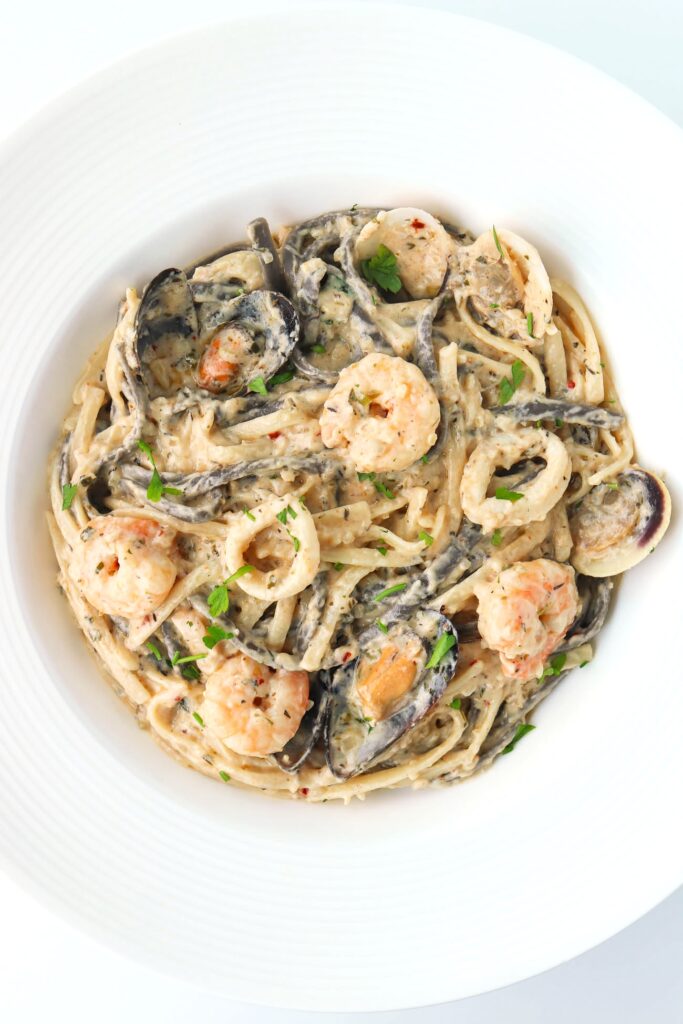
As the summer months approach, many of us are craving light and refreshing seafood dishes that can be enjoyed without the heavy weight of winter’s rich flavors. In this article, we’ll explore the art of making a white seafood sauce, also known as “sugo di mare bianco” in Italian. This versatile sauce is perfect for pasta, risotto, or even as a dip for bread, and can be easily customized to suit your taste preferences.
What is Sugo di Mare Bianco?
Sugo di mare bianco is a seafood sauce made with fresh ingredients such as mussels, clams, scallops, shrimp, and fish. Unlike traditional tomato-based sauces, this white seafood sauce relies on the natural flavors of the seafood to create a rich and savory taste experience.
The Importance of Quality Ingredients
When it comes to making a great white seafood sauce, the quality of your ingredients is paramount. Freshness matters, so be sure to choose seafood that’s been sustainably sourced and handled properly. For example, vongole (clams) and cozze (mussels) should always be shucked fresh and used within a day or two of purchase.
The Ingredients You’ll Need
To make a delicious white seafood sauce for pasta and risotto, you’ll need the following ingredients:
- 400g vongole (clams)
- 400g cozze (mussels)
- 150g seppie (cuttlefish)
- 2 calamari (squid)
- 14 mazzancolle (shrimp)
- 1 scalogno (onion)
- 1 dl vino bianco (white wine)
- Prezzemolo (parsley)
- Olio extravergine d’oliva (extra virgin olive oil)
- Sale
Preparing the Seafood
Before you can start cooking your white seafood sauce, you’ll need to prepare your seafood. This includes:
- Shucking the clams: If your clams are not already shucked, rinse them under cold water and remove the shells.
- Pulishing the mussels: Rinse the mussels under cold water and remove any broken or open shells.
- Cutting the seppie: Cut the cuttlefish into small pieces and remove any internal organs.
Cooking the White Seafood Sauce
To make your white seafood sauce, you’ll need to cook your seafood ingredients in a flavorful broth. Here’s how:
- In a large casserole, combine the prepared seafood ingredients, including the clams, mussels, seppie, calamari, and shrimp.
- Add 4-5 cloves of garlic, minced, and 2 sprigs of fresh parsley to the pot.
- Pour in the white wine and bring the mixture to a boil.
- Reduce the heat to medium-low and simmer for about 10 minutes, or until the seafood is cooked through.
Adding Flavor and Texture
As your seafood sauce simmers, you can add some extra flavor and texture to enhance its overall taste experience. Here are a few ideas:
- Add some acidity: A squeeze of fresh lemon juice can help balance out the richness of the seafood.
- Add some heat: If you like spicy food, you can add a pinch of red pepper flakes or sliced jalapeños to give your sauce an extra kick.
Serving and Pairing
Once your white seafood sauce is ready, it’s time to serve it up! Here are some ideas for pairing your sauce with pasta and risotto:
- Spaghetti: This classic combination is a staple of Italian cuisine. Simply toss cooked spaghetti with the white seafood sauce and top with grated Parmesan cheese.
- Risotto: A creamy risotto is the perfect match for this flavorful sauce. Try adding some Arborio rice to your pot along with the seafood ingredients, then stir in some grated Parmesan cheese at the end.
Frequently Asked Questions
Here are some answers to common questions about making a white seafood sauce:
Q: Can I use canned seafood instead of fresh?
A: While canned seafood can be convenient, it’s not always the best option for this recipe. Fresh seafood will give you a more vibrant and flavorful taste experience.
Q: How do I keep my seafood from becoming tough or rubbery?
A: To avoid tough or rubbery seafood, make sure to cook it at the right temperature and don’t overcook it. You can also try adding some acidity or sweetness to balance out its flavor.
Q: Can I customize this recipe with different types of seafood?
A: Absolutely! Feel free to experiment with different types of seafood to create a unique flavor profile that suits your taste preferences.
Q: Is white seafood sauce suitable for vegetarians and vegans?
A: Unfortunately, no. This recipe contains meat and fish, making it unsuitable for vegetarians and vegans.
Q: Can I make this recipe ahead of time?
A: While you can prepare the seafood ingredients ahead of time, it’s best to assemble and cook the sauce just before serving.
Q: How do I store leftover white seafood sauce?
A: Leftover sauce can be refrigerated for up to 3 days or frozen for up to 2 months. Simply reheat it when needed and serve over pasta, risotto, or use as a dip.
Tips and Variations
Here are some additional tips and variations to help you create the perfect white seafood sauce:
- Use different types of wine: Instead of using regular white wine, try using a dry Riesling or Pinot Grigio for added complexity.
- Add some aromatics: Onions, garlic, and lemon zest can add depth and brightness to your seafood sauce.
- Experiment with spices: A pinch of paprika or cayenne pepper can add a nice warmth to your dish.
Conclusion
Making a white seafood sauce is an art that requires patience, attention to detail, and a willingness to experiment. By following this recipe and tips, you’ll be able to create a delicious and versatile sauce that’s perfect for pasta, risotto, or even as a dip for bread. So go ahead, get creative, and enjoy the flavors of the sea!


