
As we sit back and relax with a refreshing beer, it’s hard not to appreciate the intricate process that goes into crafting the perfect brew. And at the heart of it all is the humble hop – a tiny flower that packs a big punch when it comes to adding depth, complexity, and a hint of bitterness to our beloved beers.
But have you ever stopped to think about where hops come from? How are they grown, harvested, and processed into the final product we enjoy? In this article, we’ll delve into the world of hop cultivation, exploring everything from why hops are so essential to beer production to the nitty-gritty details of growing, harvesting, and preserving these tiny flowers.
What is Hops Used For?
Hops have been a staple in beer brewing for centuries, serving more than just as a flavorful addition. The unique properties of hop cones – which contain resins, oils, and acids that give hops their characteristic bitterness – make them an excellent natural preservative. In fact, hops can even be used to create medicinal remedies, thanks to their antibacterial and antifungal properties.
As we explore the world of hop cultivation, it’s clear that this small flower has a big impact on the beer industry. From balancing out the sweetness of malts to providing a unique flavor profile, hops are an essential ingredient in any respectable brew.
Why Hops Are So Essential to Beer Production
So why do hops play such a crucial role in beer production? Here are just a few reasons:
- Balancing out sweetness: Hops have a natural bitterness that balances out the sweetness of malts, preventing the beer from becoming too cloying.
- Providing flavor complexity: With over 100 different hop varieties to choose from, brewers can select specific hops to add unique flavors and aromas to their beers. From citrusy and tropical to earthy and spicy, there’s a hop variety that will complement any brewing style.
- Adding preservative properties: The resins and oils in hops have antibacterial and antifungal properties, making them an effective natural preservative for beer.
Growing Hops in Your Garden
So, how do you get started with growing your own hops? It all begins with finding the right location for your hop garden. As it turns out, hops need plenty of sunlight – at least 6-8 hours a day – to thrive. So, take some time to monitor your garden’s exposure to direct sunlight and plan accordingly.
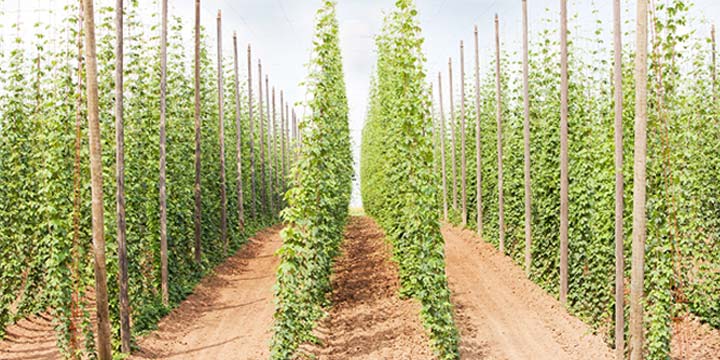
But that’s not all; hops are also a type of climbing plant that needs support as they grow. Think tralicci, bamboo poles, or even just a sturdy trellis. The key is to provide enough space for the vines to climb without compromising their growth.
Planting Hops
When it comes to planting your hop rizoma (a small piece of hop root that will sprout into new growth), you’ll want to choose a spot with well-draining soil and plenty of nutrients. Plant the rizoma at a depth of about 4 inches, making sure the “eyes” (where the roots grow) are facing upwards.
As your hop plants grow, they’ll need some support to climb up. This can be achieved using materials like twine, wire, or even a trellis system. The goal is to create an environment that allows for maximum sunlight exposure while also providing stability for the vines.
Harvesting Hops
When it comes to harvesting hops, timing is everything. Look for mature cones that are dry and aromatic, with a bright yellow color that’s reminiscent of a freshly picked lemon. Avoid picking those that are too green or mushy, as they won’t yield the best flavor.
Check every individual cone carefully, as some may be ready before others. Once you’ve gathered all your ripe hops, it’s time to dry them further – either by air-drying or using a ventilator with low heat settings. The goal is to preserve those precious cones for future brewing sessions.
Preserving Hops
After harvesting, your dried hop cones are ready to be stored in the freezer or else they would spoil quickly. When storing in the freezer you can store them in plastic bags and label the bag with the date it was harvested. You can also compress the cone using a hand press, then freeze them in small packages.
As we wrap up our journey into the world of hop cultivation, it’s clear that these tiny flowers have big potential for craft brewers and homebrewers alike. By mastering the art of growing, harvesting, and preserving hops, you’ll unlock new levels of flavor and complexity in your beers – and enjoy the satisfaction of knowing exactly where those flavors came from.
Frequently Asked Questions:
- Why are hops so essential to beer production?
Hops play a crucial role in balancing out the sweetness of malts, adding bitterness, and providing unique flavor profiles that make each beer distinct. - How do I know when my hop cones are ready for harvesting?
Look for dry, aromatic cones with a bright yellow color – avoid those that are too green or mushy. - What’s the best way to store dried hops in the freezer?
Label your bags with the date they were harvested and compress them using a hand press before freezing for optimal storage. - Can I use fresh hop cones in my beer recipes?
Yes, but be aware that they can introduce unwanted bitterness or flavor compounds into your brew. - How do I choose the right variety of hops for my recipe?
Experiment with different hop varieties to find the ones that complement your chosen malts and brewing style.
We hope this article has given you a deeper understanding of the fascinating world of hop cultivation, from its importance in beer production to the intricate details involved in growing, harvesting, and preserving these tiny flowers. Happy brewing!


