
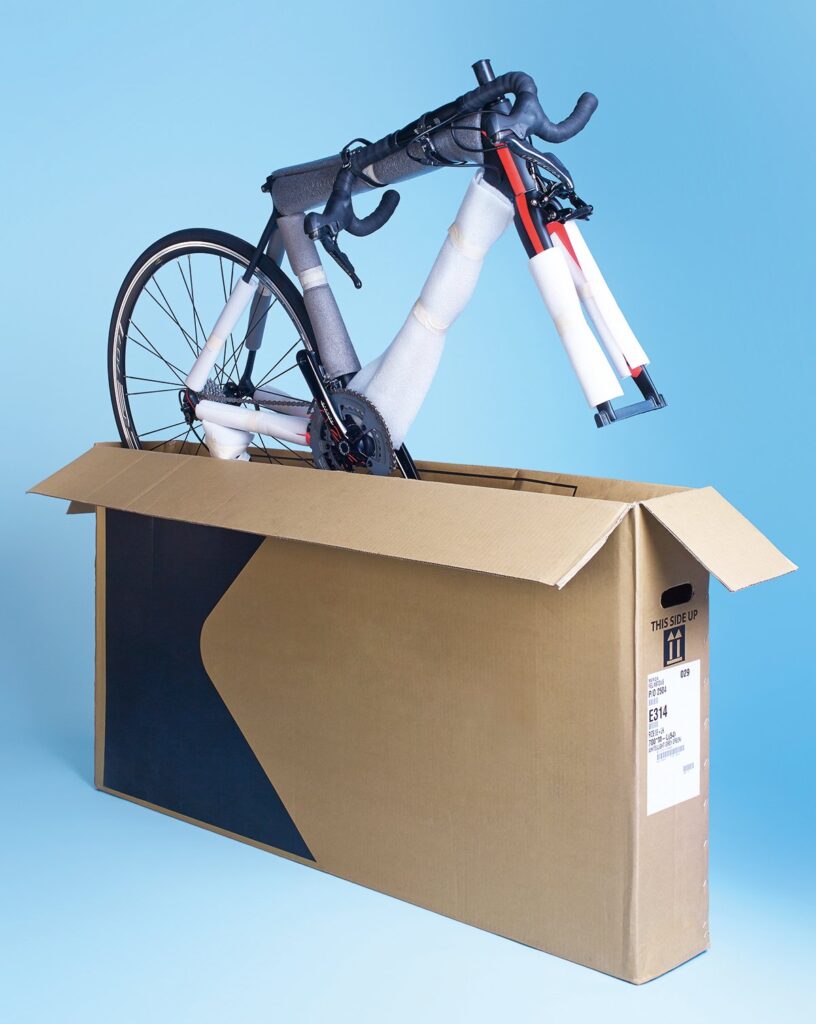
Packing a bike for transportation is not an easy task, but with the right guidance, you can ensure your precious bike arrives safely at its destination. In this article, we’ll cover everything you need to know about packing a bike, from preparing it for shipping to protecting it during transit.
The Challenges of Shipping a Bike
Shipping a bike can be a daunting task, especially if you’re new to transporting bicycles. There are many factors to consider, including the weight and size of the bike, the type of packaging materials needed, and the potential risks associated with damage or theft. As a bike owner, it’s essential to take steps to protect your investment and ensure it arrives safely at its destination.
The Importance of Proper Packaging
Proper packaging is crucial when shipping a bike. The goal is to make the bike as compact as possible while protecting it from damage during transit. This involves using specialized materials, such as polystyrene foam or plastic inserts, to cushion the bike and prevent movement.
Preparation is Key
Before you start packing your bike, there are several steps you need to take:
- Disassemble the Bike: Remove any removable components, such as the handlebars, seatpost, and pedals.
- Clean and Inspect the Bike: Make sure the bike is clean and free of debris, which could cause damage during shipping.
- Choose the Right Packaging Materials: Select materials that are specifically designed for packing bikes, such as polystyrene foam or plastic inserts.
Packing Strategies
There are several strategies to consider when packing a bike:
- Position Fragile Components: Place sensitive components, such as the handlebars and seatpost, at the center of the packaging material.
- Use Delicate Materials: Use materials that are gentle on the bike’s frame and components, such as plastic foam or bubble wrap.
- Secure Components: Make sure all components are securely fastened to prevent movement during transit.
Packing the Bike
Once you’ve prepared your bike and chosen the right packaging materials, it’s time to start packing:
- Wrap the Frame: Use a protective wrapping material, such as plastic film or paper, to cover the frame.
- Add Cushioning: Add foam inserts or other cushioning materials to protect the bike from shocks and bumps.
- Close the Packaging: Close the packaging material securely to prevent damage during transit.
Additional Tips
Here are a few additional tips to keep in mind when packing a bike:
- Use a Sturdy Box: Use a sturdy box that is specifically designed for shipping bikes.
- Label the Package: Clearly label the package with the recipient’s address and any relevant handling instructions.
- Consider Additional Insurance: Consider purchasing additional insurance coverage for your bike in case it’s lost, stolen, or damaged during transit.
Common Mistakes to Avoid
When packing a bike, there are several common mistakes to avoid:
- Insufficient Cushioning: Failing to provide sufficient cushioning can result in damage to the bike’s frame and components.
- Incorrect Packaging Material: Using the wrong packaging material can damage the bike or cause it to shift during transit.
- Overpacking: Overpacking can put unnecessary stress on the bike’s frame and components, leading to damage.
Frequently Asked Questions
Here are a few frequently asked questions about packing a bike:
Q: How do I pack a road bike for shipping?
A: To pack a road bike, disassemble it by removing the handlebars, seatpost, and pedals. Use a sturdy box and protective wrapping material to cover the frame.
Q: Can I use my own packaging materials when shipping a bike?
A: It’s generally recommended to use specialized packaging materials designed specifically for bikes. These materials are designed to provide maximum protection during transit.
Q: How long does it take to pack a bike for shipping?
A: The time it takes to pack a bike will depend on the complexity of the bike and the amount of packing material needed. On average, it can take anywhere from 30 minutes to several hours to pack a bike.
Q: Can I ship my bike directly to its destination without using a packaging box?
A: While it’s possible to ship your bike directly to its destination without using a packaging box, this is not recommended. The bike may be damaged during transit, and you won’t have the same level of protection as with specialized packaging materials.
Q: How do I protect my bike from damage during shipping?
A: To protect your bike from damage during shipping, use a sturdy box, protective wrapping material, and secure all components to prevent movement. Consider adding additional insurance coverage for extra peace of mind.
Packing Options
There are several packing options available when shipping a bike:
- Standard Shipping: This is the most common method of shipping a bike, using a standard shipping box or package.
- Freight Shipping: This option provides more protection for the bike, using a reinforced box and additional cushioning materials.
- Insured Shipping: This option provides an additional layer of security, with insurance coverage in case the bike is lost, stolen, or damaged during transit.
Specialized Bike Packing Materials
There are several specialized packing materials available when shipping a bike:
- Polystyrene Foam Inserts: These inserts provide maximum protection for the bike’s frame and components.
- Plastic Foam Inserts: These inserts offer a durable and flexible solution for protecting the bike during transit.
- Bubble Wrap: This material provides additional cushioning and protection for sensitive components.
Packing Tips
Here are a few packing tips to keep in mind when shipping a bike:
- Pack the Bike in a Box: Use a sturdy box that is specifically designed for shipping bikes.
- Use Protective Wrapping Material: Use protective wrapping material, such as plastic film or paper, to cover the frame and components.
- Add Cushioning Materials: Add foam inserts or other cushioning materials to protect the bike from shocks and bumps.
Shipping a Bike: What to Expect
When shipping a bike, there are several things you should expect:
- Handling Carefully: Your bike will be handled carefully by shipping staff, who will ensure it is placed in a secure position during transit.
- Monitoring Progress: You can monitor the progress of your shipment online or through email updates from the shipping carrier.
- Insurance Coverage: Most shipping carriers provide insurance coverage for lost, stolen, or damaged bikes.
Tips for Returning a Bike
If you need to return a bike after it has been shipped, there are several tips to keep in mind:
- Track Your Shipment: Keep track of your shipment and ensure that the tracking information is up-to-date.
- Contact the Shipping Carrier: Contact the shipping carrier immediately if you have any issues with your return.
- Return to Sender: Return the bike to the sender, who will provide further instructions on how to proceed.
Conclusion
Packing a bike for transportation can be a daunting task, but with the right guidance and preparation, you can ensure your precious bike arrives safely at its destination. By following these tips and using specialized packing materials, you can protect your investment and ensure a smooth shipping process.


