
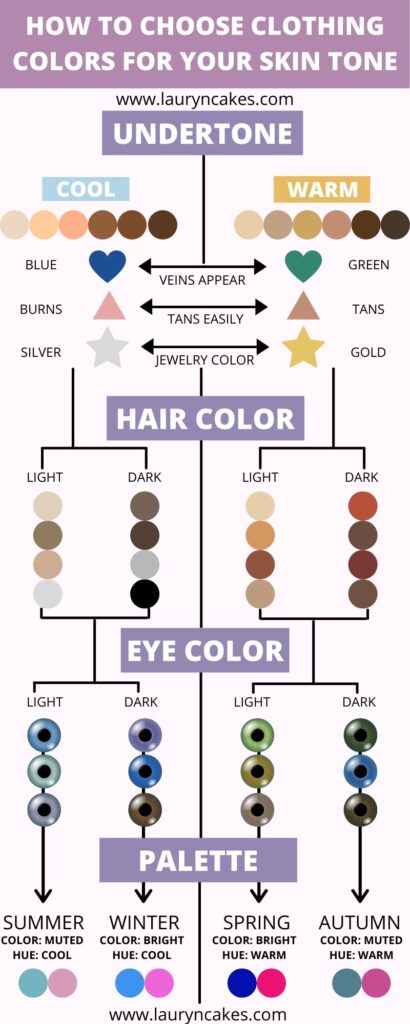
When it comes to choosing colors that suit you, it’s not just about following trends or personal preferences. It’s also about understanding your skin tone, hair color, and eye color, as well as the overall vibe you want to give off. In this article, we’ll explore the importance of selecting colors that complement your unique features and create a harmonious look.
Understanding Your Skin Tone
Your skin tone is the foundation upon which all other colors are built. It’s essential to determine whether your skin has a cool or warm undertone, as this will significantly impact the colors you can pull off. Cool skin tones have pink or purple undertones, while warm skin tones have yellow or golden undertones.
The Sottotono: Uncovering Your Hidden Tonal
Before selecting specific colors, it’s crucial to identify your sottotono – the underlying tone that influences how colors appear on you. If your sottotono is cool, you’ll tend towards blue-based colors like grays, blues, and purples. On the other hand, if your sottotono is warm, you’ll lean towards yellow-based colors like golds, oranges, and yellows.
Finding Your Sottotono: Techniques to Try
Here are three methods to help you determine your sottotono:
- Natural Light Test: Stand in front of a mirror with natural light and observe how different colors look on you.
- Vene Test: Look at the color of your veins. If they appear blue, you have a cool sottotono. If they appear green, you have a warm sottotono.
- Face Color Analysis: Examine the natural color of your face, including the skin tone, eye color, and hair color. This will give you an idea of whether you have a cool or warm sottotono.
The Importance of Harmonious Colors
Once you’ve identified your sottotono, it’s time to select colors that complement your unique features. The key is to create harmony between the colors you wear and your overall appearance. A harmonious look will make you feel more confident and stylish.
Color Trends: What’s Hot and What’s Not
From season to season, color trends come and go. However, it’s essential to remember that personal style is about expressing yourself and feeling comfortable in what you wear. Don’t be afraid to experiment with different colors and find what works best for you.
Communicating Through Color
When it comes to choosing colors, think about the message you want to convey. Different colors can evoke distinct emotions and attitudes. For example:
- Red is associated with passion, energy, and confidence.
- Blue is often linked to trust, calmness, and serenity.
- Green represents growth, harmony, and balance.
Frequently Asked Questions
Q: How do I determine my sottotono?
A: You can try the natural light test, vene test, or face color analysis to identify your sottotono.
Q: What colors are suitable for a cool skin tone?
A: Cool skin tones look great in blue-based colors like grays, blues, and purples. Warm colors like oranges and yellows may clash with these tones.
Q: How can I make my wardrobe more harmonious?
A: Experiment with different color combinations to find what works best for you. Consider your sottotono, skin tone, hair color, and personal preferences when selecting colors.
Q: Can I pull off bold or bright colors if I have a cool sottotono?
A: While it may be more challenging, you can still wear bold or bright colors that complement your sottotono. Experiment with different shades and tones to find what works best for you.
Q: How does the color of my clothes affect how others perceive me?
A: The color of your clothes can influence how others perceive you, especially in professional settings. However, personal style is about expressing yourself and feeling confident in what you wear.
Q: Can I wear neutral colors if I have a cool sottotono?
A: Yes, you can still wear neutral colors that complement your sottotono. Neutral colors like beige, gray, or navy blue can provide a versatile backdrop for your wardrobe.
By understanding your skin tone, sottotono, and personal style, you’ll be well on your way to unlocking the secrets of choosing the right colors.


